Introduction
Group motorcycle touring has a unique energy. Riding with friends across long highways, mountain passes, or winding rural roads creates a shared experience that many riders return to year after year. But coordinating multiple motorcycles on long-distance rides can quickly become complicated without reliable communication.
Riders in a group often face common challenges. One rider may need fuel sooner than expected. Another might notice road debris or a sudden change in traffic conditions. Sometimes a group simply needs to coordinate a stop, confirm directions, or check that everyone is comfortable continuing the ride.
Without a communication system, these situations usually rely on hand signals, guesswork, or pulling over frequently to regroup. Over the course of a long touring day, that lack of communication can slow the ride down and introduce unnecessary frustration.
This is why many experienced touring riders use motorcycle communication systems for group riding. These devices allow riders to speak with one another while riding, share navigation updates, warn about hazards, and coordinate stops without leaving the road.
When used properly, communication systems improve not only convenience but also safety and overall group ride experience.
Why Communication Becomes Difficult During Group Motorcycle Touring
Long-distance group rides introduce challenges that solo riders rarely experience. Even small coordination issues can multiply when several motorcycles are traveling together.
Distance Between Riders
During touring rides, riders often spread out across the road. Some prefer larger following distances for safety, while others ride at slightly different speeds.
Over time, this spacing makes communication nearly impossible without electronic assistance.
Traffic and Environmental Noise
Motorcycles generate significant wind and engine noise. At highway speeds, even riders close to one another cannot easily shout instructions or warnings.
Helmets also limit verbal communication, making traditional conversation impossible while riding.
Route Coordination
On long tours, riders often need to make quick decisions about:
-
fuel stops
-
navigation changes
-
rest breaks
-
weather adjustments
Without communication tools, the group must rely on signals or pull off the road to discuss plans.
Safety Situations
Communication can also help in safety situations.
For example, one rider might spot:
-
debris on the road
-
sudden traffic congestion
-
wildlife crossing
-
hazardous weather
Being able to warn the rest of the group instantly helps everyone react more quickly.
Practical Ways Riders Use Communication Systems During Touring
Motorcycle communication systems serve several practical purposes during long-distance rides.
Coordinating Stops and Breaks
During long tours, riders may stop every hour or two for fuel, food, or stretching. Communication systems allow the group leader to announce these stops clearly.
Instead of guessing or relying on hand signals, riders can simply speak to the group and confirm plans.
Sharing Navigation Updates
Navigation is one of the most common reasons riders use communication systems.
A rider leading the route can notify the group about:
-
upcoming turns
-
route changes
-
construction detours
-
scenic stops
This prevents riders from getting separated or missing important turns.
Warning About Road Hazards
Motorcycle riders must constantly watch for road hazards.
A communication system allows riders to quickly alert the group about:
-
gravel patches
-
potholes
-
sudden traffic slowdowns
-
animals on the road
Early warnings give riders more time to react safely.
Staying Connected During Long Rides
Long days on the road can be mentally tiring. Communication systems allow riders to talk casually, check on each other, or simply share observations about the ride.
Many riders find that occasional conversation helps maintain focus and reduce fatigue during extended trips.
Gear and Tools That Make Communication Possible
Modern touring riders use several types of communication equipment to stay connected during rides.
These tools are typically designed to work with full-face or modular helmets and operate reliably at highway speeds.
Helmet Communication Systems
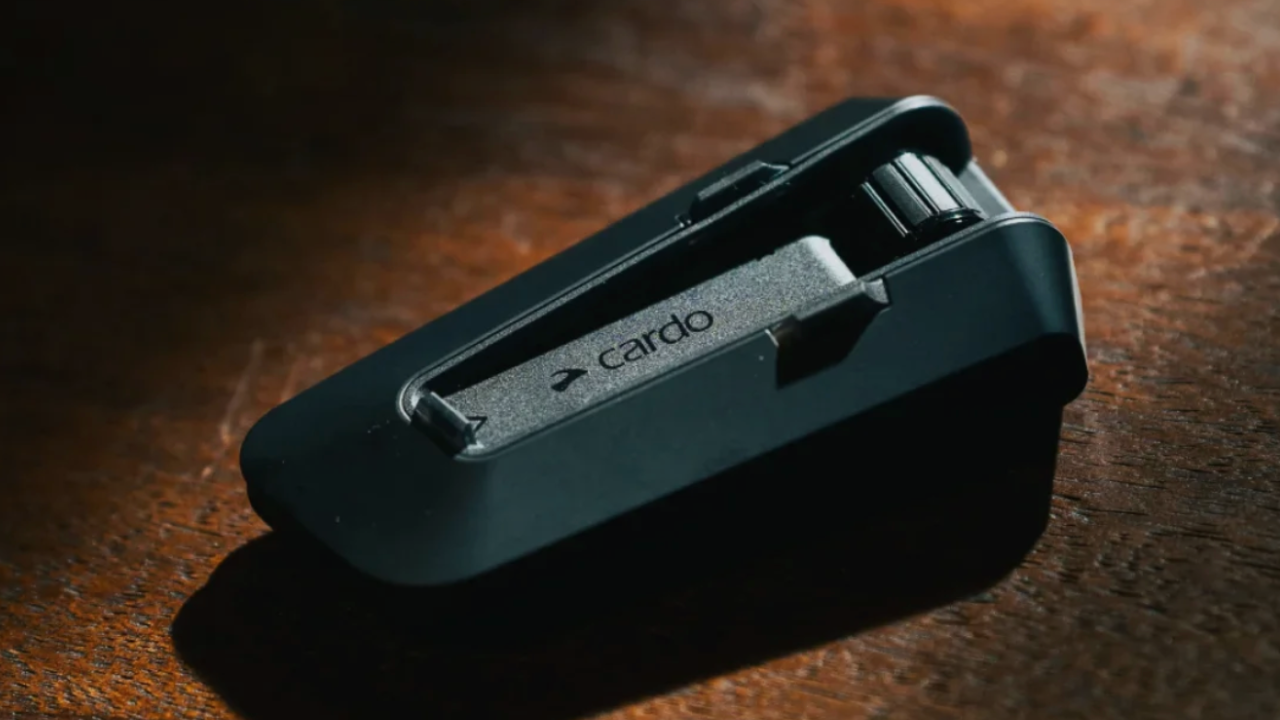
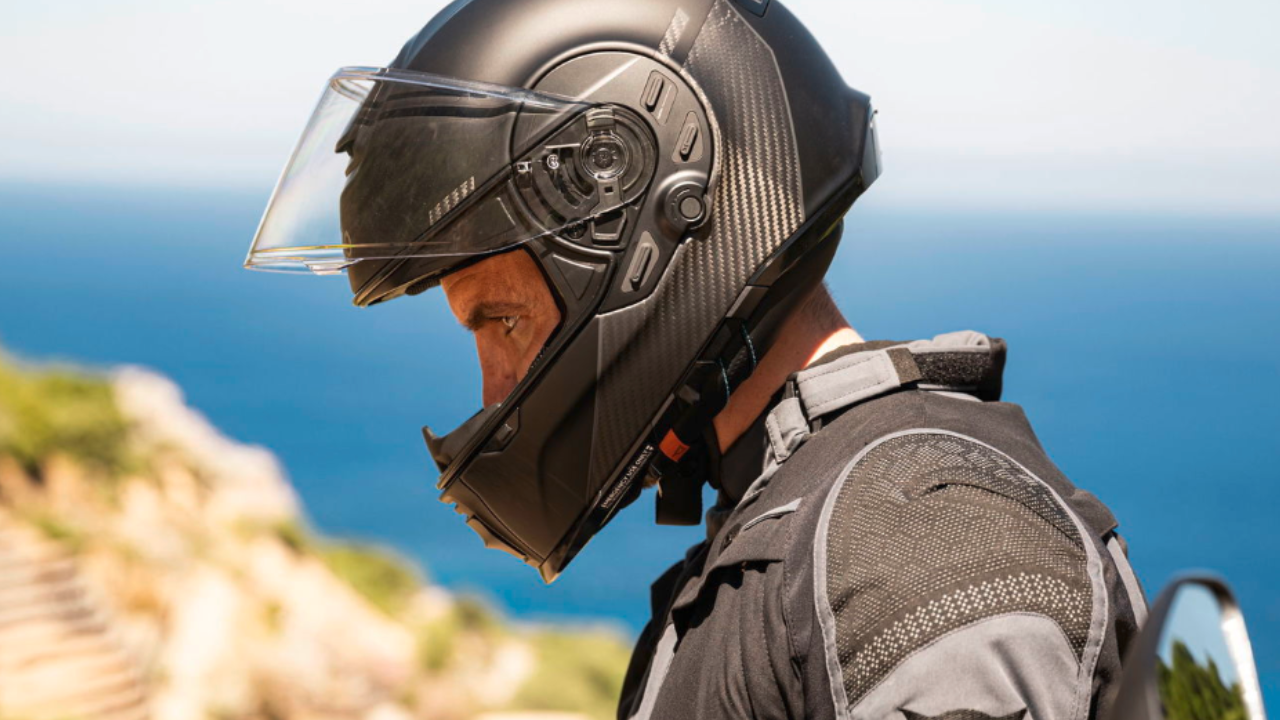
Helmet communication units mount to the side of a helmet and connect to internal speakers and microphones.
These systems allow riders to:
-
speak with other riders
-
listen to navigation instructions
-
hear phone calls
-
share music with passengers
Many riders exploring communication systems research equipment from companies such as Cardo Systems, which produces helmet-based communication devices designed specifically for motorcycle use.
Helmet systems are widely used for both group touring and rider-passenger communication.
Mesh Communication Technology
Some modern communication devices use mesh networking technology.
Instead of connecting riders in a single chain, mesh networks allow multiple riders to connect dynamically. If one rider leaves the group or drops connection temporarily, the system automatically reconnects when they return to range.
This type of technology is especially useful during larger touring rides.
Bluetooth Communication
Bluetooth communication remains common for smaller groups or rider-passenger setups.
Bluetooth systems allow connections between a few riders at once and often integrate with:
-
smartphones
-
GPS devices
-
music players
These systems provide a straightforward way to stay connected without complicated setup.
Navigation Integration
Many touring riders connect communication systems with navigation apps or GPS units.
This allows riders to hear spoken directions directly inside their helmet while continuing to communicate with other riders.
For long touring days covering unfamiliar roads, this feature helps riders maintain focus on the road rather than constantly checking navigation screens.
Advice From Experienced Touring Riders
Communication systems are powerful tools, but experienced riders recommend using them thoughtfully.
Keep Conversations Short
During complex riding situations such as heavy traffic or tight curves, riders should keep communication brief.
Short, clear messages work best:
-
“Fuel stop in 10 miles.”
-
“Gravel on the right lane.”
-
“Slow traffic ahead.”
This ensures the system improves safety rather than distracting riders.
Establish Basic Group Ride Signals
Even with communication systems, many groups establish basic ride signals and expectations before the trip begins.
For example:
-
how the group signals fuel stops
-
how riders communicate when they need a break
-
who leads the ride
Clear expectations reduce confusion once the ride begins.
Test Communication Gear Before Long Trips
Communication equipment should always be tested before a multi-day tour.
Riders should confirm:
-
speaker placement
-
microphone clarity
-
connection range
-
battery life
Testing equipment on shorter rides helps prevent technical issues during longer trips.
Frequently Asked Questions
Are motorcycle communication systems worth it for touring?
Many riders find that communication systems significantly improve group ride coordination. They allow riders to share information quickly, making long tours smoother and more organized.
Can riders communicate at highway speeds?
Yes. Modern helmet communication systems are designed to function at highway speeds and use noise reduction technology to improve voice clarity.
Do all riders need the same system?
Not always, but compatibility can make communication easier. Some systems connect across brands, while others work best within the same product ecosystem.
Do communication systems distract riders?
When used responsibly, most riders find the opposite is true. Communication helps riders share important information quickly and reduces the need for sudden stops or confusion.
Related Touring Tools and Equipment
Communication systems are just one part of a well-prepared touring setup.
Riders planning extended trips often explore additional equipment categories, including:
-
touring luggage systems for multi-day travel
-
ergonomic grips and comfort accessories
-
auxiliary lighting for improved visibility
-
battery chargers and power maintenance tools
-
touring jackets and protective riding gear
Exploring these equipment categories can help riders create a touring setup that supports long days on the road.
Conclusion
Group motorcycle touring offers a unique experience, but it also requires coordination. Without reliable communication, even simple ride decisions can become complicated once several motorcycles are on the road.
Motorcycle communication systems provide a practical solution. They allow riders to share navigation updates, warn about hazards, coordinate stops, and stay connected throughout the ride.
For many touring groups, communication systems quickly become one of the most useful tools in their riding setup.
By improving coordination, safety, and overall group awareness, these systems help riders focus on what matters most during long-distance touring: enjoying the road, the journey, and the shared experience of riding together.