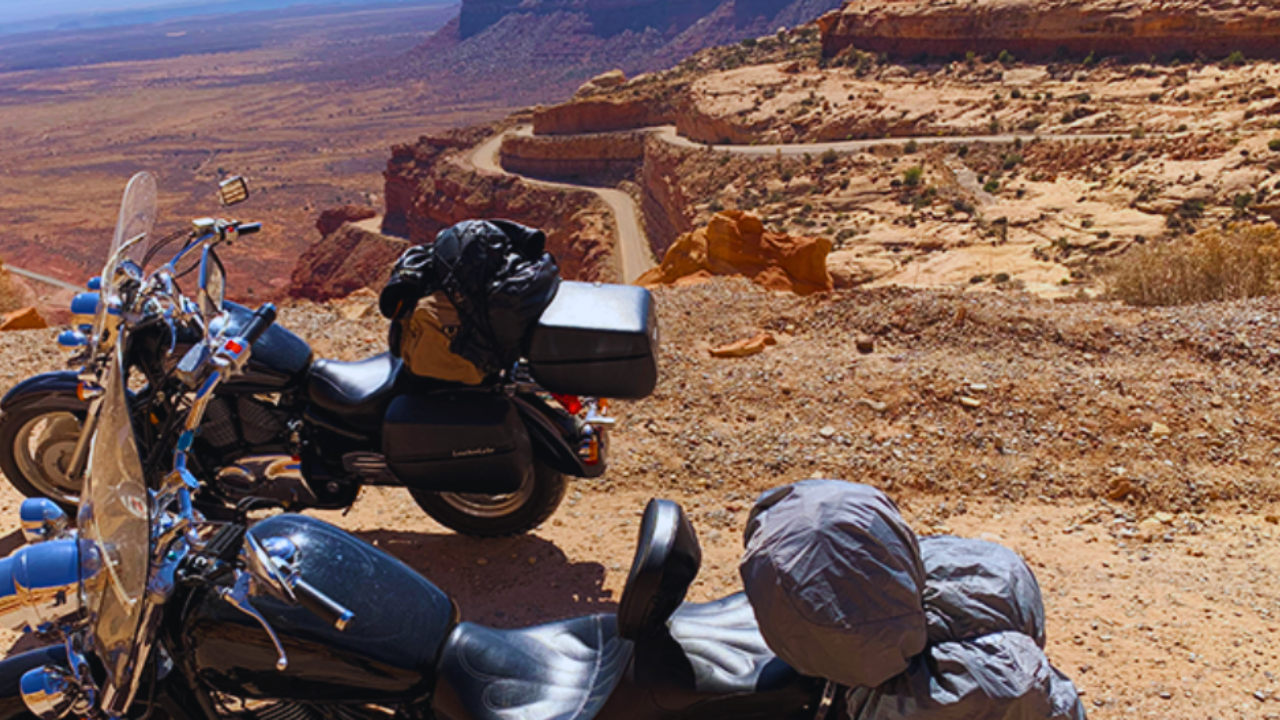
Long-distance motorcycle trips are some of the most rewarding experiences a rider can have. There’s nothing quite like the freedom of the open road, the changing scenery, and the sense of adventure that comes with covering hundreds — or even thousands — of miles on two wheels. But with that freedom comes responsibility. Proper planning, the right gear, and a focus on rider comfort and safety are essential for making the journey enjoyable and stress-free.
In this guide, we’ll walk through strategies for planning long-distance motorcycle trips, highlight practical equipment and comfort upgrades, and show you how to prepare for unexpected challenges.
Why Planning Matters for Long-Distance Motorcycle Tours
A well-planned trip reduces stress, prevents fatigue, and keeps you safe on the road. Without preparation, even seasoned riders can encounter problems that derail an otherwise perfect journey. Key considerations include:
-
Route selection: Choosing roads that match your comfort and skill level, including scenic routes, highways, and backroads.
-
Riding duration and breaks: Determining daily mileage goals and planning stops to manage fatigue.
-
Gear selection: Ensuring you have clothing, luggage, and comfort accessories suited for long rides.
-
Bike preparation: Servicing your motorcycle, checking tires, brakes, and battery health, and installing touring-specific upgrades.
Planning isn’t just about logistics — it’s about anticipating challenges and having solutions ready before you hit the road.
Essential Gear for Long-Distance Riding
When packing for a long trip, your gear makes a huge difference in both comfort and safety. Experienced riders focus on tools and equipment that reduce fatigue, improve visibility, and keep the ride smooth.
Comfort Upgrades
Long hours in the saddle can strain your back, wrists, and shoulders. Consider:
-
Seats and Cushions: Upgrading to a touring-focused seat from Twisted Throttle can dramatically reduce pressure points and vibration. Gel inserts and ergonomic designs keep your posture supported over extended miles.
-
Vibration-Dampening Accessories: Handlebar weights, footpegs, and suspension adjustments help prevent hand and foot fatigue.
-
Heated Gear: Heated grips or gloves from Twisted Throttle keep your hands warm and responsive, particularly in colder climates or early mornings.
Luggage and Load Management
How you carry your gear impacts stability and comfort:
-
Viking Bags offers luggage systems designed for touring. Saddlebags, tank bags, and tail packs distribute weight evenly, keeping your bike balanced and your gear accessible.
-
Packing Techniques: Place heavier items low and toward the center, keeping frequently used items within easy reach. This prevents constant shifting that can fatigue your muscles and affect handling.
Safety and Visibility
Riding safely involves making yourself visible and being prepared for emergencies:
-
Lighting Upgrades: Auxiliary lights from DENALI Electronics enhance your visibility, illuminating curves and obstacles in low-light or nighttime conditions.
-
Reflective Gear: Alpinestars Road Collection jackets include reflective panels that increase your profile to other drivers without adding bulk.
-
Emergency Tools: A Projecta battery charger ensures you can keep lights, heated gear, or electronic devices powered during multi-day trips.
Communication and Navigation
Staying connected with riding partners or navigation tools improves safety:
-
Cardo Systems lets riders communicate within a group, share warnings about hazards, and receive turn-by-turn directions hands-free.
-
GPS Navigation: Modern systems help you plan routes in advance and adjust on the fly without needing to stop frequently.
Route Planning and Daily Itinerary
Even if you have your gear and bike ready, planning your route is just as critical. Long-distance trips require a balance of daily mileage, rest stops, and accommodations.
-
Mileage Goals: Most riders aim for 250–350 miles per day to avoid over-fatigue. Adjust based on road conditions, weather, and terrain.
-
Breaks: Stop every 60–90 minutes to stretch, hydrate, and check your bike. Long rides are as much about maintaining alertness as covering distance.
-
Scenic Detours: While it’s tempting to take shortcuts, scenic routes offer opportunities to rest and enjoy the journey, which keeps morale high.
Tools like GPS units integrated with Cardo Systems allow you to monitor both the planned route and real-time traffic conditions, ensuring a smoother journey.
Maintaining Your Bike for Long Tours
Your motorcycle’s condition directly affects comfort, safety, and reliability:
-
Battery and Electrical Checks: Products like Projecta chargers ensure auxiliary lights, heated grips, and communication devices stay powered.
-
Tires and Brakes: Inspect for wear and replace before hitting the road. Proper tire pressure and brake function prevent accidents and improve handling.
-
Fluids and Suspension: Oil changes, coolant levels, and suspension tuning improve ride comfort and prevent mechanical issues.
-
Load Management: Verify that luggage is securely attached using systems like Viking Bags, reducing the chance of imbalance or shifting during cornering.
Regular maintenance reduces stress and lets you focus on enjoying the ride.
Safety Tips from Experienced Touring Riders
Long-distance tours involve both predictable and unexpected challenges. Here’s advice from seasoned riders:
-
Ride within your limits: Know your skill level and comfort zone. Night riding, inclement weather, or unfamiliar roads require extra caution.
-
Use the buddy system: When traveling in groups, maintain communication via Cardo Systems. It helps coordinate stops, handle emergencies, and ensures no one gets left behind.
-
Stay visible: Combine DENALI Electronics lighting with reflective gear for maximum exposure.
-
Hydrate and fuel: Your energy and concentration are just as important as your bike’s performance.
-
Pre-trip gear test: Try all upgrades — seats, luggage placement, heated grips, or new apparel — on shorter rides before committing to long distances.
Real-World Application: A Multi-Day Cross-Country Ride
Picture a six-day ride from Los Angeles to Seattle. You’ll cover varied terrain, including highways, mountain passes, and coastal roads. Here’s how a well-planned setup improves the experience:
-
Day 1: Depart with Viking Bags packed strategically. Twisted Throttle seat reduces lower back fatigue, and Alpinestars apparel keeps you comfortable in changing temperatures.
-
Day 2: Encounter early-morning chill. Heated grips from Twisted Throttle keep hands warm while Cardo communication ensures the group stays coordinated.
-
Day 3: Ride through foggy mountain passes. DENALI auxiliary lights improve visibility, while reflective gear enhances safety.
-
Day 4–6: Long highway stretches. Projecta battery charger maintains power for electronics and heated gear, keeping comfort consistent.
By the end of the trip, fatigue is minimized, visibility is optimized, and you arrive at each stop confident and ready for the next leg.
Frequently Asked Questions
Q: How much luggage is too much?
A: Use a system like Viking Bags to balance load. Avoid overpacking; distribute weight evenly and keep frequently used items accessible.
Q: Are heated grips worth it for long tours?
A: Yes, particularly in cooler climates. They prevent numb fingers, reduce fatigue, and improve reaction times.
Q: Can I rely solely on GPS for navigation?
A: GPS is essential, but also carry maps or backup options. Integrating GPS with Cardo Systems allows hands-free guidance, improving safety.
Q: How do I handle fatigue on multi-day tours?
A: Take regular breaks, hydrate, rotate riding positions, and use comfort-focused upgrades like Twisted Throttle seats and vibration-dampening accessories.
Q: How do I maintain visibility during dawn or dusk?
A: Use DENALI Electronics lights in combination with reflective apparel. Adjust headlight angle to prevent glare from other vehicles while illuminating your lane.
Related Tools and Resources
-
Comfort Upgrades: Twisted Throttle seats, grips, and gel inserts.
-
Load Management: Viking Bags luggage systems for balanced packing.
-
Communication & Tech: Cardo Systems for group coordination and navigation.
-
Visibility & Safety: DENALI auxiliary lighting and reflective gear.
-
Battery & Maintenance: Projecta chargers for electronics and heated gear.
-
Apparel: Alpinestars Road Collection jackets and pants for long-distance comfort.
Exploring these resources ensures every aspect of your bike, gear, and route is optimized for multi-day touring.
Conclusion
Long-distance motorcycle trips are a unique blend of adventure, skill, and preparation. Comfort, visibility, safety, and bike reliability all play critical roles in ensuring an enjoyable ride. With thoughtful planning, the right gear, and attention to detail, you can reduce fatigue, stay visible and alert, and handle unexpected challenges with confidence.