Introduction
Long-distance motorcycle touring requires preparation. Riders often spend time planning routes, packing gear, and checking tire pressure before heading out for a multi-day trip. Yet one small component can quietly determine whether a touring trip runs smoothly or ends with an unexpected roadside stop: the motorcycle battery.
Most riders rarely think about their battery until something goes wrong. On short rides close to home, a weak battery might simply mean a delayed start in the morning. During long-distance touring, however, battery problems can create far bigger issues. Riders traveling through remote areas, mountain roads, or unfamiliar towns may suddenly find themselves unable to start the motorcycle after a fuel stop or overnight stay.
Battery failures are one of the most common mechanical problems riders encounter during extended trips. Fortunately, most of these situations are preventable with simple maintenance habits and a bit of preparation before leaving home.
This guide explains how motorcycle battery maintenance for touring works, why battery problems occur during long rides, and what experienced riders do to keep their electrical systems reliable on the road.
Why Battery Problems Happen During Long Motorcycle Trips
Motorcycle batteries operate under demanding conditions. Long rides, changing weather, and electrical accessories can all influence battery performance.
Understanding the most common causes of battery issues helps riders prepare properly before extended tours.
Aging Batteries
Motorcycle batteries typically last between three and five years, depending on usage and maintenance. As a battery ages, its ability to hold a charge gradually declines.
Older batteries may still work for daily rides but struggle when conditions change. A cold morning, a long stop with electronics running, or repeated starts during a touring day can reveal weaknesses that weren’t obvious before.
Before a multi-day trip, many riders check the age of their battery and replace it if it is approaching the end of its expected lifespan.
Electrical Accessories and Power Demand
Modern touring motorcycles often run multiple electrical accessories, including:
-
heated grips
-
GPS units
-
phone chargers
-
communication systems
-
auxiliary lighting
While these tools improve comfort and safety, they also increase demand on the motorcycle’s electrical system.
If the battery is already weak or poorly maintained, additional electrical load can accelerate battery drain.
Infrequent Riding Before a Trip
Some riders store their motorcycles for extended periods before taking them on a long trip. When a bike sits unused for weeks or months, the battery slowly loses charge.
Without proper maintenance charging, the battery may weaken before the touring season even begins.
This is especially common in colder climates where motorcycles are stored during winter.
Temperature Changes
Temperature has a significant effect on battery performance.
Cold temperatures slow chemical reactions inside the battery, reducing its ability to deliver power. Riders who travel through mountains or colder regions may notice that their bike starts more slowly in the morning.
Heat can also affect battery lifespan, particularly in motorcycles that operate in warm climates or heavy traffic.
Practical Battery Maintenance Steps Riders Use Before Touring
Experienced touring riders often follow a simple checklist before starting a long trip. These steps help ensure the motorcycle’s electrical system is ready for extended travel.
Inspect the Battery and Connections
Start with a visual inspection.
Look for:
-
corrosion around battery terminals
-
loose battery cables
-
cracked battery casing
-
leaking fluid (for non-sealed batteries)
Corroded terminals can interrupt electrical flow and reduce the battery’s ability to deliver power to the starter motor.
Cleaning terminals and tightening connections can prevent many starting problems.
Test Battery Voltage
A quick voltage check can reveal whether the battery is holding a healthy charge.
Most riders use a small digital multimeter to measure voltage across the battery terminals. A fully charged motorcycle battery typically reads around 12.6 to 12.8 volts when the engine is off.
Lower readings may indicate the battery needs charging or replacement.
Use a Battery Maintenance Charger
Many riders keep their battery connected to a smart maintenance charger when the motorcycle is not being used regularly.
These chargers monitor battery voltage and maintain an optimal charge level without overcharging.
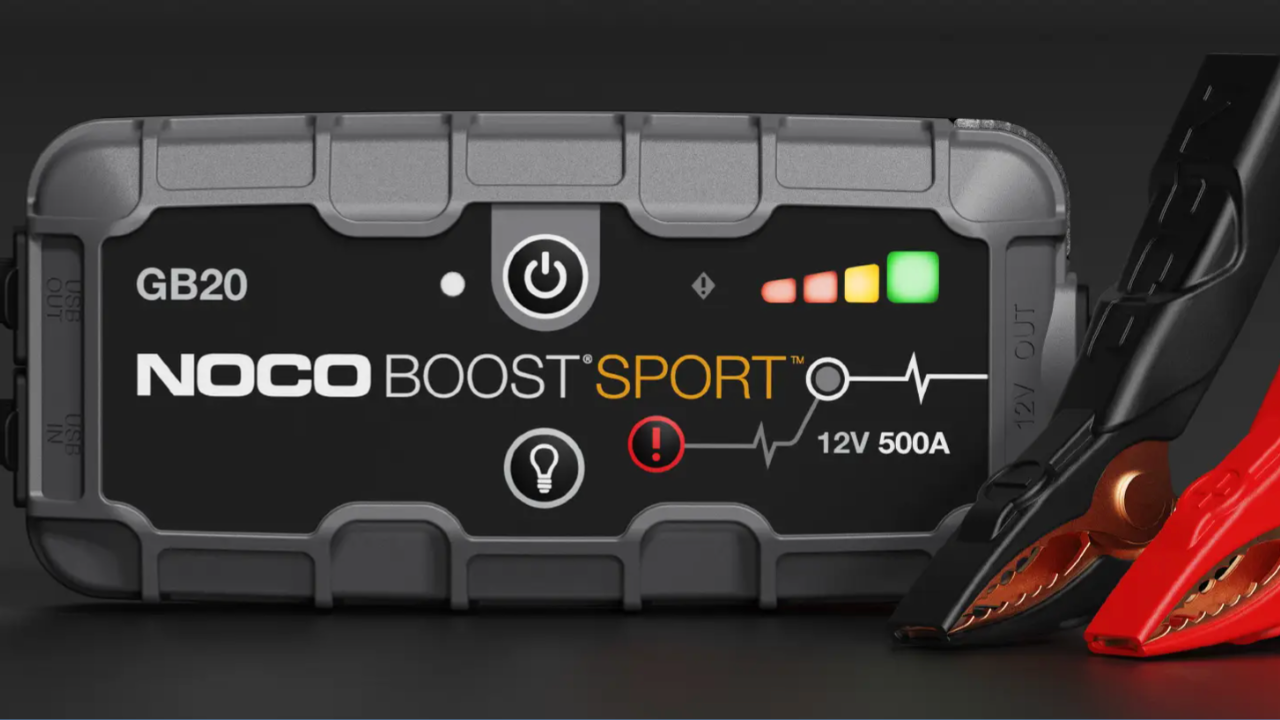
Companies such as NOCO produce compact chargers designed for motorcycles and other small vehicles.
Maintenance chargers help extend battery life and ensure the motorcycle starts reliably after storage.
Check Charging System Performance
The battery works together with the motorcycle’s charging system, which includes the stator and voltage regulator.
When the engine runs, the charging system replenishes the battery’s charge. If this system is malfunctioning, the battery may slowly drain during rides.
A simple voltage test while the engine is running can confirm whether the charging system is working correctly.
Gear and Tools That Help Riders Manage Battery Reliability
Several tools and accessories help touring riders maintain reliable battery performance during long trips.
Smart Battery Chargers
Smart chargers automatically monitor battery voltage and adjust charging levels as needed.
These chargers can:
-
maintain battery charge during storage
-
restore partially discharged batteries
-
prevent overcharging
Touring riders often keep a maintenance charger connected to the bike during the off-season to keep the battery healthy.
Portable Jump Starters
Portable jump starters are compact battery packs that allow riders to start their motorcycle without another vehicle.
These tools are particularly useful during long-distance travel where assistance may not be immediately available.
Many touring riders carry a small jump starter as part of their emergency toolkit.
Battery Monitoring Devices
Some riders install battery monitoring devices that track battery health and voltage through a smartphone app.
These systems provide early warnings if voltage drops below a safe level, helping riders address issues before they become problems.
Electrical System Accessories
Riders who use multiple electronics often install accessories that manage power distribution more efficiently.
Examples include:
-
power distribution modules
-
fused accessory connections
-
dedicated charging ports
These tools help ensure that accessories draw power safely without overwhelming the battery.
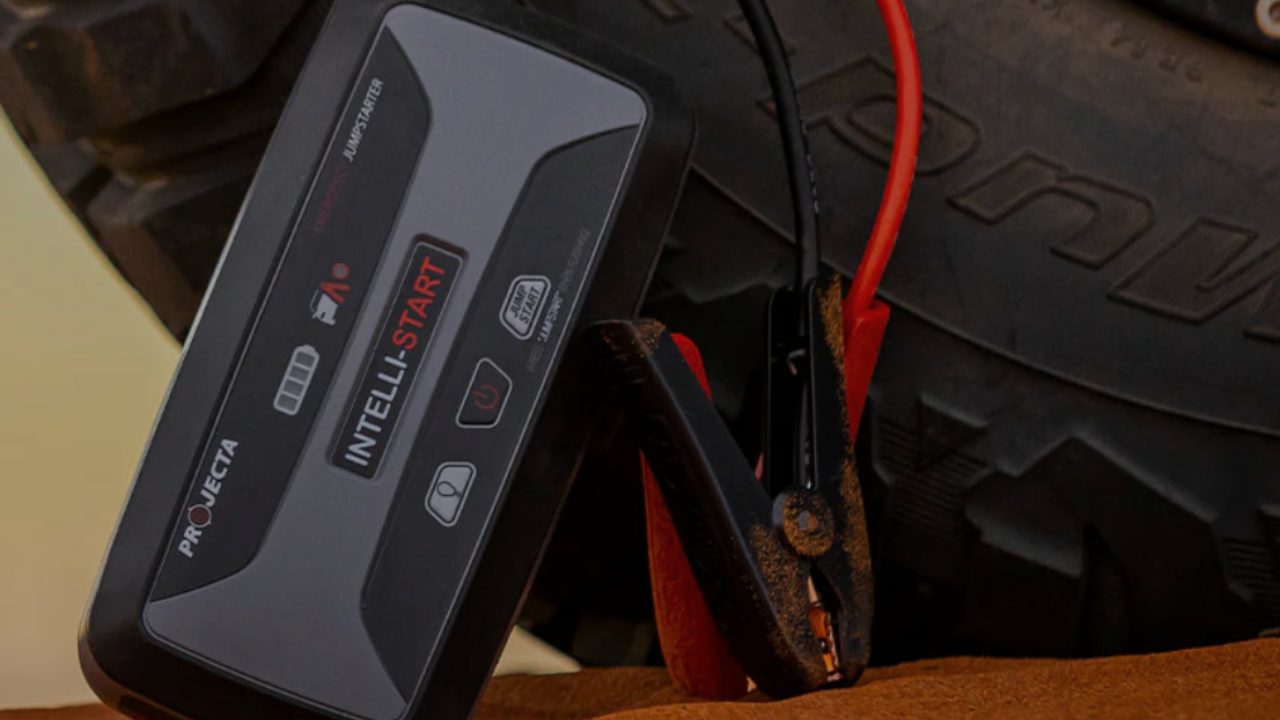
Power management equipment from companies such as Projecta is often used in vehicle electrical systems designed for travel and extended use.
Advice from Experienced Touring Riders
Battery reliability is rarely about a single piece of equipment. Riders who travel long distances often develop habits that protect their electrical systems over time.
Replace Batteries Before They Fail
Many experienced riders replace their battery proactively if it approaches the end of its lifespan.
While the battery may still work, replacing it before a major trip reduces the risk of failure far from home.
Limit Power Use When the Engine Is Off
Running electronics while the engine is off can drain the battery quickly.
During fuel stops or rest breaks, riders often switch off unnecessary accessories to conserve power.
Carry Basic Emergency Tools
Even with careful preparation, unexpected issues can happen.
Many touring riders carry a small kit that may include:
-
compact jump starter
-
battery charger
-
spare fuses
-
basic electrical tools
These items take little space but can solve many common electrical problems.
Keep Electrical Connections Clean
Dirt, moisture, and corrosion can interfere with electrical performance.
During regular maintenance, riders often clean and inspect electrical connections to ensure reliable power flow throughout the system.
Frequently Asked Questions
How often should a motorcycle battery be replaced?
Most motorcycle batteries last between three and five years, depending on usage and maintenance. Riders preparing for long tours often replace batteries if they are nearing this age range.
Can a motorcycle battery recharge itself during riding?
Yes. When the engine runs, the motorcycle’s charging system replenishes battery power. However, if the battery is weak or damaged, the charging system may not restore it fully.
Is it safe to leave a motorcycle battery on a charger overnight?
Smart maintenance chargers are designed for long-term use and can remain connected safely. These chargers automatically regulate charging levels to prevent overcharging.
Should riders carry a portable jump starter?
Many touring riders consider portable jump starters valuable emergency tools, particularly during long trips in remote areas.
Related Touring Equipment and Resources
Battery reliability is just one aspect of preparing a motorcycle for long-distance travel.
Riders planning extended trips often explore additional equipment categories, including:
-
motorcycle maintenance products for cleaning and preparation
-
touring luggage systems for multi-day travel
-
communication systems for group riding
-
auxiliary lighting for improved visibility
-
navigation tools and GPS mounts
Exploring these categories helps riders build a touring setup that supports reliability, safety, and comfort on long journeys.
Conclusion
A reliable motorcycle battery plays a quiet but essential role in every touring trip. Without it, even the most carefully planned ride can come to an unexpected stop.
Fortunately, battery issues are often easy to prevent with simple maintenance steps. Checking battery health, maintaining proper charge levels, inspecting connections, and preparing for electrical demands all help ensure dependable performance during long-distance rides.
Many experienced riders treat battery care as part of their regular touring preparation routine. With the right tools and habits, riders can significantly reduce the risk of electrical problems and enjoy the confidence that comes from knowing their motorcycle is ready for the road ahead.
Preparing your bike carefully before a trip allows you to focus on the journey itself—exploring new roads, covering new distances, and enjoying the experience that long-distance motorcycle touring offers.