Long-distance motorcycle touring exposes riders to constantly changing road conditions, traffic environments, and weather patterns. While experienced riders focus on navigation, bike maintenance, and comfort upgrades, one piece of gear remains the most important safety decision a rider can make: the helmet.
A quality motorcycle helmet does far more than satisfy legal requirements. It protects the most vulnerable part of your body, reduces fatigue during long rides, improves visibility, and can even enhance communication when traveling with other riders.
For touring riders covering hundreds of miles in a day, helmet choice becomes even more critical. The right helmet should balance protection, comfort, ventilation, and long-distance practicality.
This guide walks through what touring riders should understand about helmet safety, how to choose the right helmet for extended rides, and which features make the biggest difference on long-distance trips.
Why Helmet Safety Matters on Long-Distance Rides
Motorcycle touring often means riding for many hours at highway speeds. Even the most skilled riders cannot control every external factor on the road.
Unexpected hazards may include:
-
Sudden traffic changes
-
Road debris
-
Changing weather conditions
-
Fatigue during long rides
-
Reduced visibility at night
Helmets significantly reduce the risk of serious head injury during accidents. Studies consistently show that riders wearing helmets experience dramatically lower rates of severe trauma compared to those who ride without one.
Beyond impact protection, helmets also improve riding comfort. A properly fitted helmet reduces wind noise, protects against insects and debris, and allows riders to maintain focus over long distances.
For touring riders, helmet safety is not only about protection—it is about sustaining concentration and reducing fatigue mile after mile.
Understanding Motorcycle Helmet Safety Certifications
When choosing a helmet, riders will encounter several safety standards. These certifications indicate that a helmet has passed specific testing protocols designed to evaluate impact protection and structural strength.
DOT Certification
The DOT (Department of Transportation) certification is required for helmets sold for road use in the United States. DOT testing focuses on:
-
Impact absorption
-
Penetration resistance
-
Retention system strength
While DOT certification provides a baseline safety standard, many riders choose helmets that exceed these requirements.
ECE Certification
ECE (Economic Commission for Europe) standards are widely used internationally and are considered more rigorous in some areas of testing.
ECE helmets are tested for:
-
Multiple impact points
-
Realistic crash simulations
-
Rotational forces
Many touring riders prefer helmets carrying both DOT and ECE certification.
Snell Certification
Snell certification is a voluntary testing standard that focuses on high-impact performance.
Helmets with Snell certification are often used in racing environments and are designed to withstand extreme crash conditions.
While touring riders do not necessarily need race-certified helmets, the Snell rating can provide additional confidence in a helmet’s protective capabilities.
Types of Helmets Touring Riders Should Consider
Different helmet designs offer varying levels of protection, comfort, and convenience. Touring riders often prioritize models that combine safety with long-distance practicality.
Full-Face Helmets
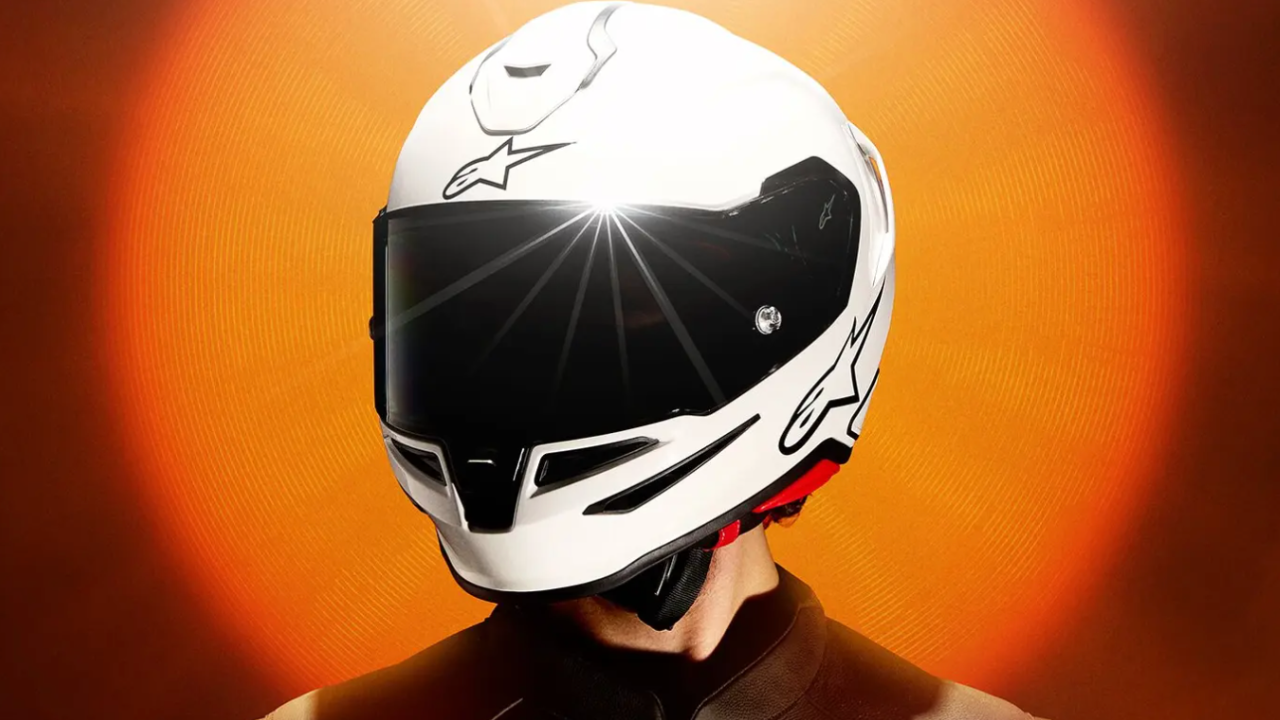
Full-face helmets provide the highest level of protection because they cover the entire head and chin.
Benefits include:
-
Maximum impact protection
-
Reduced wind noise
-
Superior weather protection
-
Improved aerodynamics
Full-face helmets are widely considered the safest option for highway riding and long-distance touring.
Modular Helmets
Modular helmets (also called flip-up helmets) combine the protection of a full-face helmet with the convenience of an open-face design.
The chin bar can be lifted when stopped, making it easier to:
-
Speak with other riders
-
Drink water
-
Use navigation devices
Many touring riders appreciate modular helmets during multi-day rides because they reduce the need to remove the helmet during frequent stops.
Adventure Touring Helmets
Adventure helmets combine road helmet design with off-road features.
They often include:
-
Extended sun visors
-
Increased ventilation
-
Compatibility with goggles
These helmets are popular among riders who combine highway travel with gravel or backcountry routes.
Helmet Fit and Comfort for Long Rides
Even the most advanced helmet will fail to protect properly if it does not fit correctly.
A helmet should feel snug without creating painful pressure points. When trying on a helmet:
-
It should sit level on the head
-
The cheek pads should press firmly against your face
-
The helmet should not rotate when you move your head
Helmet padding often breaks in slightly after several rides, so a helmet that feels slightly tight at first may become perfectly comfortable after a short break-in period.
Retailers like RevZilla offer extensive helmet fit guides and product reviews that help riders evaluate sizing and comfort before purchasing.
Touring Features That Improve Helmet Performance
Helmet technology has advanced significantly in recent years. Modern touring helmets include features that enhance safety, comfort, and long-distance usability.
Ventilation Systems
Good airflow prevents visor fogging and reduces heat buildup during long rides. Adjustable vents allow riders to control airflow depending on weather conditions.
Pinlock Anti-Fog Systems
Pinlock inserts create a dual-pane visor that dramatically reduces fogging. This feature becomes especially valuable when riding in cold or wet conditions.
Integrated Sun Visors
Internal drop-down sun visors allow riders to quickly adjust to changing lighting conditions without switching visors.
Communication Compatibility
Many touring riders install communication systems for navigation, music, or group rides.
Helmet designs that support communication systems from companies like Cardo Systems allow seamless integration without compromising comfort.
Managing Helmet Fatigue on Long Trips
Long-distance riders quickly learn that helmet weight and aerodynamics influence fatigue.
Heavier helmets place additional strain on the neck during extended rides. Lightweight materials like carbon fiber or composite shells help reduce this fatigue.
Aerodynamic shapes also improve stability at highway speeds, preventing helmet buffeting caused by wind turbulence.
Riders who spend multiple hours on the road each day often prioritize helmets designed specifically for touring comfort.
When Should You Replace Your Helmet?
Helmets do not last forever. Even without visible damage, the protective foam inside the helmet gradually loses effectiveness.
Most manufacturers recommend replacing helmets every five years.
Helmets should also be replaced if:
-
They experience a crash or significant impact
-
The inner liner becomes loose or degraded
-
The outer shell shows cracks or structural damage
Proper care and storage can extend helmet life, but eventually all helmets must be replaced to maintain optimal safety.
Helmet Care and Maintenance
To keep your helmet performing properly:
-
Clean the visor regularly to maintain visibility
-
Wash removable liners to prevent odor buildup
-
Store helmets in cool, dry environments
-
Avoid dropping helmets on hard surfaces
These simple maintenance habits preserve both comfort and protective performance.
Real-World Touring Scenario
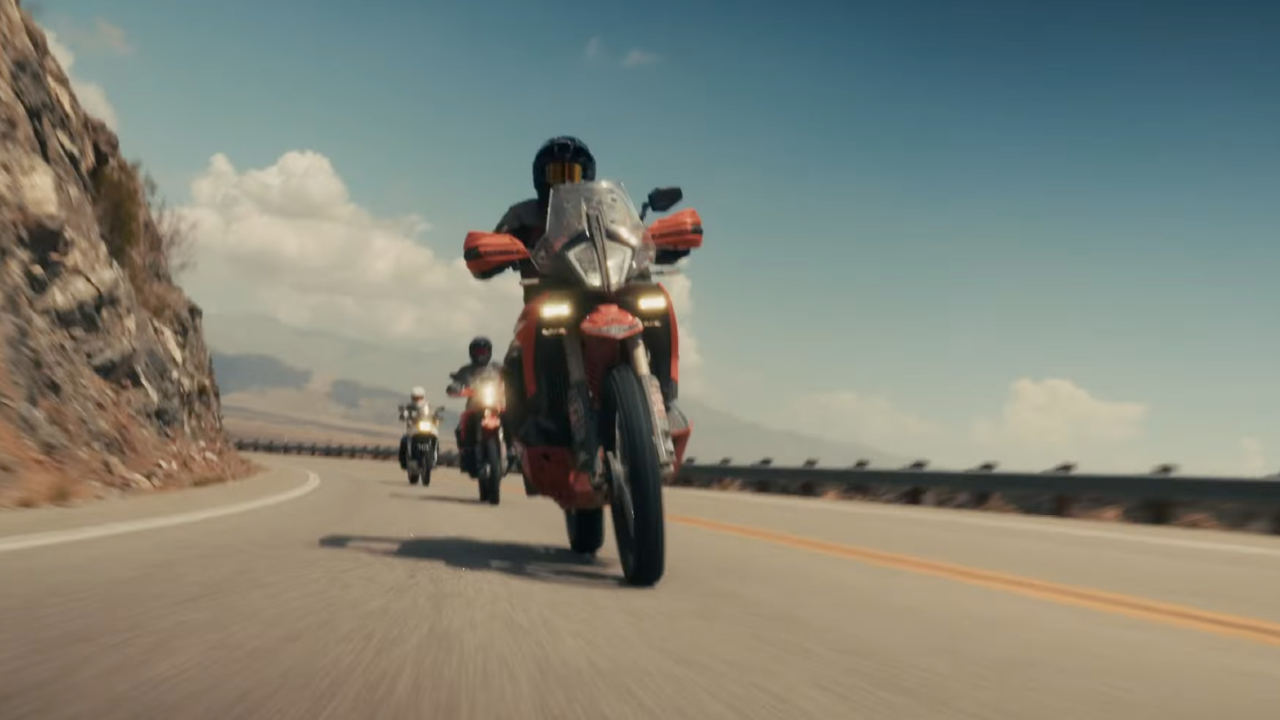
Imagine a multi-day ride through mountain highways and open desert roads.
You start the ride wearing a properly fitted full-face helmet with integrated ventilation and a Pinlock visor. As the sun rises higher, you deploy the internal sun visor to reduce glare.
Later in the evening, temperatures drop and fog begins forming on the road. The anti-fog visor keeps your vision clear, while your helmet’s aerodynamic shape reduces fatigue during long highway stretches.
Throughout the ride, your communication system from Cardo allows you to stay connected with your riding partner and hear navigation instructions clearly.
This combination of safety, comfort, and technology transforms a long ride into a controlled and enjoyable experience.
Additional Gear to Consider for Helmet Safety
Helmet safety works best when combined with other protective equipment.
Riders often pair helmets with:
-
Touring jackets and pants from Alpinestars
-
Luggage systems from Viking Bags
-
Visibility lighting from DENALI Electronics
Together, these components create a complete touring safety setup.
Final Thoughts
Helmet safety should always be the first priority when preparing for a long motorcycle tour. The right helmet protects against serious injury, reduces fatigue, and improves riding confidence across thousands of miles.
By understanding helmet certifications, selecting the proper fit, and choosing features designed for long-distance riding, touring riders can dramatically improve both safety and comfort on the road.
Exploring trusted retailers such as RevZilla and researching helmet designs carefully ensures that the gear protecting you on every ride is reliable, comfortable, and built for the journey ahead.