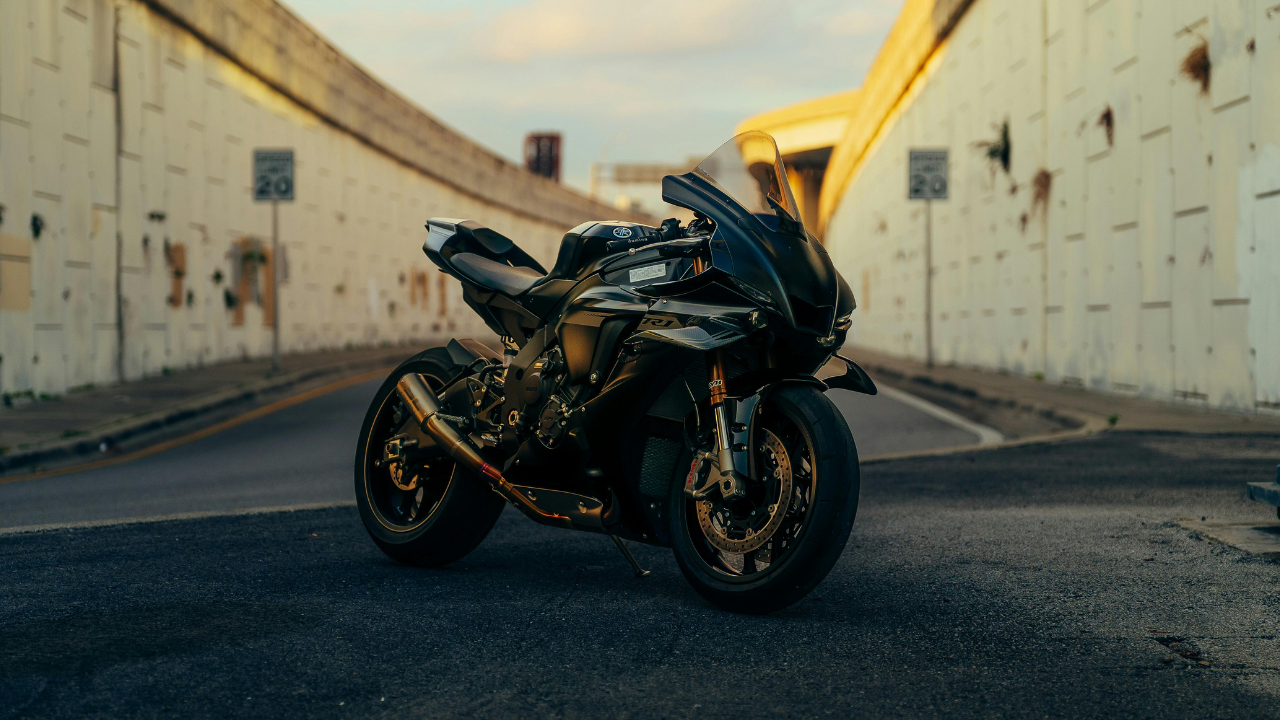
Riding at night introduces a set of challenges that daylight simply hides. Reduced visibility, glare from oncoming vehicles, and the fatigue that creeps in during long rides all combine to make nighttime touring riskier. Even experienced riders notice that darkness magnifies hazards — a pothole that would be trivial in daylight suddenly feels threatening, and a car approaching too quickly from behind can cause a sudden spike of adrenaline.
This guide focuses on practical solutions for riders who want to stay safe and visible after the sun goes down. We’ll explore equipment upgrades, riding techniques, and preparation strategies, all backed by real-world touring experience. Along the way, you’ll see how products from our Motorcycle Touring Directory — such as DENALI Electronics, Cardo Systems, Projecta, Twisted Throttle, and Viking Bags — can make night rides safer and more comfortable.
Why Night Riding is Riskier
Night riding is fundamentally different from daytime riding. Your eyes rely heavily on artificial light, and shadows hide obstacles that are easy to spot in daylight. Several factors increase risk:
Limited visibility: Street lighting is inconsistent, and even well-lit roads have blind spots. Headlights from other vehicles can make it hard to judge distances, and reflective road signs only help so much.
Reduced reaction time: Darkness impairs depth perception. A small animal crossing, debris in the road, or a pothole can appear suddenly. Even seasoned riders need more time to respond.
Fatigue and slower reflexes: Many long-distance riders cover hundreds of miles over multiple days. Riding at night often coincides with natural circadian dips in alertness, making reaction times slower.
Glare from oncoming vehicles: On highways, passing trucks and cars can temporarily blind you, forcing abrupt adjustments.
Weather challenges: Rain, fog, or mist magnify visibility problems. Wet roads reflect headlights and streetlights, creating glare, while fog scatters light and hides obstacles.
Addressing these risks requires preparation, smart gear choices, and riding techniques tailored for darkness.
Practical Solutions Riders Use
Night riding isn’t inherently dangerous if you prepare. Experienced touring riders focus on several strategies to increase safety and visibility.
Upgrade Your Lighting
Lighting is your first line of defense. Stock headlights are often insufficient for long-distance touring at night. Consider:
-
Auxiliary lights: Brands like DENALI Electronics provide compact, bright lights that supplement your main headlight. These lights improve road visibility without draining your bike’s electrical system.
-
LED upgrades: LEDs are brighter, more energy-efficient, and last longer than traditional halogen bulbs.
-
Reflective tape or decals on bikes: Adding subtle reflective elements enhances visibility to drivers from multiple angles.
Correctly aimed lighting reduces glare, illuminates obstacles early, and helps other drivers see you in low-light conditions.
Reflective Gear and Apparel
Your visibility isn’t just about the bike; it’s about making yourself noticeable to others.
-
Reflective jackets and vests: Alpinestars Road Collection jackets include reflective panels for side, back, and shoulder visibility.
-
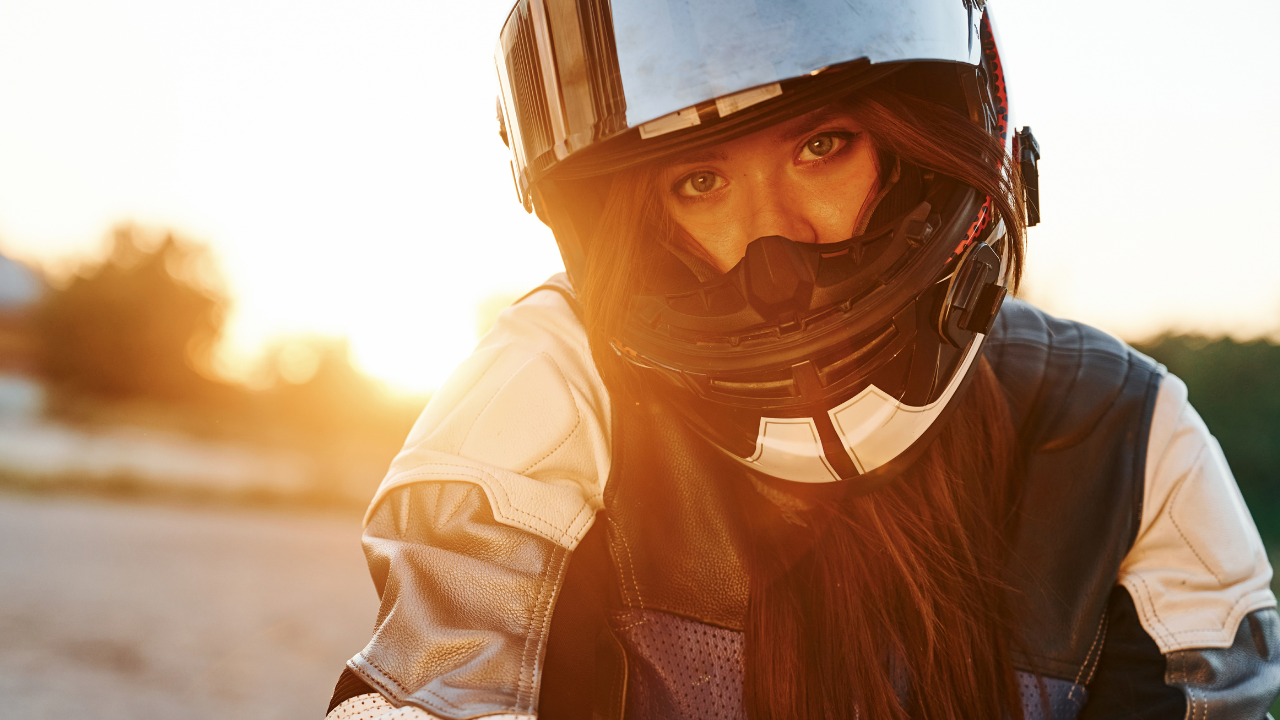
Reflective helmet decals: Helmets with reflective patterns or stickers provide 360-degree visibility.
-
Boots and gloves: Small reflective details can catch headlights and alert other drivers.
Layering reflective gear over darker apparel ensures you’re seen without looking flashy or over-the-top.
Rider Communication and Navigation
Distraction is a silent hazard. On long trips, riders need to focus on the road while keeping in touch with fellow riders or following a planned route.
-
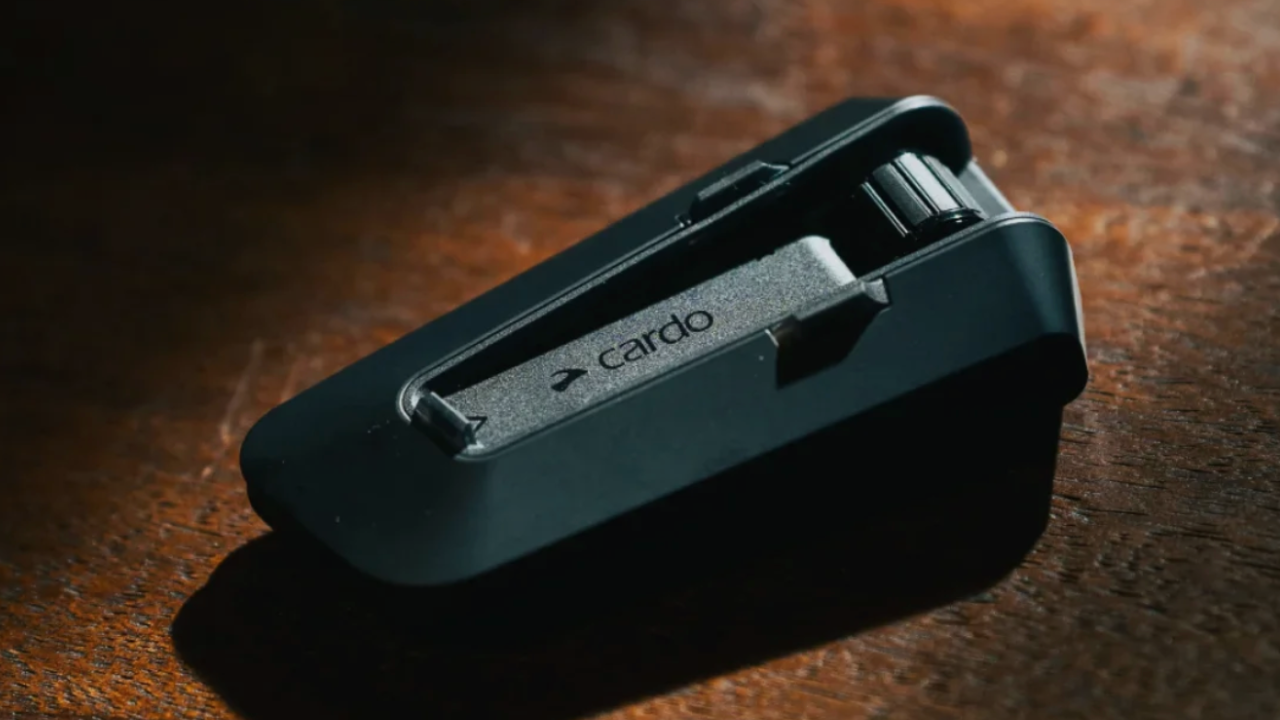
Cardo Systems offers rider-to-rider communication that allows you to signal lane changes, alert about hazards, and receive turn-by-turn navigation without looking down at a device.
-
Group rides benefit from pre-planned hand signals and communication systems that reduce the need for verbal calls, allowing for safer coordination in low-light conditions.
Optimize Riding Position
Even the best gear won’t help if your riding posture reduces visibility or slows reaction times. Consider:
-
Lane positioning: Stay out of blind spots from cars and trucks. Use the lane diagonally to increase your own visibility.
-
Distance from vehicles: Maintain extra space in front and behind to compensate for slower reaction times.
-
Headlight aim adjustments: Correctly angled headlights illuminate your lane without blinding oncoming traffic.
Prepare for Fatigue
Night rides are mentally and physically taxing. Touring riders take precautions to maintain alertness:
-
Frequent breaks: Stopping every 60–90 minutes keeps your mind fresh.
-
Hydration and nutrition: Energy dips reduce focus. Water and light snacks maintain alertness.
-
Rested before departure: Avoid starting long night rides while already tired.
Gear and Tools That Help
 ![]
![]
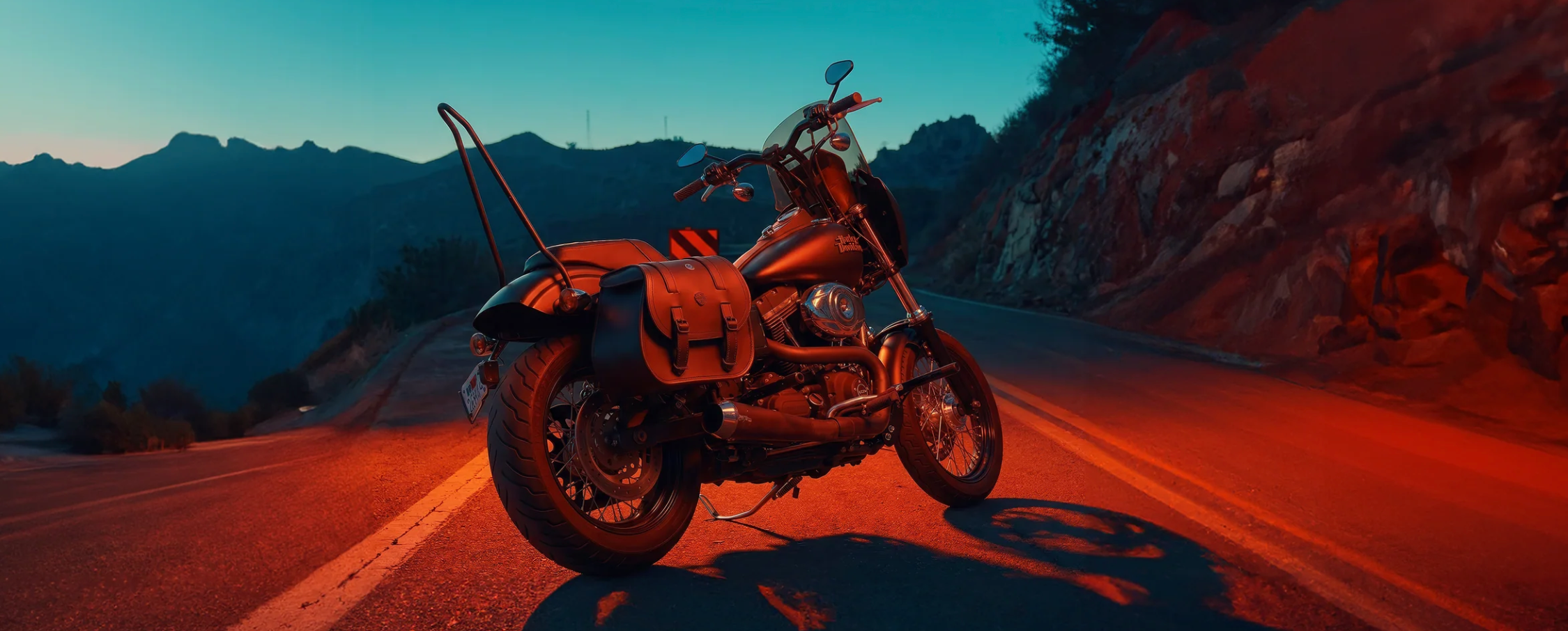
Night riding safety is enhanced when paired with the right gear. Here’s a practical roundup of tools and products to consider:
-
Lighting: DENALI Electronics offers auxiliary lights that dramatically improve forward visibility.
-
Reflective apparel: Alpinestars Road Collection jackets and pants integrate reflective panels for safety without sacrificing comfort.
-
Communication systems: Cardo Systems headsets provide group connectivity, GPS instructions, and hazard alerts.
-
Power management: Projecta battery chargers ensure your lights and heated gear remain reliable on long rides.
-
Comfort aids: Twisted Throttle seats, grips, and vibration dampening accessories reduce fatigue so your reaction times stay sharp.
-
Load management: Viking Bags luggage systems keep your gear balanced, avoiding sudden shifts that can compromise control at night.
All of these products support practical, real-world improvements rather than relying on hype.
Real-World Touring Applications
Consider a long-distance night ride from Denver to Salt Lake City. You’ll encounter mountain roads, urban streets, and highways. Here’s how the strategies come together:
-
Lighting: DENALI auxiliary lights illuminate upcoming curves and obstacles.
-
Reflective gear: Alpinestars jackets make you visible to other vehicles from a distance.
-
Communication: Cardo Systems keep your riding group coordinated, signaling lane changes and hazards.
-
Bike setup: Twisted Throttle seat and vibration-reducing footpegs minimize fatigue.
-
Luggage: Viking Bags distribute weight evenly to maintain bike stability.
-
Power: Projecta charger ensures auxiliary lights and heated grips remain functional over multiple days.
By combining these strategies, riders can navigate night roads confidently, safely, and comfortably.
Tips from Experienced Night Riders
-
Test lighting before long trips: Ensure auxiliary and main lights are aimed correctly.
-
Keep reflective surfaces clean: Dirt or mud reduces visibility.
-
Rotate hand and foot positions: Small movements reduce fatigue over extended rides.
-
Plan routes strategically: Choose well-lit highways when possible, and anticipate turns or blind corners.
-
Avoid distractions: Minimize nonessential tasks while riding; rely on Cardo or GPS for guidance.
-
Layer for comfort: Windproof and breathable clothing helps maintain focus during colder night conditions.
Frequently Asked Questions
Q: Are auxiliary lights really necessary for night touring?
A: Yes. Auxiliary lights, like those from DENALI, provide wider road illumination and help you see hazards before they become a problem.
Q: Can reflective gear replace good lighting?
A: No. Reflective gear enhances visibility but doesn’t improve what you can see. Use it alongside proper lighting.
Q: Do heated grips help at night?
A: Absolutely. Cold fingers slow reaction time. Heated grips, like those from Twisted Throttle, keep hands warm and responsive.
Q: How do I stay alert on long night rides?
A: Regular breaks, hydration, and well-rested starts are key. Comfort upgrades like vibration-dampening seats also help prevent fatigue.
Q: Should I rely on GPS while riding at night?
A: Use GPS, ideally integrated with Cardo Systems or mounted at eye level. Don’t look down frequently; let technology guide you safely.
Q: What about emergencies?
A: Carry a small flashlight, reflective triangles, and a charged phone. Projecta chargers can keep your electronics powered.
Related Tools and Resources
-
Comfort upgrades: Twisted Throttle seats, grips, and vibration-reducing accessories.
-
Luggage management: Viking Bags systems for long trips.
-
Battery & Maintenance: Projecta chargers and power tools.
-
Communication & Tech: Cardo Systems for group rides and navigation.
-
Visibility & Safety: DENALI Electronics auxiliary lighting.
-
Apparel: Alpinestars reflective jackets and pants.
Exploring these resources ensures your bike and gear are optimized for night touring.
Conclusion
Riding after dark is challenging, but with preparation, proper gear, and smart techniques, you can stay safe, visible, and comfortable. Upgraded lighting, reflective clothing, communication systems, and ergonomic bike setups allow you to ride with confidence and focus.
Incorporate products from the Motorcycle Touring Directory, including DENALI, Cardo, Projecta, Twisted Throttle, and Viking Bags, to enhance both safety and comfort. Use this guide to make night riding a manageable, enjoyable part of your long-distance touring adventures.