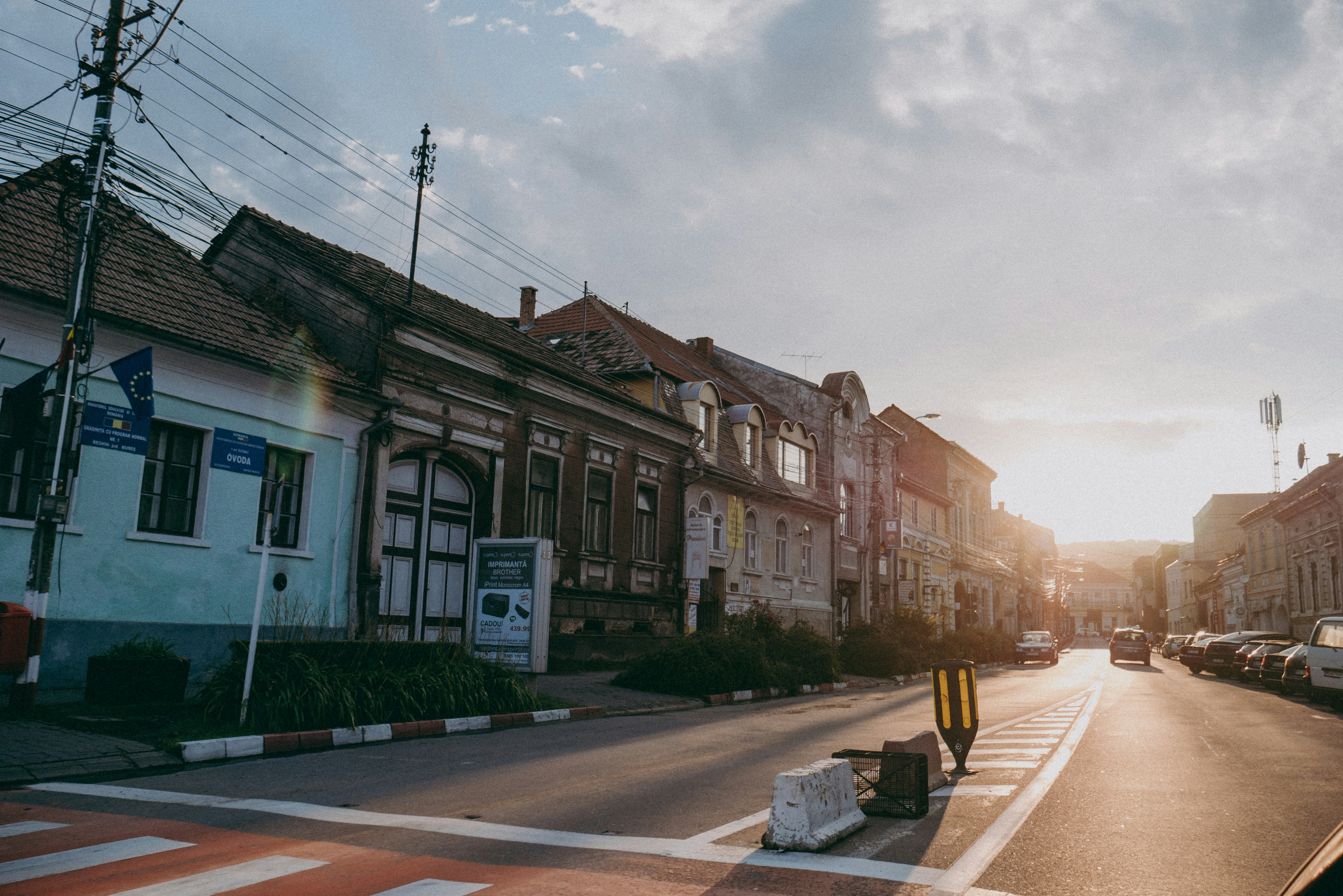
Spain has a little unfair advantage when it comes to motorcycle travel.
It has mountains, Mediterranean coastline, Atlantic cliffs, desert landscapes, vineyards, forests and wide-open countryside—all within one country. Add thousands of miles of roads connecting small towns and remote landscapes, and you have the ingredients for an unforgettable motorcycle road trip.
The challenge is deciding where to start.
A ride through the Pyrenees feels completely different from following the Mediterranean coast. Northern Spain can be green and misty, while Andalucía can feel almost desert-like. You can spend a morning crossing a mountain pass and an afternoon eating tapas in a centuries-old town.
So, which routes are actually worth putting on your itinerary?
Here are some of the best scenic motorcycle routes in Spain, from famous mountain roads to longer journeys that cross entire regions.
1. The Pyrenees: Spain's Ultimate Mountain Adventure
Best for: Mountain scenery, winding roads and multi-day trips
If dramatic mountain scenery is what you're looking for, start in the Pyrenees.
The mountain range stretches across northern Spain along the French border, creating hundreds of kilometers of potential routes. Rather than following one single road, a Pyrenean motorcycle trip is best thought of as a collection of mountain passes, valleys and smaller roads that you can combine into your own itinerary.
The Spanish side is particularly rewarding for travelers who want to get away from major tourist centers. You can pass through remote valleys, mountain villages and spectacular landscapes before crossing into France or continuing east toward Catalonia.
The eastern Pyrenees also make Barcelona a convenient starting point for an international motorcycle holiday. From the city, you can reach the mountains and build a route that eventually takes you through Andorra or across the French border.
Highlights
-
Pyrenean mountain passes
-
Ordesa y Monte Perdido National Park
-
Valleys of Aragón and Catalonia
-
Mountain villages
-
Spain–France border crossings
Allow: 4–7 days for a worthwhile section; longer if you want to cross the entire range.
Best for: Riders who want the classic European mountain-road experience.
Planning tip: Mountain weather can change quickly, and conditions at higher elevations can differ substantially from those in the valleys. Check conditions before setting out.
2. Picos de Europa: Dramatic Mountains Near the Atlantic
Best for: Spectacular scenery, mountain roads and northern Spain
The Picos de Europa are one of northern Spain's great surprises.
The mountain range rises remarkably close to the Atlantic coast, creating a landscape of enormous limestone peaks, deep valleys and winding roads. It is a particularly interesting destination for travelers who want mountain scenery without committing to a trip through the Alps.
Roads such as the N-621 and N-625 provide access to some of the region's most impressive landscapes, while smaller roads lead toward mountain villages and viewpoints.
One of the advantages of the Picos is the variety around them. You can begin the day near the coast, climb into the mountains and finish somewhere completely different a few hours later.
For a longer trip, combine the Picos with Asturias, Cantabria and the Basque Country.
The result is a northern Spanish road trip with mountains, green countryside, dramatic coastline and some excellent food along the way.
Highlights
-
Picos de Europa National Park
-
N-621 and N-625
-
Covadonga
-
Potes
-
Fuente Dé
-
Asturias and Cantabria
Allow: 3–5 days.
Best for: Travelers who want mountain scenery without spending their entire holiday in high-altitude terrain.
3. The Three Valleys of La Rioja: A Scenic Loop Through Wine Country
Best for: A shorter ride combining roads, scenery and food
You don't always need a week-long road trip to experience a great motorcycle route.
The Three Valleys Route in La Rioja is a good example.
The official Spanish tourism board describes the route as approximately 189 kilometers long, passing through 29 towns and villages and following the valleys of the Leza, Iregua and Najerilla rivers. It includes an impressive 1,303 bends along the way.
That is a lot of corners for a relatively compact route.
But the scenery is what makes it interesting. The route passes through forests, viewpoints, chapels, villages and vineyards, giving you plenty of reasons to stop rather than simply treating the road as a means of getting somewhere.
And then there's La Rioja itself.
If you enjoy wine and food, this is one of those routes where the destination at the end of the riding day is almost as important as the road getting there.
Highlights
-
Leza Valley
-
Iregua Valley
-
Najerilla Valley
-
La Rioja wine country
-
Small villages and viewpoints
Distance: Approximately 189 km.
Allow: 1–2 days.
Best for: A shorter motorcycle getaway with plenty of stops.
4. The Sierra Nevada and Alpujarras: Mountains in Southern Spain
Best for: Mountain scenery, historic villages and warm-weather touring
Southern Spain may be better known for beaches, flamenco and sunshine, but head inland and the landscape changes dramatically.
The Sierra Nevada rises above Andalucía, creating one of the most spectacular mountain regions in southern Spain.
Below the high peaks are the Alpujarras, a collection of valleys and mountain villages with a strong Moorish influence. Roads wind through steep hillsides and connect villages that feel a world away from the coastal resorts of Andalucía.
This makes the region particularly good for a motorcycle holiday that combines riding with sightseeing.
You can spend the morning in the mountains, stop in a village such as Capileira or Pampaneira for lunch, and finish the day back in Granada.
And having the Alhambra just a short distance away doesn't hurt.
Highlights
-
Sierra Nevada
-
Alpujarras
-
Granada
-
Capileira
-
Pampaneira
-
Mountain viewpoints
Allow: 2–4 days.
Best for: Travelers who want mountains, culture and warm-weather travel in one trip.
When to go: Spring and autumn can offer more comfortable temperatures than the height of summer, particularly at lower elevations.
5. Cabo de Gata: A Motorcycle Ride Through Spain's Desert Coast
Best for: Unusual landscapes and Mediterranean scenery
Cabo de Gata is unlike almost anywhere else in Spain.
Located in the province of Almería in southeastern Andalucía, the Cabo de Gata-Níjar Natural Park combines volcanic landscapes, dry hills and dramatic Mediterranean coastline.
The scenery can feel almost otherworldly.
Instead of the lush green landscapes associated with northern Spain, you'll find rocky mountains, sparse vegetation, small fishing communities and deep blue water.
The roads through the region make for a memorable day trip, particularly when combined with stops at coastal viewpoints and villages.
Just remember that this is one of Spain's hottest regions. A route that sounds pleasant on paper can become considerably less enjoyable during the hottest part of summer.
Highlights
-
Cabo de Gata-Níjar Natural Park
-
Mediterranean coastline
-
Volcanic landscapes
-
Coastal villages
-
Almería
Allow: 1–3 days.
Best for: Travelers looking for something completely different from the Pyrenees or northern mountains.
6. The Silver Route: Spain From North to South
Best for: Long-distance touring, history and seeing several sides of Spain
If you want one route that demonstrates just how varied Spain can be, look at the Vía de la Plata—the Silver Route.
The route runs for more than 800 kilometers between Seville in southern Spain and Gijón on the northern coast. Spain's official tourism website specifically promotes it as a motorcycle journey and notes that it can be completed in around three days, although extending the trip allows much more time for sightseeing.
The landscape changes dramatically as you travel north.
The journey begins among the landscapes of Andalucía before crossing Extremadura and continuing toward the greener mountains of northern Spain.
And this isn't just a scenic road trip.
The route follows the path of an ancient Roman communication route and passes through cities and towns including Mérida, Cáceres, Plasencia, León and Gijón. Mérida and Cáceres are both UNESCO World Heritage Cities.
For a traveler who wants more than just beautiful roads, that's a pretty compelling combination.
Highlights
-
Seville
-
Mérida
-
Cáceres
-
Plasencia
-
León
-
Gijón
-
Extremadura
-
Northern Spain
Distance: More than 800 km.
Allow: At least 3 days; 5–7 days if you want time to explore.
Best for: A first major Spanish motorcycle road trip.
Spain's tourism board also highlights accommodation and services carrying its "Motorbike Friendly Club" designation along the route, which can be useful when planning overnight stops.
7. The Costa Brava: Mediterranean Roads and Coastal Views
Best for: Coastal scenery, beaches and combining riding with a city break
If mountain roads aren't your thing, Spain has another obvious option: the Mediterranean coast.
The Costa Brava stretches north of Barcelona toward the French border, combining rocky coastline, beaches, fishing villages and historic towns.
The trick is to avoid treating the coast as simply a route between major tourist destinations.
Take time to explore the smaller roads and stop regularly. Towns such as Cadaqués and Begur provide good reasons to leave the motorcycle parked for a while.
Barcelona also makes the Costa Brava particularly convenient for international travelers. You can fly into the city, arrange a motorcycle rental and be exploring the coast relatively quickly.
For a shorter holiday, that convenience is hard to beat.
Highlights
-
Costa Brava coastline
-
Cadaqués
-
Begur
-
Cap de Creus
-
Girona
-
Barcelona
Allow: 2–4 days.
Best for: Travelers who want riding, beaches, food and city life in the same trip.
8. The Basque Country: Green Mountains Meet the Atlantic
Best for: Scenic countryside, winding roads and food
Northern Spain doesn't always get the attention it deserves from international visitors.
The Basque Country is a perfect example.
Here, green mountains meet the Atlantic, and roads wind through a landscape that feels dramatically different from southern Spain.
You can build a route around Bilbao and San Sebastián, venture inland through the mountains or continue west toward Cantabria and Asturias.
And if food matters to you, you're in luck.
San Sebastián is famous for its pintxos, while the wider Basque Country has one of Europe's strongest food cultures.
This is a destination where you might remember the road—but also remember exactly where you stopped for lunch.
Highlights
-
Bilbao
-
San Sebastián
-
Basque mountain roads
-
Atlantic coastline
-
Small villages
-
Pintxos
Allow: 2–5 days.
Best for: Travelers who want scenery and food in equal measure.
Which Spanish Motorcycle Route Should You Choose?
The best route depends on the type of trip you're planning.
Dramatic mountain roadsPyreneesLimestone peaks and green valleysPicos de EuropaA shorter scenic loopThree Valleys, La RiojaMountains and historic villagesSierra Nevada & AlpujarrasDesert and Mediterranean sceneryCabo de GataA full cross-country adventureSilver RouteCoastal roads and beachesCosta BravaGreen countryside and incredible foodBasque Country
And there's no rule saying you have to choose just one.
Spain is particularly good for combining routes. A trip beginning in Barcelona could take you through the Costa Brava and into the Pyrenees. A northern itinerary could connect the Basque Country, Cantabria and the Picos de Europa. In Andalucía, you could combine Granada and the Alpujarras with Cabo de Gata.
The country is big enough to offer enormous variety, but well connected enough to make ambitious road trips possible.
When Is the Best Time for a Motorcycle Trip in Spain?
There isn't one perfect month for the entire country.
Spain's climate varies significantly between regions, and altitude can make an even bigger difference.
For mountain routes, always check conditions before setting out. High-altitude roads can have very different weather from nearby cities and coastal areas.
For summer trips, consider heading north or riding earlier and later in the day in hotter southern regions. Spain's traffic authority, the DGT, publishes current traffic recommendations and seasonal information, including warnings about increased summer traffic on major routes toward coastal and holiday areas.
Whatever route you choose, check the weather, traffic and road conditions before leaving.
The DGT also emphasizes the importance of appropriate motorcycle licensing, helmets and safety equipment, so make sure you meet Spain's legal and safety requirements before riding.
Renting a Motorcycle in Spain
You don't need to bring your own motorcycle to experience these routes.
For international travelers, renting can be a much simpler option. Fly into a major city, collect your motorcycle and begin your trip without spending several days getting to Spain by road.
When comparing motorcycle rentals, don't look only at the daily price.
Check:
-
What insurance is included
-
The security deposit
-
Mileage limits
-
Luggage options
-
Roadside assistance
-
Cancellation terms
-
What happens if the motorcycle is damaged
-
Whether you can return the motorcycle in another location
A cheap rental isn't necessarily the best deal if important extras are charged separately.
Planning a Spanish motorcycle trip? Browse motorcycle rental companies in Spain and compare your options before booking.
Make the Route Part of the Holiday
The best Spanish motorcycle routes aren't necessarily the ones with the most bends.
They're the ones that give you a reason to stop.
A mountain viewpoint. A tiny village you weren't expecting. A roadside restaurant. A historic town. A beach that looks too good to pass.
That's what makes Spain such an enjoyable motorcycle destination. The road can be the attraction, but it doesn't have to be the entire point of the journey.
Whether you spend a week crossing the Pyrenees, follow the Mediterranean through Catalonia or take the 800-kilometer Vía de la Plata from Seville to Gijón, leave yourself enough time to actually experience the places between the turns.
Because the best road trip memories are rarely just about the road.