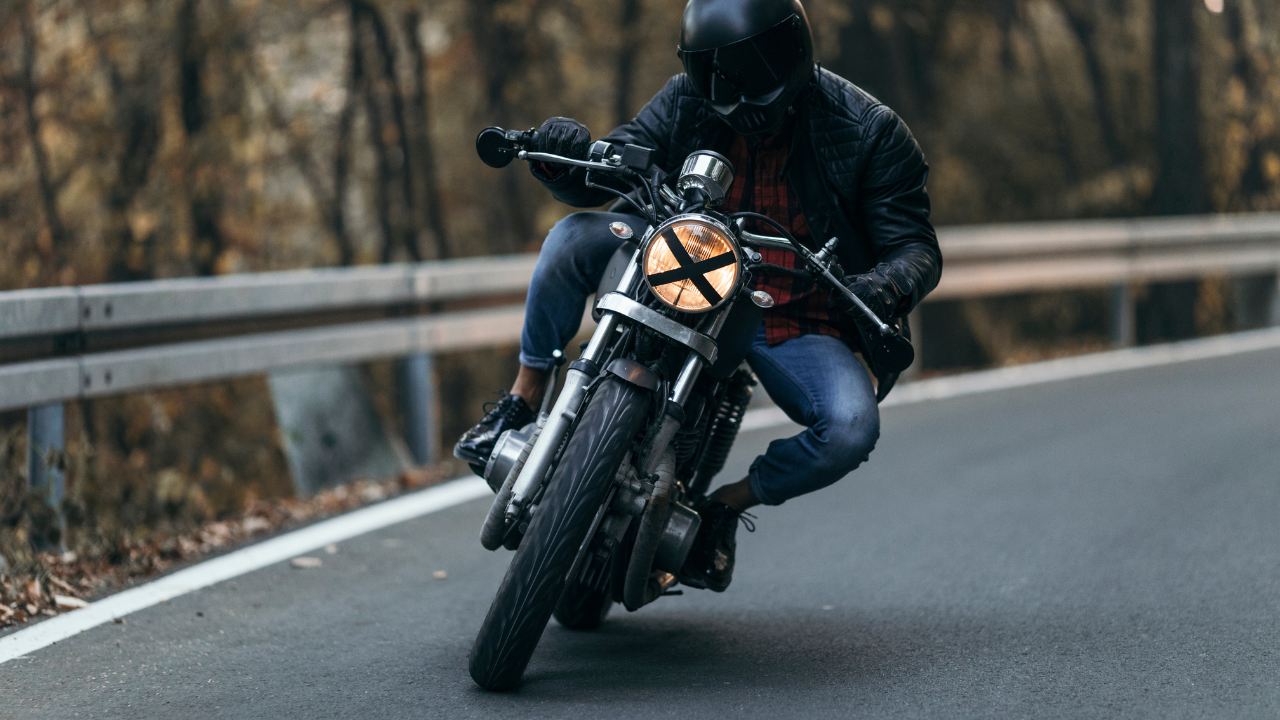
Most motorcycle tours are completed without major mechanical problems.
Yet ask experienced touring riders about their travel stories, and many can recall a loose chain in the middle of nowhere, a dead battery at an inconvenient moment, or a tire issue that unexpectedly changed the day's plans.
The reality is that long-distance touring places unique demands on a motorcycle. Extended riding hours, changing weather conditions, varying road surfaces, and increased mileage can expose weaknesses that might never appear during everyday riding.
Fortunately, many of the most common mechanical issues are predictable, preventable, or manageable with proper preparation.
Understanding what tends to go wrong during long motorcycle trips can help riders reduce stress and improve reliability before leaving home.
Why Mechanical Problems Are More Common During Touring
Motorcycles experience more wear during long tours than during typical short rides.
Touring often involves:
-
Consecutive days of riding
-
High mileage accumulation
-
Heavy luggage loads
-
Extreme temperatures
-
Mountain roads
-
Rain and changing weather
-
Long periods of engine operation
Even well-maintained motorcycles can experience minor issues when subjected to these conditions.
The goal isn't to eliminate all risk. It's to reduce the likelihood of avoidable problems and be prepared if something does happen.
Common Mechanical Issues Riders Encounter
Tire Problems
Tires are among the most common sources of touring-related issues.
Potential problems include:
-
Punctures
-
Rapid wear
-
Improper tire pressure
-
Sidewall damage
-
Embedded debris
Long distances and varying road conditions can accelerate tire wear, particularly when carrying luggage or a passenger.
Chain Wear and Adjustment Issues
For chain-driven motorcycles, chain maintenance becomes increasingly important during long trips.
Common issues include:
-
Excessive slack
-
Dry chains
-
Accelerated wear
-
Worn sprockets
Ignoring chain maintenance can lead to reduced performance and potential reliability concerns.
Battery Problems
A weak battery often reveals itself at the worst possible time.
Symptoms may include:
-
Slow starting
-
Electrical inconsistencies
-
Failure to start after overnight stops
Older batteries can be particularly vulnerable during extended touring seasons.
Electrical Faults
Modern motorcycles rely heavily on electrical systems.
Common electrical issues can involve:
-
Loose connections
-
Faulty switches
-
Damaged wiring
-
Lighting failures
-
Charging-system problems
While many electrical issues are minor, they can still be frustrating during a tour.
Brake Wear
Long descents, mountain roads, and extended mileage can increase brake wear.
Riders may notice:
-
Reduced braking performance
-
Excessive pad wear
-
Unusual noises
-
Brake-fluid concerns
Routine inspections help identify issues before they become serious.
Fluid Leaks
Although not especially common on well-maintained motorcycles, fluid leaks can occasionally develop during longer trips.
Potential sources include:
-
Engine oil
-
Coolant
-
Brake systems
-
Hydraulic clutch systems
Leaks should always be investigated promptly.
Loose Fasteners and Components
Vibration, rough roads, and prolonged riding can sometimes loosen components over time.
Examples may include:
-
Mirrors
-
Luggage mounts
-
Windshields
-
Auxiliary accessories
-
Fasteners and brackets
Periodic inspections can help catch these issues early.
Practical Solutions Riders Use
Perform a Thorough Pre-Trip Inspection
Many mechanical issues can be identified before departure.
Common inspection areas include:
-
Tires
-
Brakes
-
Chain condition
-
Battery health
-
Fluid levels
-
Lighting systems
Preventive maintenance often reduces the likelihood of problems later.
Conduct Daily Walk-Around Checks
Many experienced riders spend a few minutes each morning inspecting their motorcycle.
Simple visual checks can identify issues before they worsen.
Carry Basic Tools
A compact tool kit may help address minor problems such as loose fasteners or simple adjustments.
Many riders carry tools suited specifically to their motorcycle.
Monitor Changes Closely
Unusual noises, vibrations, warning lights, or handling changes often deserve attention.
Addressing small issues early can prevent larger problems from developing.
Avoid Ignoring Minor Symptoms
Many major mechanical failures begin as small warning signs.
Experienced riders tend to investigate unusual behaviour rather than assuming it will resolve itself.
Gear and Tools That Help
Chain Maintenance Products
Brands such as Muc-Off offer chain cleaners and lubricants that can help riders maintain chain performance during long tours.
Battery Maintenance Equipment
Products from companies such as Projecta can help riders assess battery condition and prepare motorcycles before departure.
Touring Luggage Systems
Manufacturers such as Viking Bags provide luggage solutions that allow riders to carry tools, maintenance supplies, and emergency equipment securely.
GPS Navigation Equipment
Reliable navigation systems can help riders locate dealerships, repair facilities, fuel stations, and service centres if mechanical issues occur.
Communication Systems
Brands such as Cardo Systems help riders communicate with travel companions and coordinate assistance if roadside issues arise.
Auxiliary Lighting
Products from companies such as DENALI Electronics can improve visibility and help riders remain safer when delays or repairs affect travel schedules.
Advice from Experienced Touring Riders
Many veteran riders share a common perspective: reliability starts before the trip begins.
Replace Worn Components Early
If tires, chains, batteries, or brake pads are nearing the end of their service life, many riders prefer replacing them before departure.
Learn Basic Troubleshooting Skills
Understanding how to identify common problems can make roadside situations less stressful.
Carry Important Contact Information
Having details for roadside assistance providers, dealerships, and emergency contacts can be valuable during longer trips.
Expect Small Problems, Not Catastrophes
Most touring-related mechanical issues are relatively minor and manageable.
Preparation often matters more than mechanical expertise.
Stay Calm If Something Goes Wrong
Mechanical problems are frustrating, but rushing decisions rarely helps.
Many experienced riders focus on diagnosing the issue methodically and finding practical solutions.
Frequently Asked Questions
What is the most common mechanical problem during motorcycle tours?
Tire-related issues are among the most frequently encountered problems, followed by chain maintenance concerns and battery-related issues.
Should I carry tools on a motorcycle tour?
Many riders carry a compact tool kit suitable for basic inspections and minor roadside adjustments.
How can I reduce the risk of breakdowns?
Performing regular maintenance, inspecting the motorcycle before departure, and addressing worn components proactively can significantly reduce risk.
Are newer motorcycles less likely to have problems?
Newer motorcycles often benefit from updated technology and lower wear levels, but regular maintenance remains important regardless of age.
What should riders check each day?
Many riders inspect tires, chains, fluid leaks, lights, and luggage security during daily walk-around checks.
Related Tools and Resources
If you're preparing for a long motorcycle trip, consider exploring:
-
Chain cleaning and lubrication products
-
Battery chargers and maintenance equipment
-
Motorcycle tool kits
-
Touring luggage systems
-
GPS navigation equipment
-
Motorcycle communication systems
-
Auxiliary lighting upgrades
-
Tire repair equipment
-
Emergency roadside gear
These resources can help riders improve reliability and preparedness during long-distance travel.
Conclusion
Mechanical issues can happen on any motorcycle trip, but many of the most common problems are preventable through proper maintenance and preparation.
By understanding the issues that riders most frequently encounter—such as tire problems, chain wear, battery concerns, and electrical faults—it's possible to reduce risk and travel with greater confidence.
No motorcycle is completely immune to unexpected issues. However, a well-maintained bike and a well-prepared rider often make the difference between a minor inconvenience and a trip-ending problem.