Introduction
Few things can disrupt a motorcycle tour faster than a preventable mechanical problem.
A loose chain, worn tire, weak battery, or overlooked fluid issue might seem minor at home, but hundreds of kilometres from the nearest workshop, those small problems can quickly become major inconveniences.
That's why experienced touring riders rarely treat pre-trip inspections as optional.
Whether you're planning a weekend getaway or a multi-week adventure, spending a little time checking your motorcycle before departure can improve safety, increase reliability, and reduce the chances of unexpected problems during the journey.
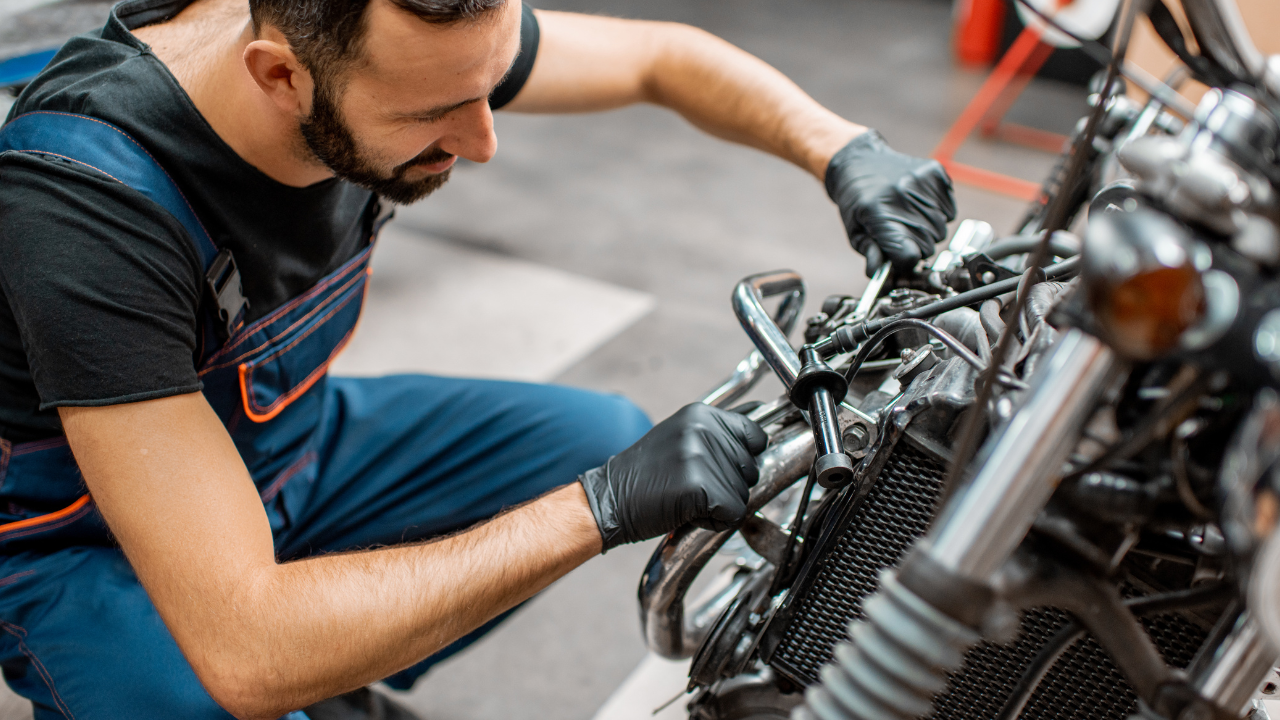
Fortunately, a thorough pre-trip inspection doesn't require advanced mechanical expertise. Most riders can perform a basic touring inspection with a systematic approach and a little preparation.
Why Pre-Trip Inspections Matter
Long-distance touring places unique demands on a motorcycle.
Extended riding days often involve:
-
Higher mileage
-
Changing weather conditions
-
Additional luggage weight
-
Remote roads
-
Increased fuel consumption
-
Continuous engine operation
Minor issues that may go unnoticed during everyday riding often become more significant during extended trips.
A pre-trip inspection helps riders identify potential problems before they leave home rather than after problems develop on the road.
Practical Inspection Areas Riders Should Check
Tires
Tires are among the most important components to inspect before a tour.
Check for:
-
Tread depth
-
Uneven wear
-
Cracks or damage
-
Embedded objects
-
Proper tire pressure
Many experienced riders start with tires because they directly affect safety, comfort, and handling.
Chain and Final Drive Components
For chain-driven motorcycles, inspect:
-
Chain tension
-
Lubrication
-
Signs of wear
-
Sprocket condition
If your motorcycle uses a shaft or belt drive system, check for signs of damage and follow manufacturer maintenance recommendations.
Fluids
Review all major fluid levels, including:
-
Engine oil
-
Coolant
-
Brake fluid
-
Clutch fluid (if applicable)
Leaks or unusually low fluid levels should be investigated before departure.
Brakes
Inspect both front and rear braking systems.
Look for:
-
Brake pad wear
-
Rotor condition
-
Brake-fluid levels
-
Unusual noises or vibration
Reliable braking performance becomes especially important when touring in mountainous or heavily loaded conditions.
Battery
A weak battery can cause major disruptions during a tour.
Check for:
-
Secure connections
-
Signs of corrosion
-
Reliable starting performance
If a battery is nearing the end of its service life, replacing it before a major trip may be worthwhile.
Lights and Electrical Systems
Verify that all lighting functions properly, including:
-
Headlights
-
Brake lights
-
Turn signals
-
Auxiliary lighting
Electrical problems are often easier to solve before departure than during a trip.
Suspension
Inspect suspension components for:
-
Leaks
-
Visible damage
-
Unusual wear
Additional luggage weight may also require suspension adjustments depending on the motorcycle.
Fasteners and Controls
Many riders perform a quick walk-around inspection to ensure:
-
Mirrors are secure
-
Controls operate smoothly
-
Footpegs are secure
-
Luggage mounts are tight
-
No obvious loose components exist
Small issues can become larger problems over long distances.
Gear and Tools That Help
Battery Maintenance Equipment
Products from companies such as Projecta can help riders test, charge, and maintain motorcycle batteries before departure.
Chain Maintenance Products
Brands such as Muc-Off offer cleaning and lubrication products that help riders maintain chain performance and longevity.
Touring Luggage Systems
Manufacturers such as Viking Bags provide luggage systems designed to securely carry clothing, tools, spare parts, and touring essentials.
GPS Navigation Equipment
Reliable navigation systems help riders identify fuel stations, workshops, and services if maintenance-related issues arise during a trip.
Communication Systems
Brands such as Cardo Systems help riders stay connected with travel companions and communicate quickly if roadside assistance becomes necessary.
Auxiliary Lighting
Products from companies such as DENALI Electronics can improve visibility and safety during long-distance travel, particularly in low-light conditions.
Advice from Experienced Touring Riders
Many veteran tourers develop personal inspection routines that they follow before every major trip.
Inspect the Motorcycle Early
Waiting until the night before departure can create unnecessary stress.
Many riders perform inspections several days in advance to allow time for repairs or replacement parts if needed.
Test Ride After Maintenance
If maintenance work is performed before a tour, a short test ride can help confirm everything is functioning properly.
Replace Questionable Components
Many experienced riders prefer replacing worn tires, batteries, or brake pads before a trip rather than hoping they'll last until the journey ends.
Don't Forget the Small Things
Minor items such as loose mirrors, worn grips, or damaged luggage straps can become surprisingly frustrating during long rides.
Carry Basic Tools
Even a well-maintained motorcycle can experience unexpected issues.
Many touring riders carry a small tool kit suited to their motorcycle and travel style.
Frequently Asked Questions
How far in advance should I inspect my motorcycle?
Many riders perform a detailed inspection several days before departure so any necessary repairs can be completed without rushing.
Do I need mechanical experience to perform a pre-trip inspection?
No. Most basic inspections involve visual checks and simple maintenance tasks that many riders can perform themselves.
What is the most important item to inspect?
Tires, brakes, fluids, and the drive system are often among the highest-priority areas because they directly affect safety and reliability.
Should I replace tires before a long trip?
If tire wear is approaching replacement limits, many experienced riders prefer starting a tour with fresh tires rather than replacing them during the journey.
Is a short test ride worthwhile?
Yes. A test ride can help identify issues that may not be obvious during a stationary inspection.
Related Tools and Resources
If you're preparing a motorcycle for long-distance touring, consider exploring:
-
Chain cleaning and lubrication products
-
Battery chargers and maintenance equipment
-
Touring luggage systems
-
GPS navigation equipment
-
Motorcycle communication systems
-
Auxiliary lighting upgrades
-
Tire maintenance tools
-
Emergency roadside gear
-
Motorcycle tool kits
These resources can help riders improve reliability and preparedness before heading out on the road.
Conclusion
A pre-trip motorcycle inspection is one of the simplest ways to improve the chances of a successful tour.
By checking tires, brakes, fluids, electrical systems, and other key components before departure, riders can identify potential issues early and reduce the risk of avoidable problems during the journey.
The goal isn't to guarantee a perfect trip. It's to give yourself the best possible chance of enjoying the road ahead with confidence, reliability, and peace of mind.
A few minutes of preparation before departure can save hours of frustration later.