Introduction
The first multi-day motorcycle tour feels different from any short ride. Even experienced riders can feel a level of uncertainty when they know they’ll be spending multiple days on the road, managing fatigue, weather changes, unfamiliar routes, and daily planning decisions.
That feeling is normal. Confidence in touring doesn’t come from ignoring uncertainty — it comes from preparing for it in a structured way.
The goal is not to eliminate every unknown. The goal is to make the unknown manageable.
Why Multi-Day Touring Feels Overwhelming at First
Most riders are used to short rides where:
- There is a clear starting and ending point
- Fatigue is limited
- Weather changes are easier to avoid
- Route decisions are simple
Multi-day touring introduces new layers:
- Daily fatigue accumulation
- Constant environmental changes
- Route planning decisions each day
- Responsibility for gear, fuel, and timing
- Mental load of long-term travel
This shift is what creates hesitation — not lack of riding ability.
Step 1: Start With Realistic Distance Goals
One of the biggest confidence mistakes is planning too much distance too soon.
For first tours:
- Shorter daily riding distances are better
- More time should be allocated for breaks
- Flexibility is more important than speed
A manageable pace allows riders to build confidence gradually instead of feeling rushed or overwhelmed.
Step 2: Practice Before the Trip
Confidence increases significantly when riders simulate touring conditions before the actual trip.
This can include:
- Full-day rides with loaded luggage
- Riding in varied weather conditions
- Practicing fuel stops and navigation changes
- Testing gear for comfort over several hours
These experiences reduce uncertainty because they turn “unknowns” into familiar situations.
Step 3: Learn Your Comfort Limits
Every rider has a comfort threshold for:
- Hours in the saddle
- Temperature tolerance
- Wind exposure
- Mental focus duration
Understanding these limits before the trip helps prevent overextension.
Confidence comes from knowing when to stop, not just when to continue.
Step 4: Simplify Early Trip Planning
Overplanning is a common source of anxiety.
For first tours:
- Keep daily routes simple
- Avoid overly complex detours
- Prioritize reliable roads over scenic complexity
- Reduce decision-making pressure
Simplicity creates mental space for riding itself.
Step 5: Prepare for Small Problems, Not Perfect Conditions
Confidence grows when riders expect minor challenges rather than perfect conditions.
Common manageable issues include:
- Weather changes
- Slight route delays
- Small comfort adjustments
- Navigation corrections
The key is understanding that these are normal parts of touring — not failures in planning.
Step 6: Build a Predictable Routine
Routine reduces mental load during multi-day trips.
A simple touring routine might include:
- Morning gear check
- Fuel and hydration stops at consistent intervals
- Scheduled rest breaks
- Evening bike and gear check
Predictability reduces stress and builds confidence over time.
Step 7: Trust Your Equipment (After Testing It)
Confidence is directly linked to equipment familiarity.
Before the trip:
- Test all gear under real riding conditions
- Ensure luggage is balanced and stable
- Confirm communication systems work properly
- Adjust seating and ergonomics if needed
Unfamiliar gear creates hesitation. Familiar gear builds trust.
Gear That Supports First-Time Touring Confidence
Communication systems
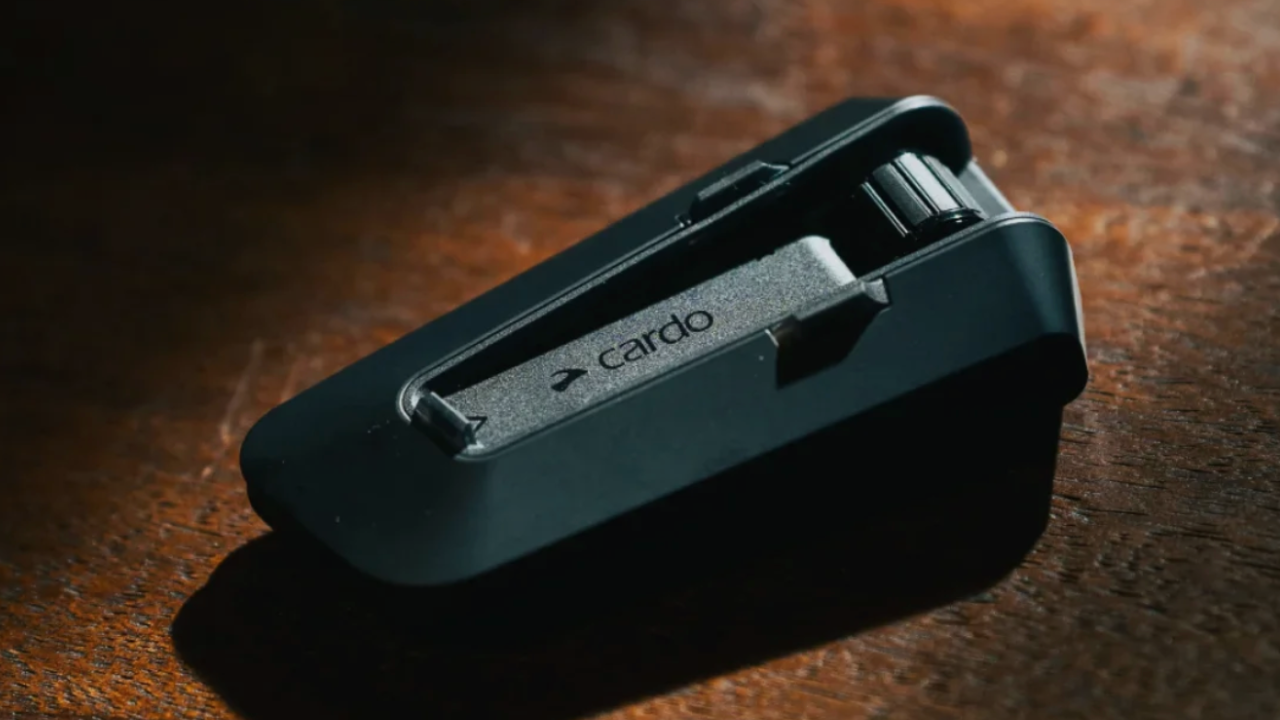
Staying connected and oriented improves confidence, especially on longer rides. Systems from Cardo Systems help riders manage navigation and communication without distraction.
Luggage and load stability
Proper weight distribution reduces handling uncertainty. Touring systems from Viking Bags help stabilize load and improve predictability on the road.
Comfort and fatigue management gear
Comfort plays a major role in confidence. Apparel systems from Alpinestars help reduce fatigue so riders can maintain focus over longer periods.
Mental Approach to First Tours
Confidence is not built by feeling certain — it is built by staying calm in uncertain situations.
Key mindset shifts:
- Expect adjustment, not perfection
- Focus on one day at a time
- Treat each ride as experience building
- Avoid comparing to experienced touring riders
The goal is progression, not performance.
Real-World First Tour Scenario
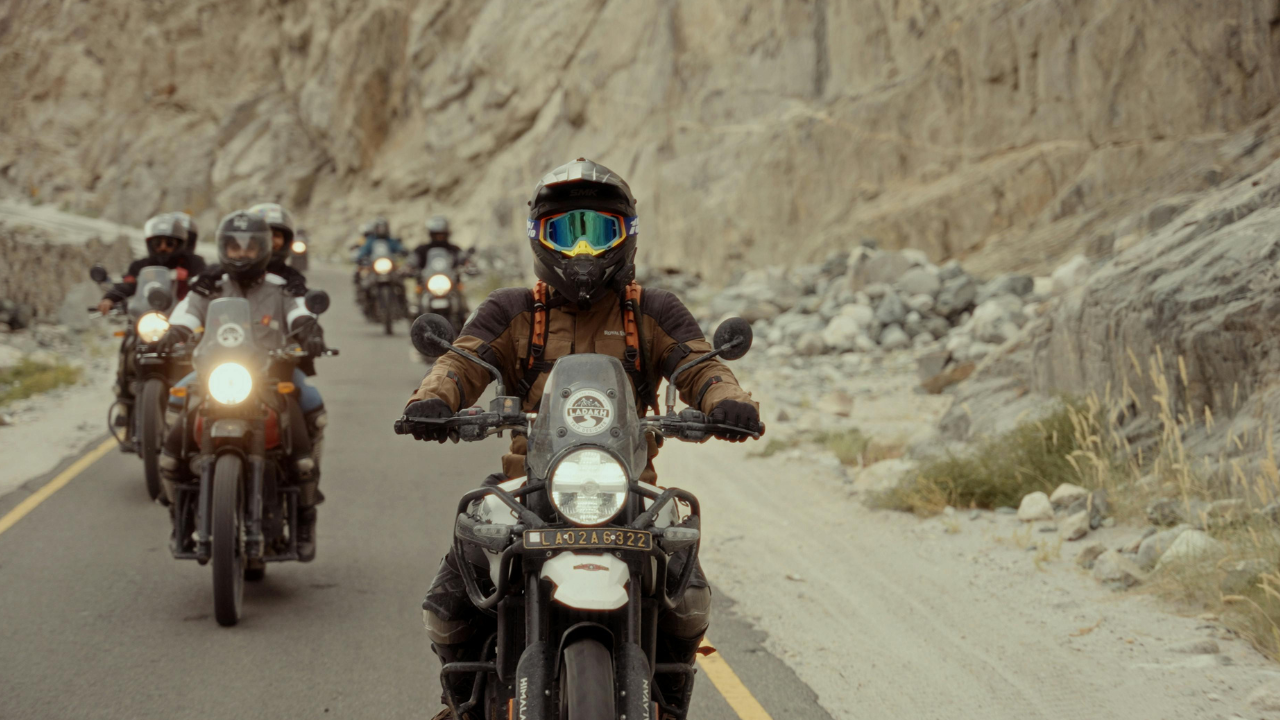
A rider sets out on a three-day coastal trip.
Day 1:
- Initial nerves at departure
- Slight overchecking of gear
- Conservative riding pace
Day 2:
- Increased comfort with routine
- Better understanding of bike handling
- Improved decision-making
Day 3:
- Natural rhythm established
- Reduced mental load
- Confidence built through repetition
This progression is normal and expected.
Common Mistakes New Touring Riders Make
- Planning too much distance per day
- Overpacking unnecessary gear
- Changing plans too frequently
- Ignoring fatigue signals
- Riding too cautiously or too aggressively due to nerves
- Not trusting preparation
Most issues come from uncertainty management, not riding skill.
Frequently Asked Questions
How long should my first motorcycle tour be?
A short 2–4 day trip is ideal for building experience without overwhelming fatigue.
Is it normal to feel nervous before a first tour?
Yes. Almost all riders experience some level of uncertainty before their first multi-day ride.
What is the most important factor in building confidence?
Preparation and familiarity with your bike, gear, and daily riding limits.
Should I travel alone or with others?
Either is fine, but solo travel often builds confidence faster due to independent decision-making.
Conclusion
Confidence for a first multi-day motorcycle tour is not something that appears before the trip — it develops during it. The key is preparation, simplicity, and realistic expectations.
When riders focus on manageable distances, tested gear, and predictable routines, uncertainty becomes easier to handle. Over time, each day on the road builds familiarity, and confidence becomes a natural outcome of experience rather than a precondition for starting.