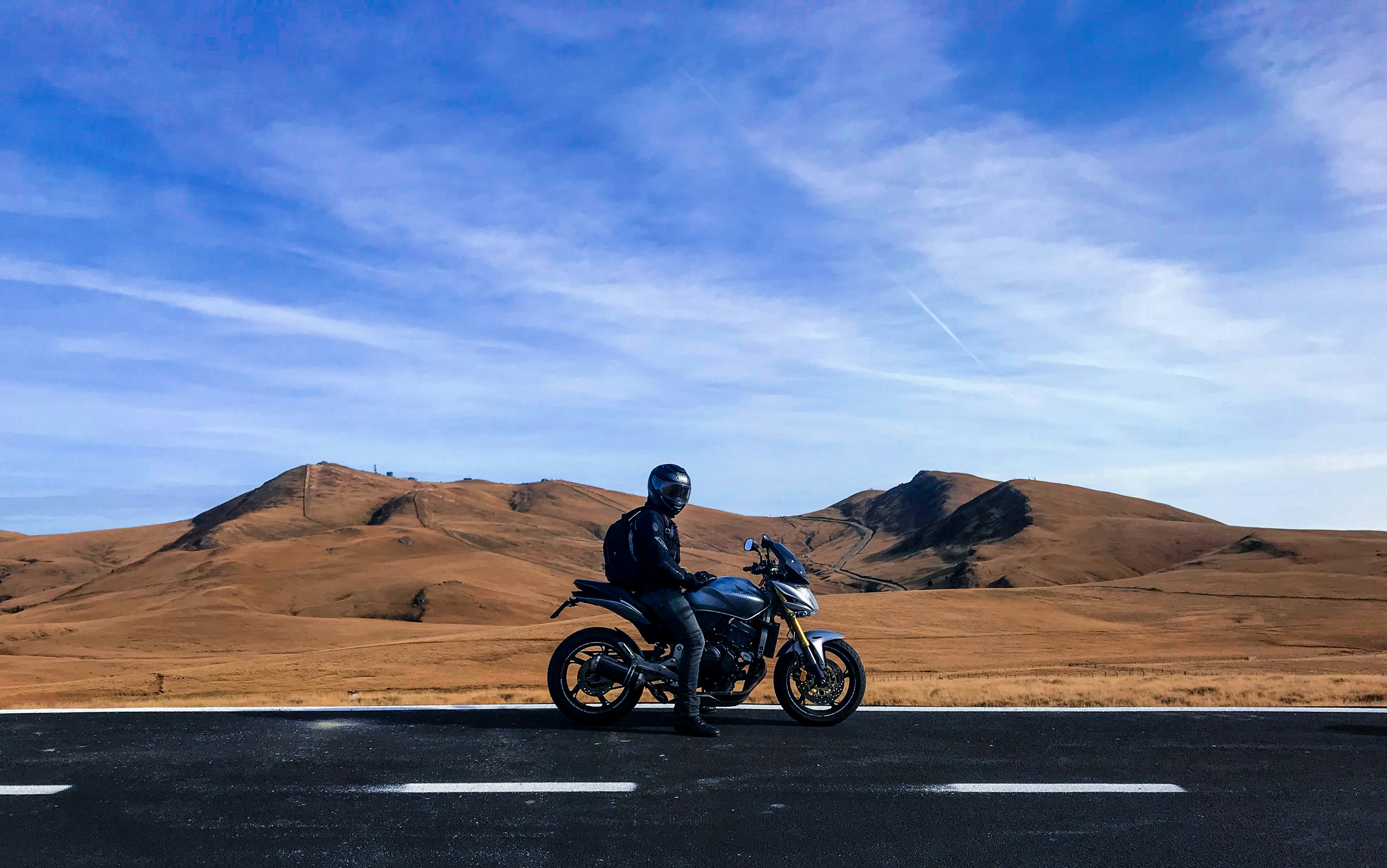
Introduction
Desert riding looks simple from a distance.
Long open roads. Big skies. Endless horizons. Minimal traffic.
But once you’re in it, desert touring becomes something very different. Heat builds quickly, hydration becomes a constant concern, and long stretches between services can turn minor issues into real problems.
For motorcycle tourers, desert regions are both beautiful and demanding. They reward preparation and punish guesswork. A well-planned ride feels smooth and expansive. A poorly prepared one can become exhausting long before the day is over.
Understanding how desert conditions affect both rider and machine is essential for safe long-distance touring.
Why Desert Riding Feels More Intense Than Expected
The challenge of desert riding isn’t just temperature—it’s exposure.
Unlike mountain or forest routes, deserts offer very little:
- Shade
- Shelter
- Cooling opportunities
- Frequent stops
Even moderate heat becomes amplified because there is no relief from the environment.
Riders often underestimate how quickly fatigue builds under these conditions. The combination of heat, wind, and vibration creates a steady drain on concentration and physical energy.
Heat and Its Effect on Rider Performance
Heat is the defining factor in desert touring.
As temperatures rise, the body begins to:
- Sweat more to regulate temperature
- Lose fluids and electrolytes
- Experience slower reaction times
- Fatigue more quickly
This affects riding in subtle but important ways:
- Slower decision-making
- Reduced focus on road hazards
- Increased irritability
- Physical stiffness
Unlike cold weather, where discomfort is obvious, heat can quietly degrade performance before the rider realizes it.
Hydration: The Most Important Factor in Desert Touring
Hydration is not optional in desert environments—it is essential planning.
Many riders underestimate how much fluid they lose while riding in heat because airflow makes sweating less noticeable.
Common hydration mistakes include:
- Drinking only when thirsty
- Relying on fuel stops for water
- Not carrying enough capacity
- Forgetting electrolytes
By the time thirst is noticeable, dehydration has already begun.
A better approach is consistent intake throughout the ride, even before symptoms appear.
Wind Exposure and Constant Drying Effect
Desert winds create a unique challenge.
Even when temperatures are high, wind:
- Increases dehydration
- Accelerates fatigue
- Masks sweat loss
- Adds physical resistance
The combination of heat and airflow can trick the body into underestimating fluid loss.
This is one of the reasons desert riders often feel unexpectedly exhausted after relatively short riding segments.
Limited Services Between Stops
One of the most important planning considerations in desert touring is distance between services.
In many desert regions, fuel stations and rest stops may be:
- Far apart
- Unpredictable in hours
- Minimal in facilities
- Shared with small rural communities
This makes planning critical.
Running low on fuel or water in a desert environment is far more serious than in populated areas.
Riders should always assume longer gaps between services than maps suggest.
Motorcycle Heat Management
Motorcycles also feel the strain of desert conditions.
Key concerns include:
- Engine heat buildup
- Tire pressure changes due to temperature
- Battery strain in extreme heat
- Reduced cooling efficiency in slow traffic
Even brief stops can feel significantly hotter due to heat radiating from the bike.
Proper maintenance before entering desert regions is essential to avoid preventable issues.
Gear Choices for Desert Riding
The right gear makes a major difference in comfort and safety.
Effective desert touring gear often includes:
- Ventilated riding jackets
- Light, breathable layers
- UV protection
- Moisture-wicking base layers
Luggage systems also matter. Riders need stable, heat-resistant storage that won’t shift under vibration.
Touring luggage solutions from brands such as Viking Bags help riders organize hydration supplies, tools, and extra layers efficiently while maintaining stability in high-heat conditions.
Planning Water and Fuel Stops
A key rule in desert touring is never to rely on the next stop being available.
Smart planning includes:
- Refilling water at every opportunity
- Carrying extra fuel when possible
- Identifying backup stops along the route
- Avoiding “just enough” calculations
Small planning buffers create significant safety margins in desert environments.
Managing Fatigue in Heat
Fatigue in desert riding builds gradually but steadily.
Contributing factors include:
- Dehydration
- Constant sun exposure
- Mental focus under heat stress
- Reduced airflow inside helmets at low speeds
Unlike technical riding, where fatigue spikes quickly, desert fatigue accumulates quietly over time.
Regular short breaks in shaded areas can significantly improve endurance and focus.
Visibility Challenges in Desert Environments
Desert visibility introduces its own challenges:
- Heat shimmer on the road surface
- Dust from passing vehicles
- Bright sunlight glare
- Low contrast between road and landscape
These factors can make it harder to judge distance and road conditions.
Proper visor use and eye protection become essential for safe riding.
Emergency Preparedness in Remote Areas
Desert regions often have limited access to emergency services.
This makes self-sufficiency important.
Riders should consider:
- Basic repair tools
- Tire repair kits
- Emergency communication options
- Extra water storage
Battery and power systems from NOCO are often used by touring riders to maintain reliable power for navigation and emergency charging when services are far apart.
Preparedness is not about carrying everything—it’s about carrying the right essentials.
Riding Technique Adjustments for Desert Roads
Desert roads are often long, straight, and exposed.
Riders benefit from:
- Smooth throttle control to reduce fatigue
- Relaxed posture to prevent tension buildup
- Regular micro-adjustments in seating position
- Avoiding over-gripping handlebars
These small adjustments reduce physical strain over long distances.
When to Slow Down or Stop
Heat can change conditions faster than riders expect.
It is important to stop when:
- Dizziness or lightheadedness appears
- Hydration has been neglected for too long
- Fatigue reduces focus
- Weather becomes excessively hot without relief
In desert environments, stopping early is often the safer decision.
Advice from Experienced Desert Riders
Experienced riders often emphasize one key principle:
Desert touring is about rhythm, not endurance.
They focus on:
- Staying ahead of hydration
- Riding steadily instead of aggressively
- Planning conservative fuel stops
- Respecting heat as a constant factor
Many riders learn that success in desert touring is less about skill and more about consistency.
Frequently Asked Questions
Is desert motorcycle touring safe?
Yes, with proper preparation, hydration planning, and awareness of long distances between services.
What is the biggest risk in desert riding?
Dehydration and heat exhaustion are the most common risks.
How much water should I carry?
Enough to last significantly longer than your planned route segment, with additional backup if possible.
Do motorcycles overheat in deserts?
They can, especially in slow traffic or stop-and-go conditions. Proper maintenance reduces risk.
Is desert riding harder than mountain riding?
It is different. Desert riding is physically draining due to heat, while mountain riding is more technically demanding.
Related Tools and Resources
Riders preparing for desert tours may also benefit from:
- Hydration planning guides
- Weather and temperature tracking tools
- Motorcycle comfort upgrades
- Fuel management strategies
- Emergency preparedness kits
- Navigation systems for remote areas
- Touring luggage organization systems
These tools help maintain safety and endurance in extreme environments.
Conclusion
Desert motorcycle touring offers some of the most visually striking and peaceful riding experiences available—but it also demands respect.
Heat, hydration, distance, and exposure all combine to create a unique riding environment that rewards preparation and punishes oversight.
With proper planning, steady pacing, and attention to hydration and fuel, desert routes become not just manageable—but deeply rewarding parts of any long-distance motorcycle journey.