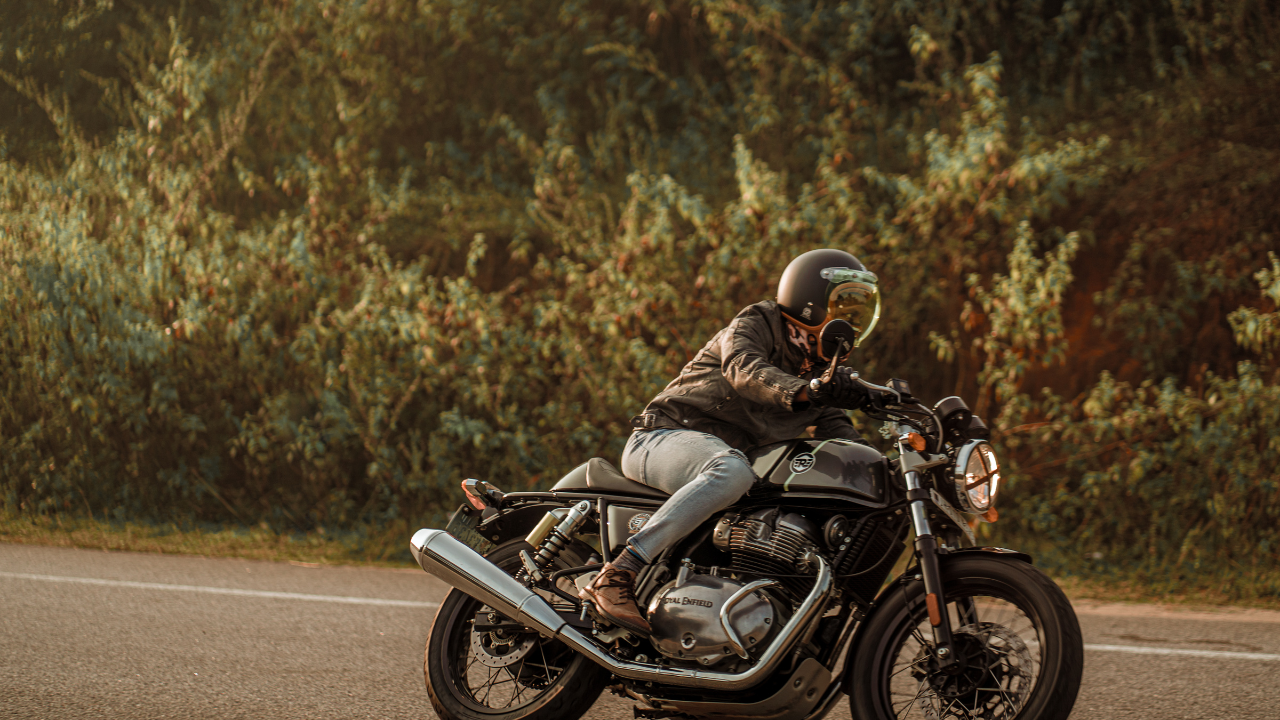
Few things can ruin a great day of motorcycle touring faster than aching hands.
What starts as mild discomfort can gradually turn into sore wrists, tired forearms, numb fingers, and a constant urge to shake your hands out at every stop. For some riders, hand grip fatigue becomes one of the biggest limiting factors during long-distance travel.
The frustrating part is that many riders assume this discomfort is simply part of riding. In reality, hand fatigue is often caused by a combination of riding habits, posture, motorcycle setup, and equipment choices.
The good news is that small adjustments can often make a noticeable difference. Understanding why hand grip fatigue happens is the first step toward making long touring days far more comfortable.
Why Hand Grip Fatigue Happens
Your hands perform several important tasks while riding.
They're responsible for steering inputs, throttle control, braking, clutch operation, and helping stabilize your upper body. During a long ride, these small demands add up.
Gripping the Handlebars Too Tightly
One of the most common causes of hand fatigue is excessive grip pressure.
Many riders unintentionally squeeze the handlebars harder than necessary, particularly when:
-
Riding at highway speeds
-
Navigating unfamiliar roads
-
Riding in poor weather
-
Feeling tired later in the day
This constant tension causes the muscles in the hands and forearms to work continuously, leading to fatigue.
Poor Riding Posture
When too much body weight rests on the handlebars, the hands end up supporting more than they should.
This often creates:
-
Wrist discomfort
-
Hand numbness
-
Forearm fatigue
-
Shoulder tension
A proper riding posture allows your core and lower body to support most of your weight instead.
Motorcycle Vibration
Vibration transmitted through the handlebars can contribute to tingling fingers and hand numbness during extended rides.
The effect may be subtle at first but often becomes more noticeable after several hours on the road.
Repetitive Throttle Use
Holding the throttle in a similar position for long periods can fatigue the muscles of the hand and wrist.
This is especially common during long highway sections where riders maintain a steady speed for extended periods.
Poorly Fitted Gloves
Gloves that are too tight can restrict circulation and increase pressure points.
Conversely, gloves that are too loose may require riders to grip harder to maintain control.
Practical Solutions Riders Use
Relax Your Grip
Many experienced touring riders discover that they can safely ride with a much lighter grip than they initially thought.
A relaxed grip helps reduce tension throughout the hands, wrists, forearms, and shoulders.
Periodically checking yourself during a ride can help identify unnecessary tension.
Support Your Body Properly
Good posture reduces the amount of weight placed on the handlebars.
By engaging your core and maintaining a balanced riding position, you can significantly reduce strain on your hands.
Change Hand Position Occasionally
Small position changes can improve circulation and reduce fatigue.
Many riders adjust their grip slightly during straight road sections to prevent stiffness from developing.
Take Short Breaks
Even brief stops can help relieve hand fatigue.
Stretching your fingers, wrists, and forearms during fuel stops often helps restore comfort before discomfort becomes a bigger issue.
Keep Your Motorcycle Maintained
Excessive vibration may sometimes be linked to maintenance issues.
Checking items such as tire balance, tire pressure, wheel alignment, and drivetrain condition can help improve overall riding comfort.
Gear and Tools That Help
Ergonomic Grips
Many touring riders install ergonomic grips designed to provide additional comfort and reduce pressure on the hands.
Different grip materials and shapes can improve comfort depending on individual preferences.
Throttle Assist Devices
Throttle assist accessories help reduce the effort required to maintain speed on long highway stretches.
These devices can lessen strain on the throttle hand during extended rides.
Touring Gloves
A well-fitted pair of touring gloves can make a significant difference in long-distance comfort.
Features riders often look for include:
-
Proper fit
-
Strategic padding
-
Breathable materials
-
Weather protection
Bar-End Weights
Bar-end weights can help reduce some handlebar vibration, potentially improving comfort during long rides.
Communication Systems
Brands such as Cardo Systems allow riders to receive navigation instructions, communicate with fellow riders, and access information without constantly manipulating devices while riding.
Touring Luggage
Manufacturers such as Viking Bags offer luggage systems that allow riders to carry extra gloves, hand warmers, maintenance supplies, and other comfort-related equipment.
Power Management Systems
Products from companies such as Projecta can help riders keep communication devices, navigation equipment, and charging systems functioning throughout extended tours.
Advice from Experienced Touring Riders
Many veteran touring riders eventually realize that hand fatigue is often a symptom of a broader comfort issue rather than a problem with the hands alone.
Evaluate Your Entire Riding Position
The source of hand discomfort may actually be your:
-
Seat position
-
Handlebar reach
-
Wind protection
-
Core engagement
Looking at the complete riding setup often produces better results than focusing on the hands alone.
Address Problems Early
If your hands begin feeling tired after only an hour or two, it's worth investigating before a major tour.
Small comfort issues tend to become much larger during multi-day rides.
Practice Staying Relaxed
Many riders unconsciously tense up when traffic increases or conditions become challenging.
Developing the habit of periodically relaxing your shoulders, arms, and grip can improve comfort throughout the day.
Test Equipment Before Long Trips
New grips, gloves, or accessories should always be tested on shorter rides before relying on them during a major tour.
Comfort is highly personal, and what works for one rider may not work for another.
Build Riding Endurance Gradually
Long-distance comfort often improves with experience.
Gradually increasing ride duration allows riders to identify and solve comfort issues before tackling ambitious touring routes.
Frequently Asked Questions
Is hand grip fatigue common during motorcycle touring?
Yes. Many riders experience some level of hand fatigue, particularly during long highway rides or multi-day tours.
Why do my fingers go numb while riding?
Numbness is often caused by a combination of grip pressure, vibration, posture, and prolonged time in one position.
Can hand fatigue be reduced without buying new gear?
Often, yes. Improving posture, relaxing your grip, taking regular breaks, and adjusting riding habits can provide significant improvements.
Should I squeeze the handlebars tightly for better control?
No. Most riders can maintain excellent control with a relatively relaxed grip. Excessive tension often contributes to fatigue without improving control.
What should riders try first?
Start by evaluating grip pressure and riding posture before purchasing accessories. These adjustments are often free and highly effective.
Related Tools and Resources
If you're looking to improve hand comfort during long rides, consider exploring:
-
Ergonomic grips
-
Touring gloves
-
Throttle assist devices
-
Handlebar accessories
-
Motorcycle communication systems
-
Touring luggage systems
-
Battery charging equipment
-
GPS navigation systems
-
Comfort-focused touring accessories
These categories can help create a more comfortable and enjoyable riding experience.
Conclusion
Hand grip fatigue is one of the most common complaints among long-distance motorcycle riders, but it doesn't have to be accepted as part of the experience.
In many cases, the causes are surprisingly simple: gripping too tightly, supporting too much weight with your hands, riding with poor posture, or spending hours in the same position.
By making small adjustments, maintaining a relaxed riding style, and choosing equipment that supports comfort, you can dramatically reduce fatigue and enjoy longer days in the saddle.
Sometimes the biggest improvements come from the smallest changes.