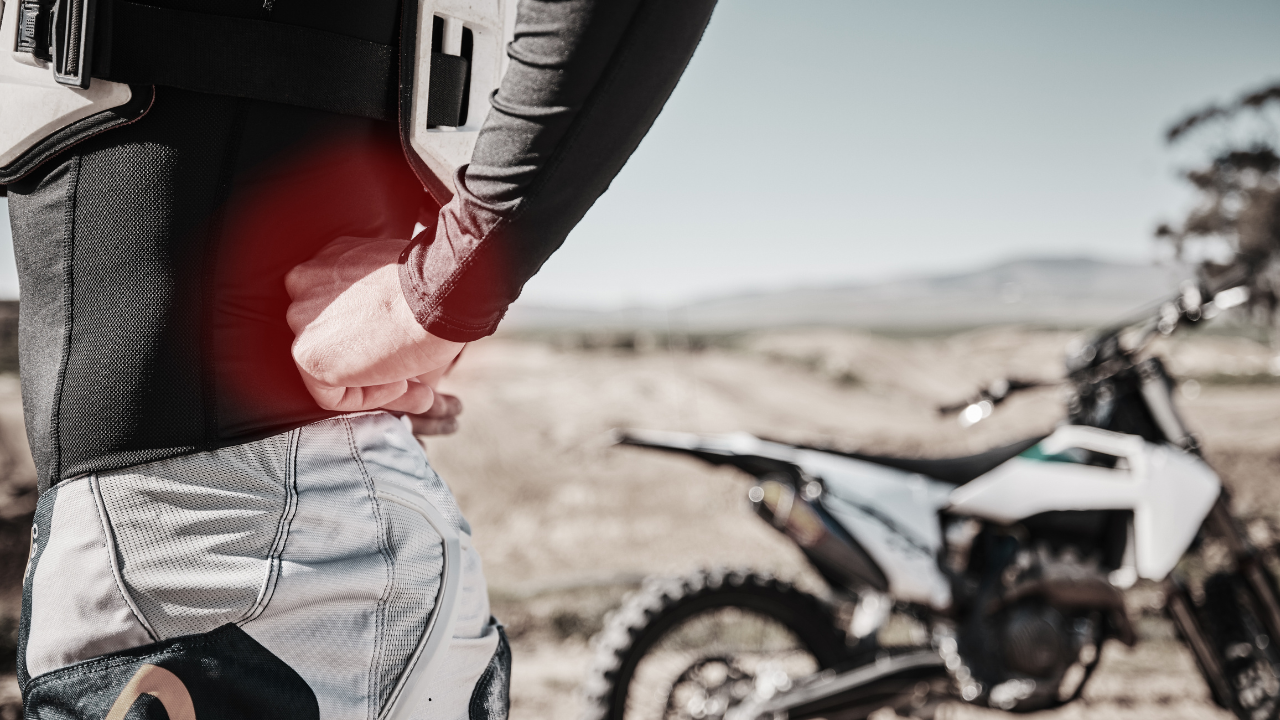
At the start of a motorcycle tour, you feel fresh, the weather is perfect, and the road ahead looks promising. But a few hours later, your neck feels stiff, your shoulders are tight, your lower back aches, and you're constantly shifting around in the seat trying to get comfortable.
If that sounds familiar, you're not alone.
Long-distance motorcycle fatigue isn't always caused by lack of fitness or experience. In many cases, the real culprit is riding posture.
Small posture issues that go unnoticed during short rides can become major sources of discomfort after several hours on the road. Over time, poor positioning can increase fatigue, reduce concentration, and make a ride feel much longer than it actually is.
The good news is that many posture-related problems can be improved with simple adjustments and a better understanding of how your body interacts with your motorcycle.
Why Riding Posture Causes Fatigue
When you spend hours in the same position, your muscles work continuously to support your body.
If your riding posture places unnecessary strain on certain muscle groups, fatigue begins to build much faster.
Several factors commonly contribute to long-distance discomfort.
Excessive Weight on the Wrists
Many riders unintentionally lean too much of their upper-body weight onto the handlebars.
Over time, this can lead to:
- Wrist discomfort
- Hand numbness
- Forearm fatigue
- Shoulder tension
Ideally, your core and lower body should support most of your weight rather than your hands.
Poor Back Position
A slouched riding position can place additional stress on the lower back and shoulders.
Even a slight forward hunch can become exhausting after several hours, especially when combined with wind pressure and road vibration.
Neck Strain
Touring riders spend long periods scanning the road ahead, checking mirrors, and monitoring traffic.
If your helmet position, windscreen setup, or riding posture forces your neck into an unnatural angle, fatigue can develop surprisingly quickly.
Restricted Leg Position
Footpeg placement and seat height play a significant role in rider comfort.
When your knees remain bent at an uncomfortable angle for extended periods, circulation and flexibility can be affected, leading to stiffness and discomfort.
Fighting the Wind
At highway speeds, wind pressure constantly pushes against your body.
Poor posture often forces riders to resist this pressure using their arms and shoulders, increasing fatigue throughout the day.
Practical Solutions Riders Use
Engage Your Core
Experienced touring riders often focus on supporting their upper body through their core muscles rather than relying on their arms.
This reduces pressure on the wrists and allows for a more relaxed grip on the handlebars.
Relax Your Grip
Many riders hold the handlebars tighter than necessary, especially when tired.
A lighter grip can reduce tension in the hands, wrists, forearms, and shoulders.
Adjust Your Position Regularly
Even a good riding posture can become uncomfortable after several hours.
Many touring riders make small position changes throughout the day to reduce stiffness and improve circulation.
Take Strategic Breaks
Regular stops help prevent fatigue from accumulating.
Short breaks every couple of hours allow riders to:
- Stretch muscles
- Improve circulation
- Reduce stiffness
- Reset posture
Often, a five-minute stop can make the next hour of riding significantly more comfortable.
Evaluate Motorcycle Ergonomics
Handlebar position, seat design, footpeg placement, and wind protection all influence posture.
Small ergonomic adjustments can sometimes provide dramatic improvements in comfort during long rides.
Gear and Tools That Help
Touring Seats
Seat comfort plays a major role in maintaining proper posture.
Many touring riders upgrade to aftermarket touring seats that provide improved support during extended rides.
Handlebar Risers
Handlebar risers can help some riders achieve a more natural upper-body position by reducing excessive forward reach.
Highway Pegs and Foot Positioning Accessories
These accessories allow riders to change leg positions periodically, helping reduce stiffness during long highway sections.
Ergonomic Grips
Comfort-focused grips can reduce hand fatigue and help riders maintain a relaxed hold on the handlebars.
Communication Systems
Brands such as Cardo Systems allow riders to receive navigation instructions and communicate without repeatedly looking down at devices, helping maintain a more natural riding position.
Touring Luggage Systems
Luggage manufacturers such as Viking Bags offer storage solutions that help riders carry hydration systems, extra layers, and comfort-related accessories for long journeys.
Auxiliary Lighting
Products from companies such as DENALI Electronics can improve visibility during early morning or evening rides, reducing the strain that often comes from trying to spot hazards in low-light conditions.
Advice from Experienced Touring Riders
Many veteran touring riders discover that comfort comes from dozens of small improvements rather than a single expensive upgrade.
Fix Small Problems Early
A minor discomfort during a one-hour ride often becomes a major annoyance during an eight-hour ride.
Pay attention to small aches before they become recurring problems.
Build Endurance Gradually
Just as athletes build fitness over time, riders can gradually increase their tolerance for longer days in the saddle.
Increasing ride duration progressively often reveals posture issues before a major tour.
Stretch Before and After Riding
Simple mobility exercises can improve flexibility and reduce stiffness throughout multi-day trips.
Many experienced riders incorporate stretching into their morning and evening routines while touring.
Test Changes Before Big Trips
If you're considering a new seat, handlebar adjustment, or ergonomic accessory, test it before a major journey.
What feels comfortable in the garage doesn't always feel comfortable after six hours on the road.
Stay Hydrated
Fatigue isn't always caused by posture alone.
Dehydration can amplify muscle tension and make existing discomfort feel much worse during long rides.
Frequently Asked Questions
Is riding posture really that important for touring?
Yes. Poor posture can contribute significantly to fatigue, discomfort, and reduced concentration during long-distance rides.
Why do my hands go numb on long rides?
Hand numbness is often caused by a combination of vibration, grip pressure, and excessive weight being placed on the handlebars.
Can I improve comfort without buying new gear?
Often, yes. Adjusting your riding position, relaxing your grip, taking regular breaks, and improving flexibility can make a noticeable difference.
What should riders try first?
Start by evaluating your posture, grip pressure, and riding position before purchasing accessories. Small adjustments often provide significant improvements.
Do experienced riders still get fatigued?
Absolutely. Experience helps riders manage fatigue more effectively, but even veteran touring riders benefit from good posture, regular breaks, and proper preparation.
Related Tools and Resources
If you're looking to improve comfort on long-distance motorcycle tours, consider exploring:
- Touring seats
- Ergonomic grips
- Handlebar risers
- Highway pegs
- Motorcycle communication systems
- Touring luggage systems
- Auxiliary lighting upgrades
- Hydration systems
- GPS navigation equipment
These categories can help riders create a more comfortable and sustainable touring setup.
Conclusion
Long-distance motorcycle fatigue is often influenced by something riders overlook every day: posture.
The way you sit, support your body, hold the handlebars, and position yourself against the wind can have a major impact on comfort over hundreds of kilometres.
By making thoughtful adjustments, taking regular breaks, and addressing small discomforts before they become bigger problems, you can significantly improve your touring experience.
A comfortable rider is often a safer rider—and a rider who can spend more time enjoying the journey ahead.