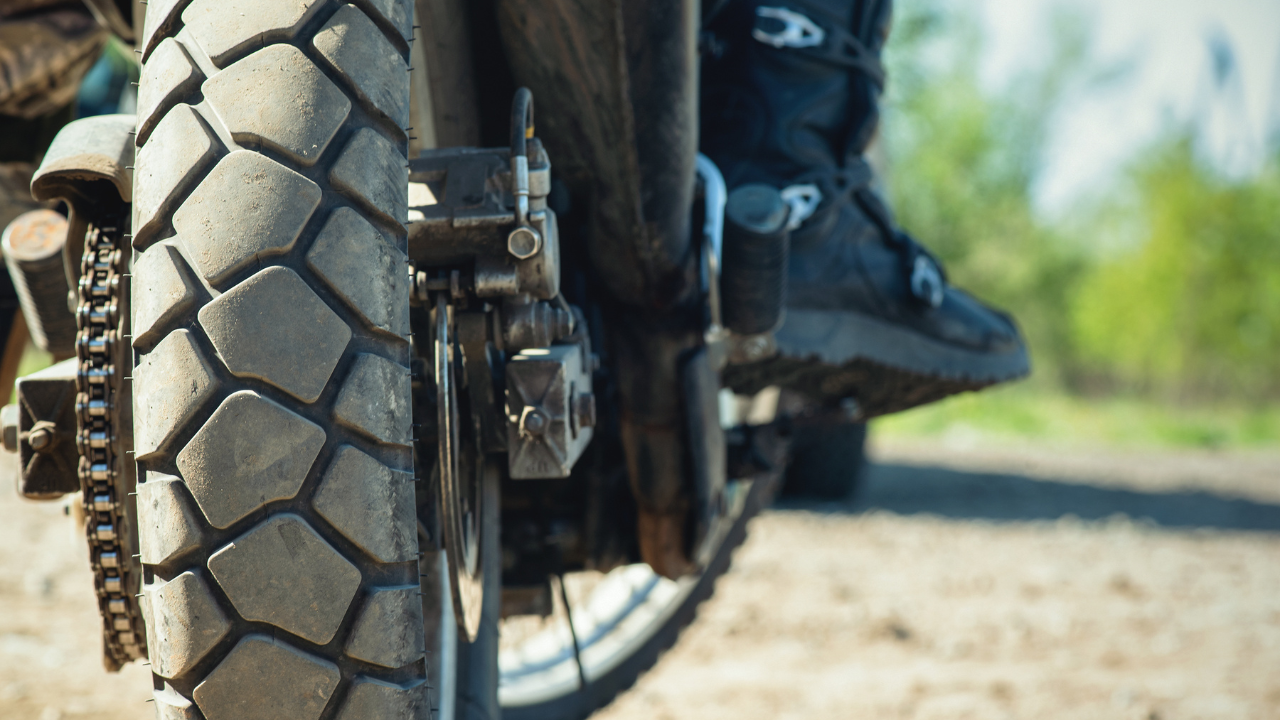
Most riders know that worn-out tires should be replaced.
What many riders don't realize is that tire condition isn't just about tread depth. The way a tire wears can reveal valuable information about how a motorcycle is performing and whether potential safety issues are developing.
During long-distance touring, tires endure thousands of kilometres of varying road surfaces, weather conditions, speeds, and loads. Over time, these factors create wear patterns that can affect handling, braking performance, rider confidence, and overall safety.
Learning to recognize common tire wear patterns can help riders identify problems early and make more informed decisions before a minor issue becomes a significant concern.
Why Tire Wear Matters on Long Tours
Tires are the only part of a motorcycle that maintains direct contact with the road.
Every aspect of riding depends on them, including:
-
Braking
-
Cornering
-
Acceleration
-
Stability
-
Traction
-
Rider confidence
As tire wear increases, performance gradually changes.
Uneven or abnormal wear can make those changes occur more quickly and may indicate underlying issues that deserve attention.
For touring riders, who often spend long hours on unfamiliar roads, maintaining healthy tires is one of the simplest ways to improve safety and comfort.
Common Tire Wear Patterns and Their Causes
Center Wear
Center wear occurs when the middle section of the tire wears faster than the edges.
This is particularly common among touring riders because long-distance travel often involves:
-
Extended highway riding
-
Consistent speeds
-
Upright riding positions
Some center wear is normal over time, but excessive wear can reduce tire lifespan and affect wet-weather performance.
Shoulder Wear
Shoulder wear appears along the outer edges of the tire.
This is more common on motorcycles that spend significant time riding:
-
Curvy roads
-
Mountain routes
-
Technical touring roads
In many cases, moderate shoulder wear simply reflects riding conditions rather than a problem.
Cupping or Scalloping
Cupping creates an uneven pattern of high and low spots around the tire.
Possible contributing factors include:
-
Suspension issues
-
Tire imbalance
-
Improper tire pressure
-
Aggressive braking
-
Road conditions
Riders may notice increased vibration or changes in handling when cupping develops.
Uneven Side-to-Side Wear
Sometimes one side of the tire wears faster than the other.
Possible causes include:
-
Road camber
-
Frequent riding on similar types of roads
-
Suspension alignment issues
Minor differences are often normal, but significant imbalance may deserve further investigation.
Flat Spotting
Flat spots occur when a section of the tire wears more rapidly than surrounding areas.
Long highway journeys and extended upright riding can contribute to this pattern.
Flat spots can affect handling and make cornering feel less predictable.
Practical Solutions Riders Use
Inspect Tires Regularly
Many experienced touring riders inspect their tires before departure and throughout the trip.
Regular inspections help identify:
-
Uneven wear
-
Damage
-
Embedded debris
-
Pressure-related issues
Early detection often prevents larger problems later.
Maintain Proper Tire Pressure
Incorrect tire pressure is one of the most common contributors to abnormal tire wear.
Checking pressures regularly can help improve:
-
Tire longevity
-
Fuel efficiency
-
Handling
-
Rider comfort
Adjust for Touring Loads
Additional luggage and passenger weight may require pressure adjustments according to manufacturer recommendations.
Ignoring load-related requirements can accelerate tire wear.
Monitor Suspension Performance
Suspension problems sometimes contribute to unusual tire wear patterns.
If wear appears abnormal, suspension settings and component condition may be worth evaluating.
Replace Tires Before They Become a Concern
Many experienced touring riders prefer replacing tires before a major trip if significant wear is already present.
Starting a tour with healthy tires often provides greater peace of mind.
Gear and Tools That Help
Tire Pressure Monitoring Tools
Accurate pressure gauges and monitoring systems help riders maintain proper tire pressures throughout a tour.
Touring Luggage Systems
Manufacturers such as Viking Bags offer luggage solutions designed to distribute weight effectively and help riders carry equipment without overloading the motorcycle.
GPS Navigation Equipment
Navigation systems can help riders locate tire service centres, dealerships, and repair facilities when maintenance becomes necessary during a trip.
Communication Systems
Brands such as Cardo Systems allow riders to stay connected with travel companions and coordinate assistance if tire-related issues occur.
Auxiliary Lighting
Products from companies such as DENALI Electronics can improve visibility and safety if tire inspections or repairs affect travel schedules.
Power Management Equipment
Companies such as Projecta provide charging and power-management solutions that help riders keep navigation and communication devices functioning throughout long journeys.
Advice from Experienced Touring Riders
Many veteran riders consider tire inspections one of the most important parts of touring preparation.
Learn What Normal Wear Looks Like
Not every wear pattern indicates a problem.
Understanding the difference between normal touring wear and abnormal wear helps riders make better decisions.
Don't Focus Only on Tread Depth
Tread depth matters, but wear patterns can reveal important information long before the tire reaches its replacement limit.
Check Tires During Fuel Stops
Many riders develop the habit of quickly inspecting tires while refuelling.
This only takes a few moments and can help identify developing issues.
Consider the Entire Touring Season
A tire that appears adequate before departure may wear much faster than expected during a busy touring season.
Plan accordingly.
Listen to Handling Changes
Motorcycles often communicate tire-related issues through changes in steering feel, stability, vibration, or cornering behaviour.
Paying attention to these signals can help identify problems early.
Frequently Asked Questions
What is the most common tire wear pattern on touring motorcycles?
Center wear is very common due to the long periods of upright riding often associated with highway travel.
Is uneven tire wear always a problem?
Not necessarily. Some uneven wear is normal depending on riding style and road conditions. Significant or unusual wear patterns may require further inspection.
How often should riders inspect their tires during a tour?
Many experienced riders perform quick visual inspections daily or during fuel stops.
Can improper tire pressure cause unusual wear?
Yes. Incorrect tire pressure is one of the most common causes of abnormal wear patterns.
Should I replace partially worn tires before a major tour?
Many riders choose to start long trips with tires that have sufficient life remaining for the entire journey rather than risking replacement mid-trip.
Related Tools and Resources
If you're preparing for long-distance motorcycle touring, consider exploring:
-
Tire pressure monitoring tools
-
Touring luggage systems
-
GPS navigation equipment
-
Motorcycle communication systems
-
Auxiliary lighting upgrades
-
Motorcycle maintenance tools
-
Emergency roadside gear
-
Battery chargers and power management equipment
-
Touring preparation resources
These tools can help riders maintain safety and confidence throughout extended journeys.
Conclusion
Tire wear patterns provide valuable information about the health and performance of a motorcycle.
By understanding common wear patterns and inspecting tires regularly, riders can identify potential issues before they affect safety, handling, or comfort. Small changes in wear often serve as early warning signs that deserve attention.
For long-distance touring riders, tire inspections are among the simplest and most effective safety habits. A few minutes spent monitoring tire condition can help ensure many more kilometres of confident and enjoyable riding ahead.