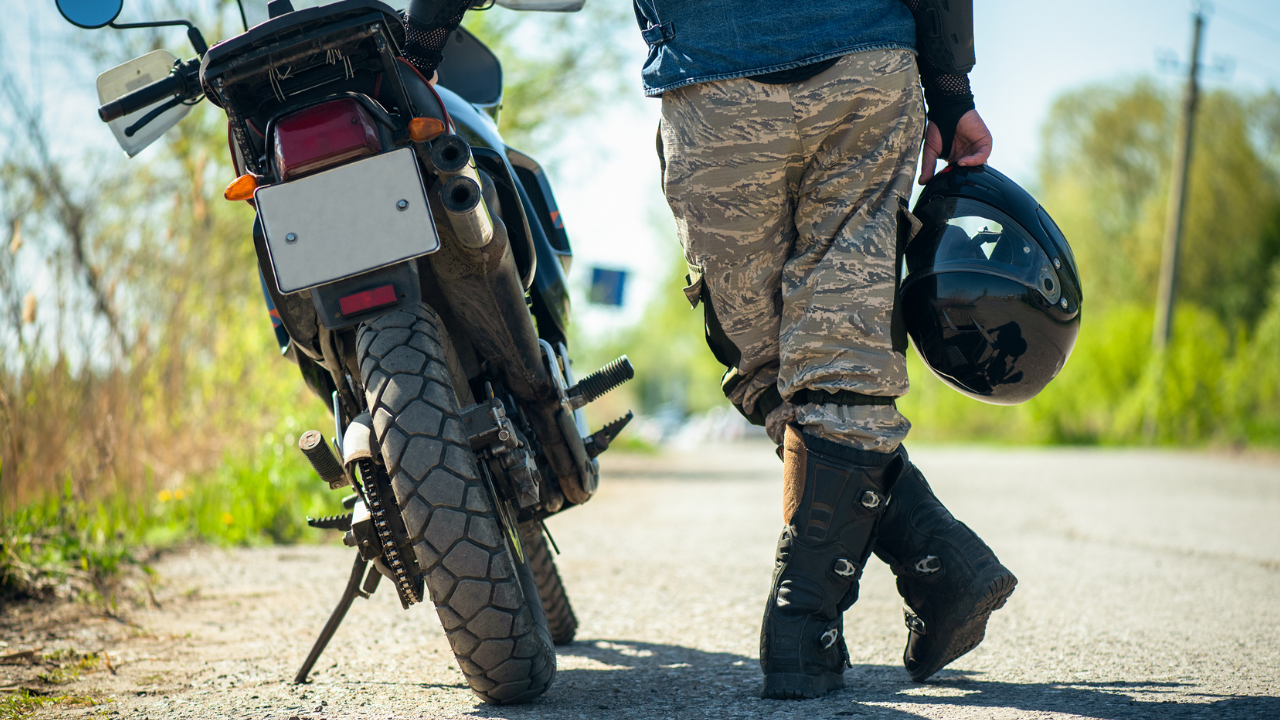
One of the great appeals of motorcycle touring is the freedom it offers.
Unlike many other forms of travel, touring by motorcycle allows riders to take scenic detours, stop in interesting towns, explore unexpected roads, and adjust plans as opportunities arise. Yet completely unstructured travel can also create challenges, especially on longer trips where accommodation, fuel, weather, and time all need consideration.
The challenge for many riders is finding the balance between planning and flexibility.
An itinerary that is too rigid can make a trip feel rushed and stressful. An itinerary with no structure at all can lead to unnecessary complications and missed opportunities. Experienced touring riders often aim for something in between: a flexible plan that provides direction while leaving room for adaptation.
Why Flexibility Matters on Motorcycle Tours
Unlike airline travel or organized tours, motorcycle journeys are influenced by many factors that can change from day to day.
These may include:
-
Weather conditions
-
Traffic delays
-
Road closures
-
Mechanical issues
-
Rider fatigue
-
Scenic discoveries
-
Local recommendations
-
Changes in accommodation availability
Even the best-planned route can require adjustments once the trip begins.
A flexible itinerary helps riders adapt without feeling like the entire schedule has been disrupted.
Practical Solutions Riders Use
Start With Key Destinations
Many experienced riders begin by identifying the locations they most want to visit.
These could include:
-
National parks
-
Scenic roads
-
Historic sites
-
Coastal routes
-
Mountain regions
-
Major landmarks
Once the key destinations are identified, the details between them can remain more flexible.
Plan Daily Ranges Rather Than Exact Distances
Instead of committing to a specific mileage target every day, many riders create a comfortable range.
For example, rather than planning exactly 450 kilometres, a rider might aim for 350 to 500 kilometres depending on conditions.
This approach allows room for adjustments without creating pressure.
Avoid Booking Every Night in Advance
While some destinations require advance reservations, many touring riders intentionally leave parts of their trip open.
This allows them to:
-
Stay longer in places they enjoy
-
Adjust for weather
-
Change routes
-
Take advantage of local recommendations
Flexibility often increases as fewer fixed commitments are added to the itinerary.
Build Buffer Days Into Longer Trips
Buffer days provide valuable breathing room.
These extra days can be used for:
-
Rest
-
Exploring unexpected locations
-
Recovering from bad weather
-
Handling delays
Many experienced riders consider buffer days one of the most valuable parts of a touring itinerary.
Have Multiple Route Options
Rather than relying on a single route, some riders prepare several alternatives.
This can be particularly useful when traveling through areas where weather, road conditions, or seasonal closures may affect plans.
Gear and Tools That Help
GPS Navigation Equipment
Navigation devices help riders make route adjustments quickly and efficiently.
Many touring riders use GPS systems or navigation apps to explore alternate routes and identify nearby services when plans change.
Communication Systems
Brands such as Cardo Systems allow riders to communicate with travel companions and receive navigation instructions without repeatedly stopping to check directions.
Touring Luggage Systems
Manufacturers such as Viking Bags offer luggage solutions that help riders carry clothing, weather gear, tools, and travel essentials needed for adaptable touring.
Power Management Equipment
Keeping devices charged becomes increasingly important when plans change throughout the day.
Products from companies such as Projecta can help riders power navigation devices, communication systems, and mobile electronics during extended trips.
Auxiliary Lighting
Lighting upgrades from manufacturers such as DENALI Electronics can improve visibility and provide additional confidence when unexpected delays result in riding during lower-light conditions.
Advice from Experienced Touring Riders
Many veteran riders believe the best itineraries are the ones that leave room for the unexpected.
Plan the Framework, Not Every Detail
Experienced touring riders often know where they want to go but remain flexible about exactly how they get there.
This approach creates structure without limiting spontaneity.
Leave Time for Interesting Discoveries
Some of the most memorable touring experiences come from roads, viewpoints, restaurants, and towns that weren't part of the original plan.
A flexible itinerary allows these moments to happen naturally.
Monitor Energy Levels
A schedule that looked reasonable before departure may feel very different after several long riding days.
Being willing to adjust daily plans based on fatigue can improve both safety and enjoyment.
Don't Fear Route Changes
Changing plans is often part of the touring experience.
Weather, road conditions, and local advice can sometimes lead riders to even better routes than the ones originally planned.
Focus on the Experience
Many experienced riders eventually stop measuring success by distance covered and start measuring it by the quality of the experience.
A flexible itinerary supports that mindset.
Frequently Asked Questions
Should I plan every day of a motorcycle tour?
Not necessarily. Many riders prefer planning key destinations while leaving room for adjustments between them.
Is it better to book accommodation in advance?
That depends on the destination and season. Some riders book everything ahead, while others leave portions of the itinerary open to maintain flexibility.
How many buffer days should I include?
The answer varies by trip length, but many experienced riders include at least one or two flexible days on longer tours.
Can flexible itineraries work for international motorcycle tours?
Yes. In fact, flexibility can be particularly valuable when crossing regions with different weather patterns, road conditions, and travel requirements.
What should riders plan first?
Start with major destinations, estimated travel windows, and overall route direction before focusing on daily details.
Related Tools and Resources
If you're planning a motorcycle tour, consider exploring:
-
GPS navigation equipment
-
Motorcycle communication systems
-
Touring luggage systems
-
Weather monitoring tools
-
Route-planning resources
-
Auxiliary lighting upgrades
-
Battery chargers and power management equipment
-
Emergency roadside gear
-
Hydration and comfort accessories
These resources can help riders create itineraries that remain practical while allowing for flexibility on the road.
Conclusion
A flexible motorcycle touring itinerary provides the best of both worlds: enough planning to keep the trip organized and enough freedom to enjoy unexpected opportunities along the way.
Weather changes, road closures, fatigue, and spontaneous discoveries are all part of motorcycle travel. Building flexibility into your plans allows you to adapt confidently rather than feeling tied to a rigid schedule.
The goal isn't to follow every detail perfectly. It's to create a framework that helps you enjoy the journey while remaining open to where the road may lead next.