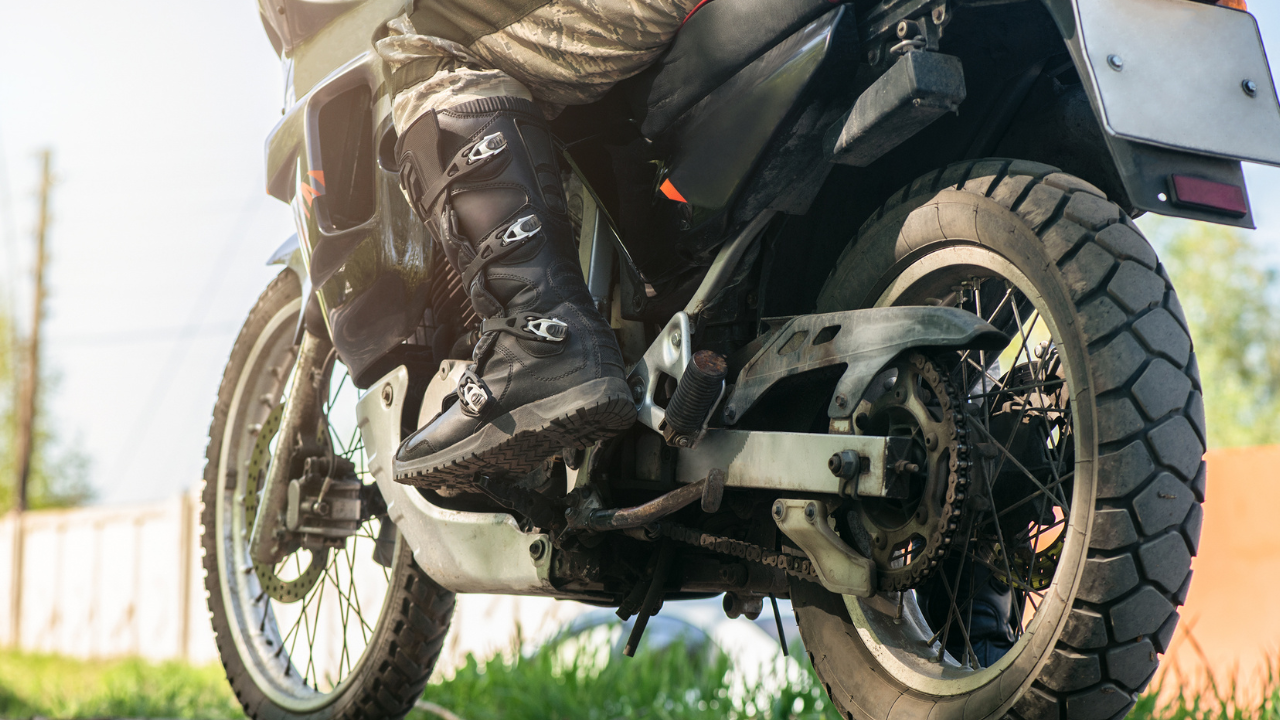
Few situations make touring riders uncomfortable faster than watching the fuel gauge drop while the next fuel station is still nowhere in sight.
In cities and heavily populated regions, fuel is rarely something riders think about for very long. Remote areas are different. A fuel stop that would normally be a minor convenience can become one of the most important parts of the day's planning.
Whether you're crossing rural highways, mountain regions, deserts, or sparsely populated backroads, good fuel planning can help prevent unnecessary stress and keep your journey running smoothly.
Fortunately, experienced touring riders use a handful of simple strategies that make fuel management far more predictable.
Why Fuel Planning Becomes More Important in Remote Areas
When services become less frequent, fuel stops require more attention.
In remote regions, riders may encounter:
-
Long distances between fuel stations
-
Limited operating hours
-
Unexpected station closures
-
Seasonal businesses
-
Detours caused by weather or road works
-
Increased fuel consumption due to terrain or wind
A motorcycle that comfortably handles daily riding in populated areas may face different challenges when the nearest fuel station is over a hundred kilometres away.
The farther you travel from major population centres, the more valuable fuel planning becomes.
Practical Solutions Riders Use
Know Your Real Fuel Range
Many riders know the theoretical range of their motorcycle but not its practical touring range.
Factors that affect fuel consumption include:
-
Speed
-
Wind conditions
-
Passenger weight
-
Luggage weight
-
Elevation changes
-
Riding style
-
Road surface
Experienced riders often plan using conservative estimates rather than maximum possible range.
Never Ride to Empty
One of the most common touring habits is treating a half-empty tank differently in remote areas than in urban areas.
Many riders follow a simple rule:
If fuel is available and you're uncertain about the next opportunity, fill up.
Carrying extra fuel isn't always necessary when opportunities to refuel are used consistently.
Research Fuel Availability Ahead of Time
Before entering a remote region, many riders identify:
-
Fuel station locations
-
Estimated distances between stops
-
Operating hours
-
Alternative fuel options
This information can help prevent surprises later in the day.
Plan for Unexpected Changes
Weather, road closures, and route adjustments can increase total distance travelled.
Building a fuel buffer into your planning provides flexibility when conditions change.
Monitor Fuel More Frequently
During remote-area riding, many experienced riders pay closer attention to fuel levels than they would during everyday riding.
Regular checks help prevent last-minute decisions when fuel becomes low.
Gear and Tools That Help
GPS Navigation Equipment
Modern navigation systems often allow riders to identify fuel stations along their route.
GPS devices and navigation apps can help estimate distances between fuel opportunities and locate nearby alternatives if plans change.
Communication Systems
Brands such as Cardo Systems help riders stay connected with travel companions and share information about fuel stops, route changes, or service availability.
Auxiliary Fuel Containers
Some riders traveling through particularly remote regions choose to carry approved auxiliary fuel containers for additional range.
These should always be used according to local regulations and manufacturer recommendations.
Touring Luggage Systems
Manufacturers such as Viking Bags offer luggage solutions that help riders organize essential touring equipment, including emergency supplies and route-planning materials.
Power Management Equipment
Products from companies such as Projecta can help riders keep navigation devices, phones, and communication equipment charged throughout longer journeys.
Reliable electronics become especially valuable in unfamiliar and isolated regions.
Advice from Experienced Touring Riders
Fuel planning is one of those touring skills that often becomes second nature with experience.
Fill Up Earlier Than You Think You Need To
Many veteran riders follow a simple principle:
Fuel when it's convenient, not when it's urgent.
Waiting until the tank is nearly empty reduces flexibility and increases stress.
Don't Assume Every Station Is Open
In remote areas, operating hours may be limited.
A station shown on a map isn't always guaranteed to be available when you arrive.
Watch for Changes in Fuel Consumption
Strong headwinds, steep climbs, heavy luggage, and higher speeds can all reduce fuel range.
Pay attention to changing conditions rather than relying solely on normal fuel consumption figures.
Have a Backup Plan
Experienced riders often know where the next fuel stop is—and the one after that.
Alternative options provide valuable peace of mind if plans change unexpectedly.
Learn From Local Riders
Local knowledge can be extremely useful in remote regions.
Residents and local riders often know which stations are most reliable and which services have limited availability.
Frequently Asked Questions
How much fuel reserve should riders keep in remote areas?
Many riders prefer maintaining a comfortable buffer rather than using their entire fuel range. The exact amount depends on the route, conditions, and available services.
Should I carry extra fuel on a motorcycle tour?
For some remote routes, carrying approved auxiliary fuel may be beneficial. However, many trips can be managed successfully through careful fuel planning alone.
Why does my fuel range change during a tour?
Speed, wind, elevation, road conditions, luggage weight, and riding style can all affect fuel consumption.
What should riders do if fuel stations are far apart?
Research station locations in advance, use conservative fuel-range estimates, and refuel whenever practical opportunities arise.
What is the biggest fuel-planning mistake riders make?
Many riders assume fuel availability will be similar to what they're accustomed to at home. Remote regions often require much more proactive planning.
Related Tools and Resources
If you're preparing for motorcycle travel in remote areas, consider exploring:
-
GPS navigation equipment
-
Motorcycle communication systems
-
Touring luggage systems
-
Auxiliary fuel storage solutions
-
Power management equipment
-
Emergency roadside gear
-
Weather monitoring tools
-
Route-planning resources
-
Battery chargers and maintenance equipment
These resources can help riders travel more confidently in areas where services are limited.
Conclusion
Planning fuel stops may not be the most exciting part of motorcycle touring, but it can be one of the most important.
Remote areas often provide some of the most memorable riding experiences, yet they also require greater preparation than heavily populated regions. Understanding your motorcycle's range, researching fuel availability, and maintaining a reasonable safety buffer can help eliminate unnecessary stress along the way.
With thoughtful planning, riders can spend less time worrying about the next fuel stop and more time enjoying the roads that made the journey worth taking in the first place.