Introduction
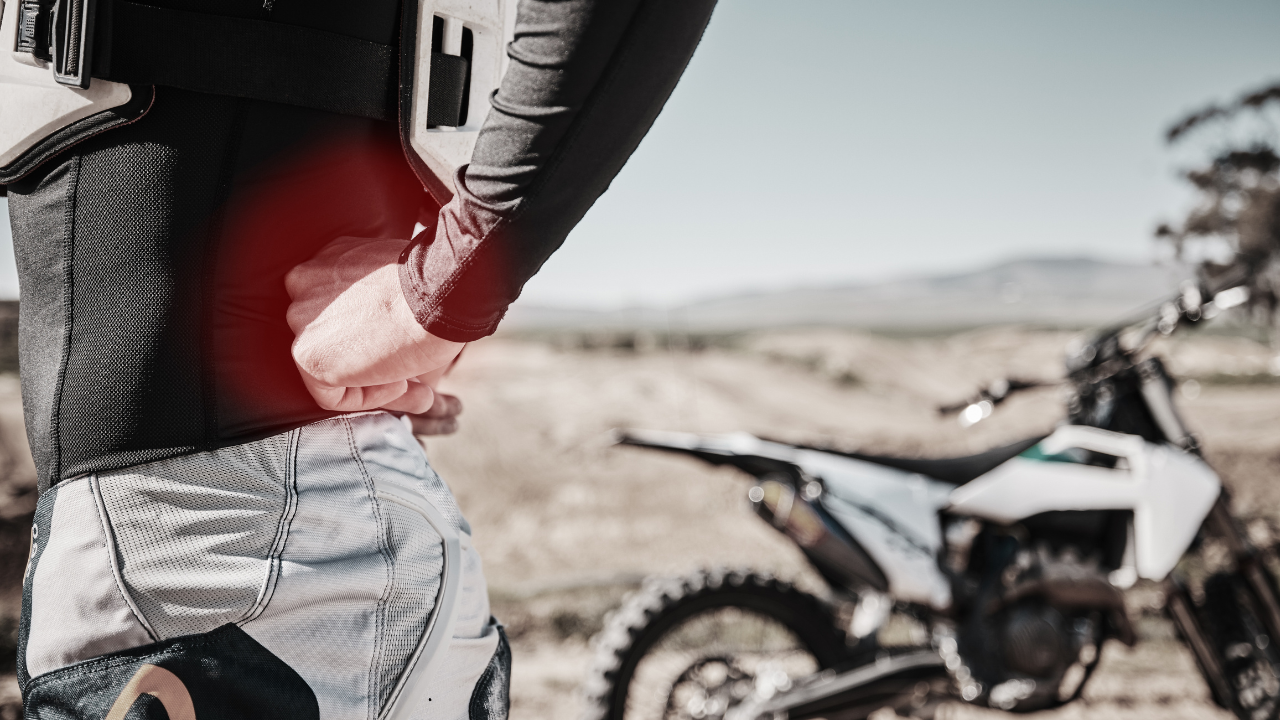
Lower back pain is one of the most common complaints among long-distance riders. It doesn't matter whether you're riding a touring bike, an adventure motorcycle, or a sport tourer. Spend enough hours in the saddle and sooner or later your lower back may remind you that it has limits.
Sometimes the discomfort arrives after three hours. Other times, it appears on the third day of a multi-day trip. You might step off the bike at a fuel stop and find yourself standing up slowly, stretching instinctively, or wondering how you're going to feel after another three hundred miles.
The frustrating part is that many riders assume lower back pain is simply part of getting older or something they have to tolerate if they want to enjoy motorcycle travel. While age and previous injuries can certainly play a role, long-distance riding itself often exposes small issues that become much bigger after hours in the saddle.
The good news is that most touring-related back pain has identifiable causes. More importantly, experienced riders have learned practical ways to reduce it. Some solutions cost nothing. Others involve small adjustments to riding position or bike setup. Very few riders solve the problem by simply buying random accessories.
Long-distance comfort is rarely about one magic product. It's usually about understanding what causes the discomfort in the first place.
Why This Problem Happens
Sitting Still for Hours Creates Stress
Human bodies were designed for movement.
During a typical touring day, your lower back stays in one position for hours. Even if that position feels comfortable initially, muscles begin to tire. Blood flow decreases. Small stabilizing muscles work continuously without rest.
What feels fine after an hour may feel completely different after six.
This is one reason riders often feel surprisingly stiff when they stop for fuel. The body has simply been locked into one position for too long.
Poor Riding Posture Transfers Pressure to the Lower Back
Many riders unknowingly place excessive pressure on their lower spine.
Slouching, rounding the shoulders, leaning too far forward, or sitting awkwardly can all shift the workload away from stronger muscles and place it directly on the lower back.
Sometimes the issue isn't obvious. You may feel comfortable around town, yet discomfort builds slowly on longer rides because the posture becomes harder to maintain as fatigue sets in.
Fatigue Changes Everything
Early in the day, posture tends to be better.
As energy fades, riders often begin to:
-
Slump in the seat.
-
Grip the handlebars harder.
-
Stop engaging their core muscles.
-
Lean unevenly.
-
Shift into awkward positions.
These changes place additional stress on the lower spine and surrounding muscles.
The discomfort becomes a cycle. Fatigue causes poor posture, and poor posture creates more fatigue.
Motorcycle Ergonomics Matter
Not every motorcycle naturally fits every rider.
Handlebar reach, seat height, footpeg position, and wind protection all influence how your body sits on the bike.
A setup that's acceptable for short rides may reveal problems after several hundred miles.
Many riders discover that even small ergonomic changes can make a dramatic difference.
Road Conditions and Vibration Add Up
Rough roads, expansion joints, and vibration force your body to absorb countless small impacts throughout the day.
Adventure riders and those spending time on secondary roads often experience more strain because the body is constantly reacting to uneven surfaces.
These micro-adjustments may not seem significant individually, but over hundreds of miles they create fatigue that often settles into the lower back.
Practical Solutions Riders Use
Move Around More Than You Think You Need To
Experienced touring riders rarely sit perfectly still.
Small changes make a difference:
-
Shift your seating position periodically.
-
Stretch your legs while riding when safe.
-
Alternate foot positions.
-
Stand briefly on the pegs occasionally if conditions allow.
Movement improves circulation and helps prevent muscles from becoming locked into one position.
Take Breaks Before You Need Them
Many riders wait until they're uncomfortable before stopping.
By then, fatigue has already accumulated.
Instead, try stopping every hour or two, even if only for five minutes.
Walk around.
Stretch.
Loosen your hips.
Roll your shoulders.
Drink water.
Those short breaks often prevent discomfort from becoming severe later in the day.
Engage Your Core Instead of Your Lower Back
Your lower back shouldn't carry all the workload.
Many experienced riders consciously support themselves with their core muscles and legs instead of hanging on the handlebars.
This distributes weight more evenly and reduces stress on the spine.
The difference may feel subtle initially, but over a full day it can be significant.
Pay Attention to Your Knees and Hips
Sometimes the pain isn't actually starting in your back.
Tight hips, hamstrings, or bent knee angles can transfer stress upward into the lower spine.
Simple stretches before and after riding often provide surprising relief.
Many riders discover that improving flexibility helps more than changing motorcycles.
Avoid Marathon Days
A thousand-mile day sounds impressive.
But experienced tourers know that sustainable comfort usually wins.
Shorter days often mean:
-
Better posture.
-
Less fatigue.
-
Improved focus.
-
More enjoyable travel.
There's no prize for arriving exhausted.
Gear and Tools That Can Help
Gear should support comfort—not replace good habits.
Touring Seats and Seat Cushions
After you've addressed posture and break frequency, the seat itself may deserve attention.
Some stock seats create pressure points or encourage slouching over long distances.
Different riders prefer different solutions. Some eventually experiment with aftermarket seats or cushions after identifying what specifically causes discomfort.
Your article on Choosing the Right Touring Seat and Cushion for Your Motorcycle explores this subject further.
Windscreens and Wind Protection
Constant wind pressure can force your body into awkward positions and contribute to back fatigue.
Improving airflow may help you maintain a more relaxed riding posture.
Our article Motorcycle Windscreens: Do They Really Reduce Fatigue? explains why some riders consider wind management one of the best comfort upgrades they ever made.
Luggage Systems
Poorly packed luggage changes the balance of the motorcycle.
Heavy items positioned too high or too far back can subtly affect posture and increase fatigue.
Luggage systems from companies like Viking Bags help riders organize gear and distribute weight more effectively, but thoughtful packing matters more than the brand itself.
Navigation and Communication Systems
Constantly looking down at your phone or turning awkwardly to communicate with others can contribute to tension.
Many group riders appreciate communication systems such as Cardo because they allow conversations and navigation prompts without unnecessary movement.
Again, these systems don't solve back pain, but they can remove some of the little stresses that add up over long days.
Advice From Experienced Touring Riders
Most riders eventually learn that comfort is cumulative.
Rarely does one thing create lower back pain.
Likewise, no single fix solves everything.
Veteran tourers often recommend:
-
Testing changes one at a time.
-
Avoiding huge mileage increases.
-
Listening to discomfort before it becomes pain.
-
Adjusting routes to include more breaks.
-
Prioritizing consistency over speed.
-
Stretching during every fuel stop.
Many also discover that the best setup changes are the small ones.
A slightly different seat position.
A minor handlebar adjustment.
An extra stop every afternoon.
Small improvements add up over thousands of miles.
Frequently Asked Questions
Is lower back pain common on long motorcycle rides?
Very common. Even experienced riders experience it occasionally. Long hours in one position naturally place stress on the body.
Can lower back pain be reduced without buying new gear?
Absolutely.
Improving posture, taking regular breaks, stretching, and reducing daily mileage often help more than accessories.
Are certain motorcycles better for bad backs?
Ergonomics matter, but rider fit matters even more. A comfortable setup for one rider may not work for another.
Should I stop riding if my back hurts?
Mild stiffness is common. Severe or persistent pain should not be ignored. If symptoms continue outside riding, consult a healthcare professional.
What's the biggest mistake riders make?
Trying to push through discomfort.
Pain usually becomes easier to manage when addressed early rather than ignored for another three hundred miles.
Related Tools and Resources
If you're working on improving long-distance comfort, you may also find these topics helpful:
-
3 Tips on How to Stay Comfortable on Long Motorcycle Rides
-
How to Prevent Numb Hands on Long Motorcycle Rides
-
Managing Fatigue on Multi-Day Motorcycle Tours
-
Motorcycle Windscreens: Do They Really Reduce Fatigue?
-
Motorcycle Packing Strategies for Long-Distance Tours
-
Planning the Ultimate Long-Distance Motorcycle Trip
Comfort rarely comes from one piece of gear. It usually comes from building a complete system that allows you to ride farther while feeling better at the end of the day.
Conclusion
Lower back pain doesn't mean your touring days are over. In many cases, it simply means your body is asking for a few adjustments.
Small changes in posture, pacing, stretching, and bike setup often make a bigger difference than riders expect. The goal isn't to eliminate every ache or turn every trip into a luxury experience. It's to build habits and systems that help you enjoy the miles instead of merely enduring them.
Long-distance touring should leave you with memories of great roads and beautiful places—not memories of counting the miles until you could finally get off the bike.
And as with most things in motorcycle travel, comfort is something riders continue refining one trip at a time.