Introduction
There’s a moment every long-distance rider eventually faces — something goes wrong, and there’s no quick help nearby. It might be a dead battery at a remote overlook, a slow leak miles from the nearest town, or a loose connection that leaves your bike refusing to start. These situations aren’t dramatic until they are, and when they happen, preparation becomes the difference between a minor delay and a trip-ending problem.
Motorcycle touring pushes you into environments where self-sufficiency matters. Unlike city riding, you can’t rely on nearby services or fast roadside assistance. You’re often hours away from support, riding through changing weather, elevation shifts, and unpredictable road conditions. That’s why experienced touring riders don’t just pack light — they pack intentionally.
A well-thought-out emergency kit isn’t about carrying everything. It’s about carrying the right things. The goal is simple: solve the most common problems quickly and safely so you can continue your ride without unnecessary stress.
Why Emergency Preparedness Matters on Long Rides
Most touring issues fall into a few predictable categories:
- Battery failure
- Tire damage
- Minor mechanical issues
- Visibility or signaling problems
- Personal safety needs
These aren’t rare events — they’re part of long-distance riding. What catches riders off guard is not the problem itself, but the lack of preparation.
For example, a dead battery in a parking lot is inconvenient. A dead battery at sunrise in a remote mountain town is something else entirely. This is where compact tools like portable jump starters from brands like NOCO become essential rather than optional.
Prepared riders think in terms of response time. How quickly can you identify the issue, fix it, and get moving again?
The Core Components of a Touring Emergency Kit
1. Battery Support
Dead batteries are one of the most common touring disruptions. Cold mornings, frequent stops, and added electrical loads (GPS, heated gear, communication systems) all contribute.
A compact jump starter allows you to restart your bike without relying on another rider or vehicle. Modern options are small enough to fit in saddlebags and powerful enough to handle multiple starts.
2. Tire Repair and Inflation
Flat tires rarely happen at convenient times. Touring riders typically carry:
- Tire plug kit
- Compact air compressor or inflator
- Pressure gauge
These tools allow you to repair a puncture roadside and continue riding safely. Without them, a simple nail can turn into a long wait for assistance.
3. Basic Tool Kit
You don’t need a full mechanic’s setup, but a minimal kit should include:
- Allen keys
- Screwdrivers
- Adjustable wrench
- Pliers
This covers loose mirrors, battery terminals, luggage mounts, and small adjustments that can otherwise become major inconveniences.
4. Electrical and Visibility Backup
Lighting issues are often overlooked until they matter. Carrying spare fuses, a small flashlight, or even auxiliary lighting solutions from brands like Denali Electronics can make a significant difference during low-light situations.
5. Personal Safety Essentials
Your emergency kit isn’t just for your motorcycle. It should also support you:
- Basic first aid kit
- Emergency blanket
- Hydration backup
- Energy snacks
Long rides can quickly shift from routine to physically demanding, especially in remote areas.
Real-World Scenario
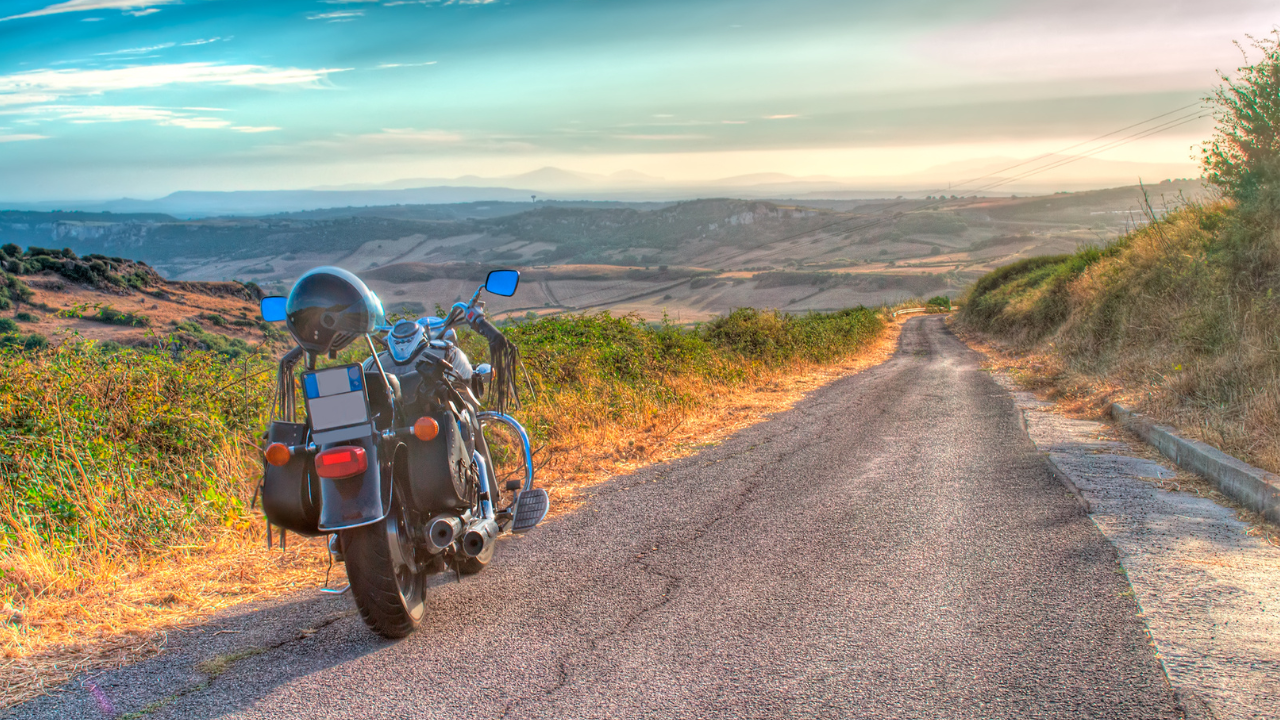
Imagine riding through a remote stretch between towns. You stop for fuel, take in the view, and when you try to start your bike again — nothing.
With no kit, you’re stuck waiting.
With a prepared setup:
- You connect your jump starter
- Restart within minutes
- Continue your route
That’s the difference preparation makes.
Tips from Experienced Touring Riders
- Test your gear before trips
- Keep tools accessible, not buried
- Replace used items immediately after trips
- Don’t overpack — focus on likely issues
Frequently Asked Questions
Do I really need a jump starter?
If you ride long distances, yes. It’s one of the most useful tools you can carry.
Can I rely on roadside assistance?
Not always — especially in remote areas with limited signal or access.
How big should my kit be?
Small enough to carry comfortably, but complete enough to handle common problems.
Conclusion
Motorcycle touring rewards preparation. A well-built emergency kit doesn’t just protect your bike — it protects your time, your route, and your overall experience. Build it thoughtfully, test it before your trip, and treat it as part of your essential touring setup.