Introduction
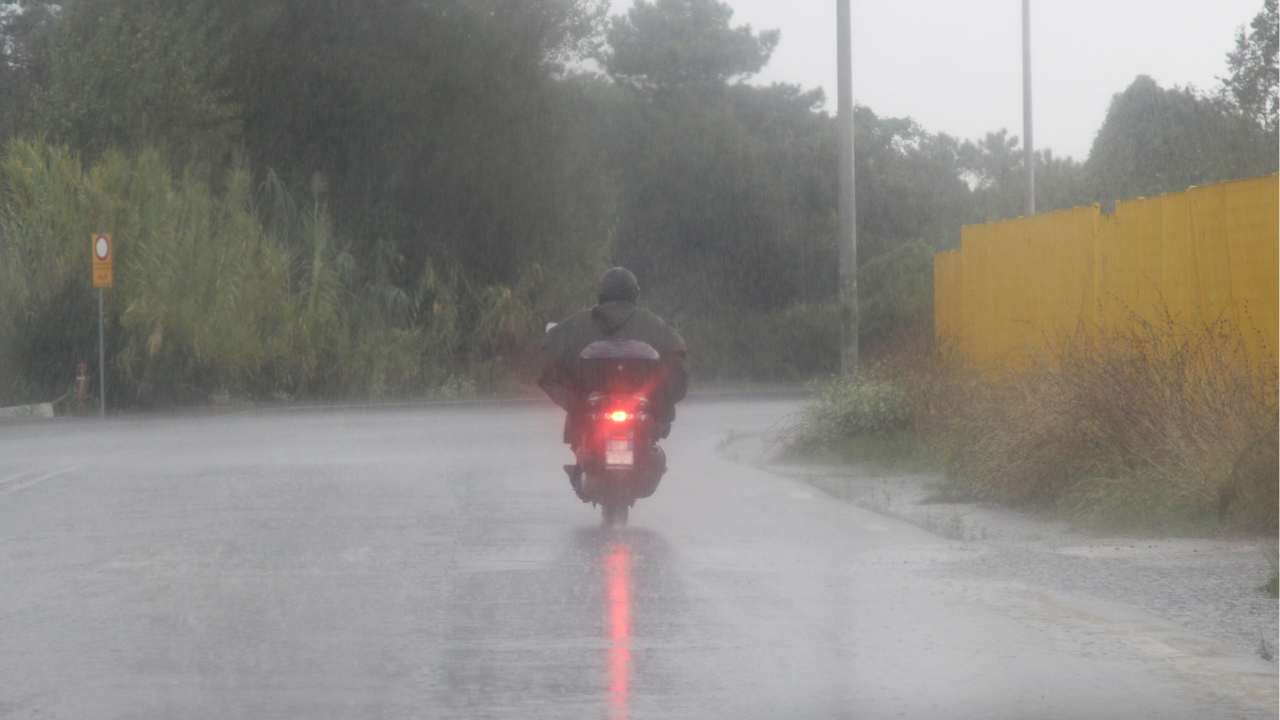
Storm season changes motorcycle touring in a way that’s hard to fully appreciate until you’re in it. Roads that felt predictable in dry conditions suddenly become uncertain. Visibility drops. Wind becomes active rather than background noise. Rain doesn’t just fall — it builds, shifts direction, and creates new hazards depending on terrain and traffic.
For long-distance riders, storm season doesn’t automatically mean stopping travel. Many touring routes still run through regions where weather is part of the experience, not an exception. But it does require a more deliberate approach to planning, riding technique, and gear setup.
Motorcycle touring during storm season is less about avoiding weather entirely and more about understanding how to ride through it safely without letting fatigue, panic, or poor preparation take over.
Why Storm Season Riding Is More Demanding
Storm conditions amplify existing riding challenges rather than creating entirely new ones.
Key stress factors include:
- Reduced visibility from rain, spray, and fog
- Slippery road surfaces, especially oil buildup after dry periods
- Strong and shifting wind gusts
- Temperature drops during rainfall
- Increased traffic unpredictability (cars braking suddenly or changing lanes late)
- Higher mental workload over long distances
Even light rain changes road behavior. Painted lines, metal surfaces, and bridge joints become significantly more slippery. What feels like a minor weather change can quickly become a full-scope riding adjustment.
The biggest challenge in storm riding is not the rain itself — it is maintaining consistent judgment over long hours when conditions keep changing.
Understanding Road Conditions During Storms
One of the most underestimated risks in storm season is how different road surfaces react to moisture.
1. The “first rain” effect
When rain begins after a dry period, it lifts:
- Oil residue
- Rubber buildup from tires
- Road dust and debris
This creates a slippery film that is often more dangerous than steady rainfall.
2. Standing water and hydroplaning risk
Heavy storms can create pooled water across:
- Low road sections
- Poor drainage areas
- Highway depressions
Hydroplaning occurs when tires lose contact with the road surface due to water buildup. It usually happens at speed and can feel like sudden loss of control.
3. Wind-driven rain
Storm systems rarely bring straight-down rain. Instead, wind pushes rain diagonally, affecting:
- Helmet visibility
- Shoulder and chest exposure
- Bike stability at higher speeds
Riding Technique in Storm Conditions
Storm riding requires adjustments that prioritize stability over speed or efficiency.
1. Smooth throttle control
Sudden acceleration or deceleration increases risk on wet surfaces. Inputs should be gradual and predictable.
2. Increased following distance
Stopping distances increase significantly in wet conditions. A larger buffer reduces reaction pressure when traffic changes suddenly.
3. Avoiding sudden lean angles
Sharp turns on wet roads reduce traction. Riders should aim for smooth, controlled cornering rather than aggressive lean angles.
4. Braking strategy
Front brake control becomes more sensitive in wet conditions. Many riders rely slightly more on engine braking and rear brake modulation when appropriate.
Visibility Challenges in Storm Riding
Visibility is often the most critical factor in storm-season safety.
Rain reduces clarity in multiple ways:
- Water on visor surface
- Spray from vehicles ahead
- Fog forming at higher elevations
- Reduced contrast in road markings
Even during daytime, storm conditions can feel like twilight riding.
This is where lighting and visibility systems become essential rather than optional.
Auxiliary lighting from Denali Electronics helps increase visibility to other road users, especially in heavy spray or low-light storm conditions.
Gear That Makes Storm Riding Manageable
Waterproof Touring Gear
Waterproof or weather-resistant gear becomes the first line of defense. Riders using layered systems from Alpinestars often benefit from improved adaptability, allowing them to adjust insulation and ventilation depending on storm intensity.
Communication Systems
In group touring, storm conditions can make coordination difficult due to noise, wind, and visibility loss. Systems from Cardo Systems help maintain group awareness without needing frequent stops.
Luggage Protection
Water ingress into luggage is a common issue during extended storm riding. Secure systems from Viking Bags reduce exposure and help keep essential items dry.
Battery and Electrical Reliability
Storm conditions can also affect visibility timing and extended riding hours. Reliable power management systems from Projecta support charging stability and electrical system maintenance during long trips.
Mental Fatigue in Storm Conditions
One of the most overlooked aspects of storm riding is cognitive fatigue.
Riders often experience:
- Increased concentration load
- Constant environmental scanning
- Stress from reduced visibility
- Decision fatigue over long durations
Unlike physical fatigue, mental fatigue builds quietly. Riders may not notice it until reaction times slow or focus drifts.
Managing this requires:
- Regular breaks before fatigue peaks
- Staying relaxed in posture
- Avoiding over-gripping handlebars
- Maintaining steady breathing patterns
Real-World Storm Riding Scenario
Imagine riding through a long coastal route during storm season.
Early stage:
- Light drizzle begins
- Visibility slightly reduced
- Roads still mostly stable
Mid-ride:
- Rain intensity increases
- Spray from vehicles builds
- Wind becomes more unpredictable
Later stage:
- Heavy rainfall
- Reduced visibility to short distance
- Increased fatigue from constant focus
Without preparation, this becomes stressful quickly.
With preparation:
- Waterproof gear maintains comfort
- Lighting systems improve visibility
- Smooth riding technique reduces risk
- Planned stops allow recovery
The ride remains controlled even in difficult conditions.
Common Mistakes Riders Make in Storm Season
- Riding too fast for visibility conditions
- Over-relying on front brake
- Following vehicles too closely
- Ignoring early fatigue signals
- Wearing non-waterproof gear
- Continuing without planned rest stops
Most storm-related issues are not caused by a single event — they are caused by accumulated small decisions.
Frequently Asked Questions
Is it safe to ride during heavy storms?
It can be, if conditions are manageable and the rider adjusts speed, technique, and awareness. Extreme weather should always be avoided.
What is the most dangerous part of storm riding?
Reduced visibility combined with slippery surfaces and unpredictable traffic behavior.
Should I stop riding when rain starts?
Not necessarily. Light to moderate rain is manageable with proper gear and technique. Severe storms require reassessment.
Do I need special gear for storm riding?
Waterproof gear, visibility lighting, and reliable tires make a significant difference in safety and comfort.
Conclusion
Motorcycle touring during storm season is not about avoiding weather entirely — it is about adapting to it intelligently. Riders who understand road behavior, adjust their technique, and use appropriate gear can continue traveling safely even when conditions are far from ideal.
The key is consistency: smooth inputs, increased awareness, proper gear, and disciplined decision-making over long distances.
Storm riding rewards patience and preparation. When handled correctly, it becomes another layer of touring experience rather than a barrier to it.