Introduction
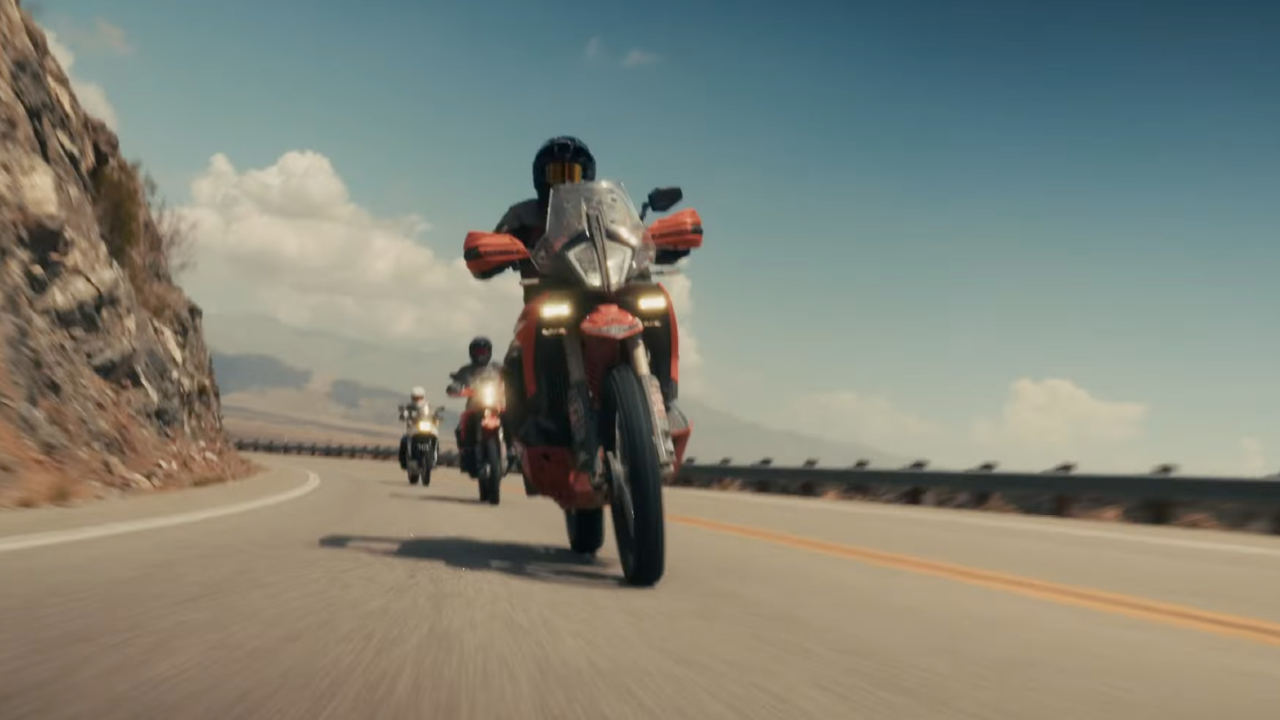
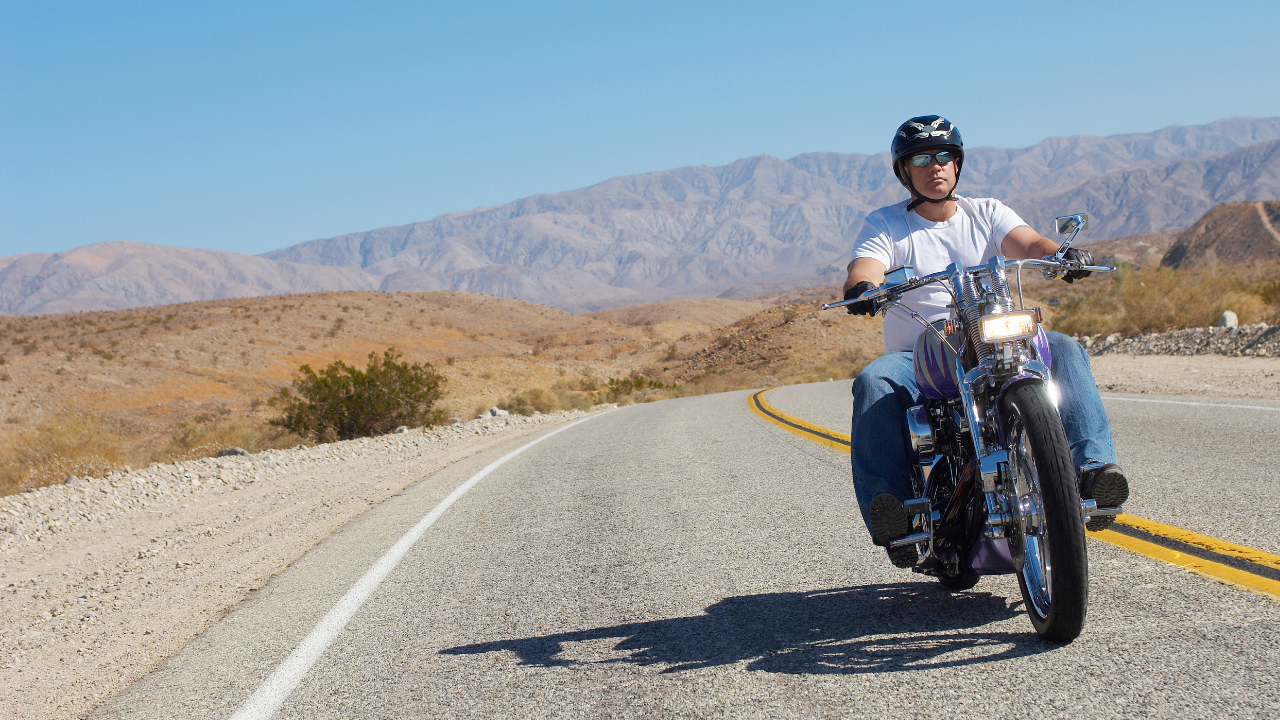
Desert riding has a very different personality compared to mountain or coastal touring. On the surface, it can feel simple — long open roads, wide visibility, and fewer traffic interruptions. But that simplicity hides one of the most demanding environments for long-distance motorcycle travel.
Heat builds gradually, then overwhelms quickly. Distances between services stretch further than expected. Wind can be dry, hot, and physically draining. Even experienced riders find that desert touring tests endurance in ways that aren’t immediately obvious at the start of the ride.
The key challenge is not just temperature. It’s how heat, dehydration, fatigue, and mechanical stress combine over long hours of exposure. When these factors stack together, decision-making slows, reaction time decreases, and physical discomfort becomes harder to ignore.
Motorcycle touring through desert regions requires preparation that focuses less on scenery and more on survival efficiency: managing heat, maintaining hydration, protecting the bike, and pacing yourself correctly across long distances.
Why Desert Riding Feels So Demanding
Desert environments create a unique combination of stress factors:
- High ambient temperatures with direct sun exposure
- Low humidity accelerating dehydration
- Long stretches without shade or rest points
- Strong crosswinds carrying heat and dust
- Radiant heat coming off the road surface
- Increased engine and tire operating temperatures
Unlike colder environments where discomfort is noticeable immediately, heat fatigue builds slowly. Riders often feel fine for the first hour or two, then suddenly realize they are dehydrated or mentally drained.
The biggest risk in desert touring is not discomfort — it’s delayed awareness of fatigue.
Understanding Heat and Its Effect on Riders
Heat affects motorcycle touring on two levels: physical performance and cognitive performance.
Physical effects:
- Increased sweating and fluid loss
- Reduced grip strength
- Muscle fatigue
- Higher heart rate
- Reduced stamina over time
Cognitive effects:
- Slower decision-making
- Reduced attention span
- Decreased reaction speed
- Irritability and mental fatigue
Even mild dehydration can begin affecting performance long before a rider feels “thirsty.” This is why desert touring requires proactive hydration, not reactive drinking.
Hydration Strategy for Long Desert Rides
Hydration is one of the most underestimated aspects of desert touring.
Riders should aim to:
- Drink consistently before feeling thirsty
- Carry accessible water storage
- Replenish electrolytes during long rides
- Avoid excessive caffeine in hot conditions
A useful approach is small, frequent hydration rather than large intake stops. Waiting too long between water breaks can lead to rapid fatigue once dehydration begins.
Electrolyte balance is equally important. Pure water alone may not fully replace what is lost through sweat during extended heat exposure.
Preparing Your Motorcycle for Desert Conditions
Desert environments place continuous stress on mechanical systems.
1. Cooling and Engine Load
High temperatures increase engine workload. While modern motorcycles are designed to handle heat, prolonged exposure in stop-and-go or uphill desert conditions can increase strain.
Ensuring proper coolant levels, oil condition, and airflow efficiency before departure is essential.
2. Tire Pressure and Surface Heat
Road surfaces in desert regions can become extremely hot, affecting tire pressure and grip. Tires may expand slightly during long rides, so starting with correct cold pressure is important.
3. Fuel Planning
One of the most important considerations in desert touring is fuel distance.
Gas stations can be:
- Far apart
- Unreliable in smaller regions
- Closed in remote areas
Planning fuel stops conservatively is essential. Never assume the next station will be available.
Gear Considerations for Desert Touring
Heat-Appropriate Riding Apparel
Riding gear in desert conditions should prioritize airflow without sacrificing protection.
Brands like Alpinestars offer ventilated touring gear designed to allow airflow while maintaining abrasion protection.
Hydration Systems
Backpack hydration systems or easily accessible water storage can make a significant difference during long stretches between stops.
Sun Protection
Sun exposure in desert regions is constant and intense. Even partial skin exposure can lead to fatigue over time.
Key considerations include:
- UV-protective clothing
- Neck protection
- Tinted or transition visors
Luggage and Load Stability
Heat can amplify fatigue, making bike stability even more important. Uneven luggage can feel more noticeable over long, straight desert roads.
Systems from Viking Bags help distribute weight evenly and reduce unnecessary movement at highway speeds.
Managing Fatigue in Desert Conditions
Desert fatigue builds differently than mountain fatigue.
Instead of constant physical engagement, it comes from:
- Monotonous scenery
- Heat exposure
- Wind resistance
- Mental zoning out risk
This combination can lead to reduced attention even when the rider feels physically capable.
Strategies to manage fatigue:
- Take breaks before discomfort appears
- Use shaded stops whenever possible
- Adjust riding posture regularly
- Stay mentally engaged with route awareness
Wind and Sand Exposure
Desert wind is often underestimated. It can be:
- Strong
- Hot
- Dust-filled
- Directionally inconsistent
Crosswinds can affect stability over long stretches, especially when combined with lightweight luggage or high-profile gear.
Keeping a relaxed grip and allowing the bike to move naturally within controlled limits is important. Fighting wind too aggressively often increases fatigue.
Real-World Riding Scenario
Imagine riding across a long desert highway stretch in the American Southwest.
Early morning:
- Cool air
- Comfortable riding conditions
- Clear visibility
Midday:
- Rapid temperature rise
- Heat radiating from asphalt
- Increased wind intensity
Afternoon:
- Fatigue begins to build
- Hydration becomes critical
- Focus requires conscious effort
Without preparation, this shift can feel draining and overwhelming.
With preparation:
- Hydration system is accessible throughout the ride
- Ventilated gear manages airflow
- Planned fuel stops reduce stress
- Regular breaks maintain mental clarity
The ride remains controlled rather than exhausting.
Common Mistakes in Desert Touring
- Underestimating water needs
- Wearing non-ventilated gear
- Ignoring early fatigue signals
- Poor fuel planning
- Riding too long without shade breaks
- Overexerting in peak heat hours
Most issues in desert riding come from endurance mismanagement rather than mechanical failure.
Frequently Asked Questions
How much water should I carry for desert riding?
Enough for continuous access between stops — not just emergency supply. Small, frequent intake is more effective than large infrequent drinking.
Is desert riding dangerous?
It can be if unprepared, mainly due to heat stress and dehydration. With proper planning, it is manageable and rewarding.
What time of day is best for desert touring?
Early morning and late afternoon offer the most comfortable conditions. Midday heat is usually the most demanding period.
Do I need special gear for desert riding?
Not special, but highly breathable, ventilated gear is strongly recommended.
Conclusion
Desert motorcycle touring is less about technical riding skill and more about environmental management. Heat, hydration, wind, and fatigue all interact to create a riding experience that requires steady attention and disciplined preparation.
When managed properly, desert routes become some of the most open and visually striking rides available. But success depends on respecting the environment rather than trying to push through it.
Good hydration habits, appropriate gear, thoughtful pacing, and fuel awareness transform desert riding from a physical challenge into a controlled and rewarding touring experience.