Introduction
Spring is one of the most popular seasons for motorcycle touring, but it’s also one of the least predictable. Riders often set out expecting mild temperatures and clear roads, only to encounter cold mornings, warm afternoons, sudden rain showers, and lingering winter road debris — all within a single day of riding.
This variability is what makes spring touring both enjoyable and challenging. It offers some of the best riding conditions of the year, but only if the rider is prepared to adapt continuously.
For long-distance touring, spring is less about stable conditions and more about flexibility — in gear, pacing, and decision-making.
Why Spring Riding Is So Unpredictable
Spring weather shifts quickly because multiple seasonal systems overlap. Cold air masses from winter still linger in some regions, while warmer systems begin moving in from other directions.
This creates:
- Rapid temperature changes throughout the day
- Mixed precipitation (rain, drizzle, occasional cold snaps)
- Variable road conditions depending on elevation and region
- Wind shifts as weather fronts move through
- Moisture accumulation from melting snow in certain areas
A route that feels warm and dry in the morning can feel cold and wet a few hours later, especially in mountainous or coastal regions.
Road Conditions in Spring Touring
One of the biggest overlooked risks in spring riding is road debris.
After winter, roads may still contain:
- Gravel from sanding operations
- Potholes formed by freeze-thaw cycles
- Wet patches from melting snow
- Debris washed onto roads by rain
Even well-maintained highways can feel “loose” or unpredictable in early spring.
Riders need to treat early-season touring as partially transitional riding conditions, where full traction and clean surfaces cannot always be assumed.
Temperature Swings and Rider Comfort
Spring touring often involves large temperature swings within a single ride.
A typical day might include:
- Cold morning start (5–10°C)
- Mild midday riding (15–20°C)
- Cooler evening descent (back under 10°C)
This creates challenges for:
- Layering strategy
- Sweat management
- Wind protection
- Gear flexibility
Overheating in the afternoon can be just as uncomfortable as morning cold if layers are not managed correctly.
Riding Techniques for Spring Conditions
1. Adjusting pace to road uncertainty
Spring roads often require a slightly more cautious approach, especially in shaded or wet areas where traction may vary.
2. Scanning for surface changes
Riders should pay attention to:
- Dark patches (possible moisture)
- Loose gravel near road edges
- Standing water in low areas
- Shaded corners that dry slower
3. Avoiding sudden temperature-based fatigue
Warm afternoons can cause riders to relax too much, leading to reduced focus. Maintaining consistent awareness throughout the ride is key.
Gear Strategy for Spring Touring
Spring requires adaptable gear rather than extreme-weather setups.
Layered riding systems
Flexible apparel is essential for changing conditions. Systems from Alpinestars allow riders to adjust insulation and ventilation without fully stopping.
Visibility equipment
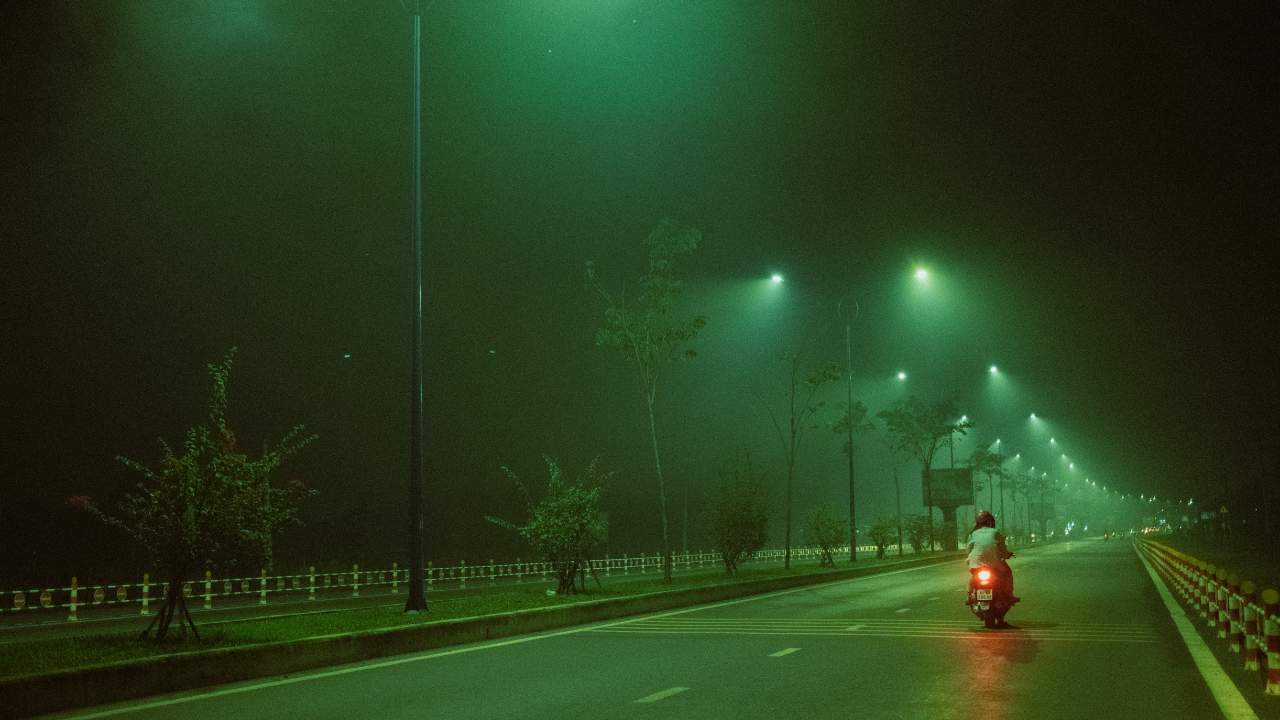
Spring often includes rain showers and mist, which reduce visibility. Lighting systems from Denali Electronics help maintain visibility in shifting light and weather conditions.
Luggage stability
Spring conditions can include wind and uneven road surfaces. Balanced luggage systems from Viking Bags help maintain bike stability during changing terrain conditions.
Mental Fatigue in Spring Touring
Spring fatigue is often subtle because conditions are not extreme for long periods — instead, they change frequently.
This creates:
- Constant small adjustments
- Decision fatigue from weather monitoring
- Shifting comfort levels throughout the day
- Reduced predictability in riding rhythm
Riders may not feel “tired” in a traditional sense but still experience reduced concentration over time.
Taking regular breaks becomes important even when conditions feel manageable.
Real-World Spring Riding Scenario
Imagine a full-day touring ride through mixed terrain in early spring.
Morning:
- Cool air, slightly damp roads
- Light traffic, calm conditions
Midday:
- Warmer temperatures
- Dry but windy sections
- Increased comfort and speed
Afternoon:
- Sudden rain showers
- Cooler air returns
- Reduced traction in shaded areas
Without preparation, this shift can feel inconsistent and draining.
With preparation:
- Layered gear adjusts temperature comfort
- Lighting improves visibility during rain
- Rider adapts pace gradually
- Breaks reset focus and comfort
The ride remains stable across changing conditions.
Common Mistakes in Spring Touring
- Dressing only for morning or midday conditions
- Ignoring wet or shaded road sections
- Overconfidence during warm periods
- Not adjusting tire grip expectations
- Skipping breaks due to “comfortable” weather
- Failing to prepare for sudden rain
Spring riding errors usually come from assuming stability where none exists.
Frequently Asked Questions
Is spring a good time for motorcycle touring?
Yes, but it requires preparation for changing conditions throughout the day.
What is the biggest risk in spring riding?
Unpredictable weather combined with inconsistent road surfaces.
Should I carry winter gear in spring?
Not full winter gear, but layered options are important for early mornings and cold regions.
How do I stay comfortable in spring touring?
Use adaptable gear, monitor weather changes, and adjust layers throughout the ride.
Conclusion
Spring motorcycle touring offers some of the most rewarding riding conditions of the year, but also some of the least predictable. Riders who succeed in spring conditions are not necessarily the most aggressive or experienced — they are the most adaptable.
By preparing for shifting temperatures, variable road conditions, and changing visibility, riders can turn spring into one of the most enjoyable touring seasons rather than a challenging one.
Consistency, flexibility, and awareness are the keys to making spring riding both safe and rewarding.