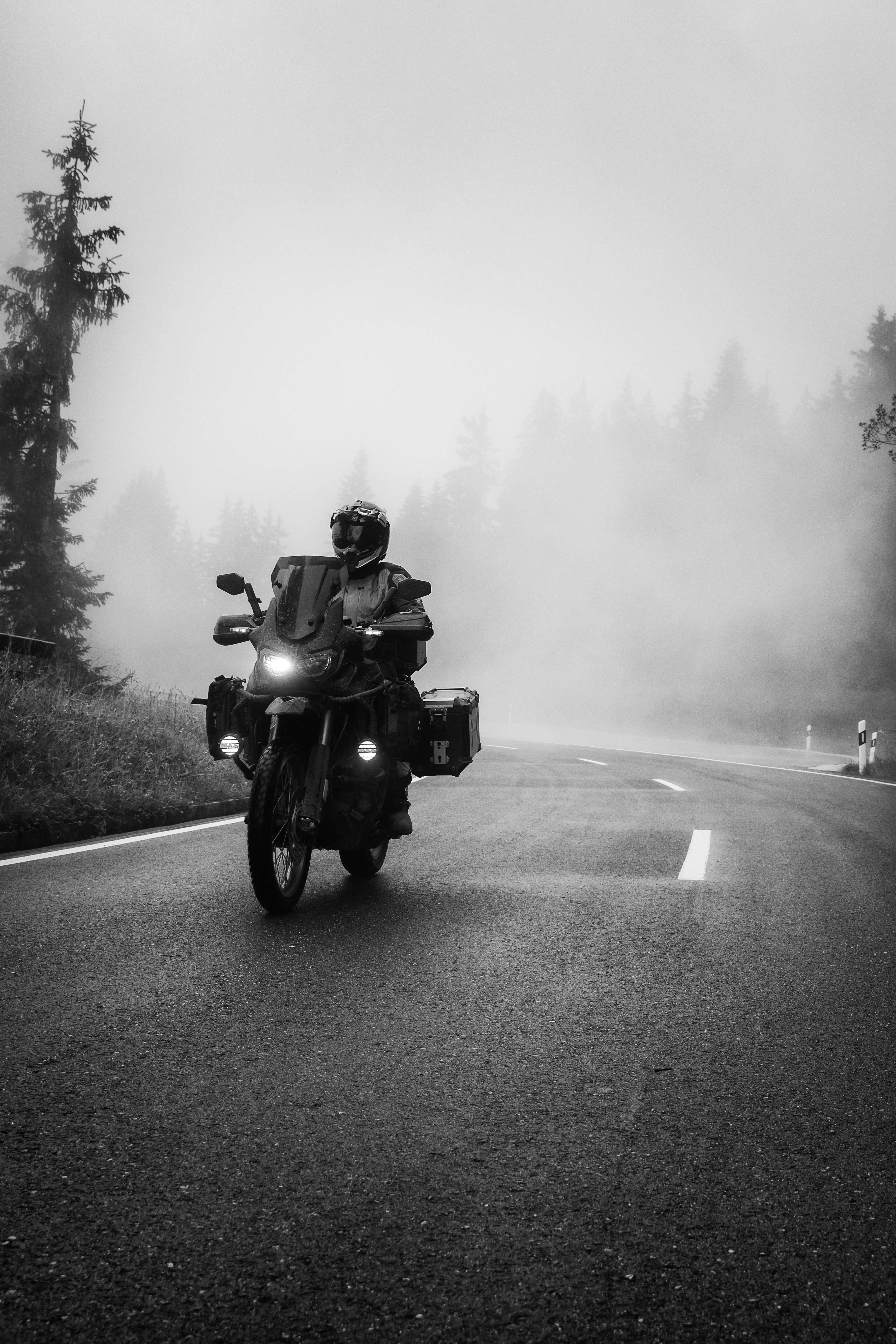
Introduction
One of the biggest mistakes touring riders make isn't choosing the wrong motorcycle. It isn't buying the wrong gear. It isn't even packing too much luggage.
It's choosing a route that doesn't match their experience level.
A route that looks incredible on a map can quickly become exhausting if it includes endless mountain switchbacks, unpredictable weather, heavy traffic, or daily mileage beyond a rider's comfort zone. Conversely, a route that's too easy may leave experienced riders feeling underwhelmed.
The best motorcycle routes strike a balance between challenge and enjoyment. They push your skills slightly without overwhelming them.
Whether you're planning your first overnight trip or your tenth cross-country adventure, understanding how to match a route to your experience level can dramatically improve safety, confidence, and overall enjoyment.
Why Route Selection Matters More Than Most Riders Realize
Many riders focus heavily on gear preparation before a trip.
They research:
- Helmets
- Luggage systems
- Communication devices
- Riding apparel
- Navigation tools
Yet the route itself often has a bigger impact on the overall experience than any piece of equipment.
A well-chosen route can:
- Build confidence
- Reduce fatigue
- Improve safety
- Create memorable riding experiences
A poorly chosen route can:
- Increase stress
- Accelerate fatigue
- Create unnecessary risk
- Turn a vacation into a survival exercise
The road you choose largely determines the experience you'll have.
Understanding Your Current Touring Experience
Before selecting a route, riders should honestly assess their current abilities.
Consider:
- Total years riding
- Highway experience
- Mountain riding experience
- Multi-day touring experience
- Comfort in varying weather conditions
- Experience with loaded motorcycles
The goal isn't to judge yourself.
It's to choose a route that matches your current skills while allowing room for growth.
Routes for New Touring Riders
For riders planning their first multi-day trip, simplicity is usually the best approach.
Look for routes that offer:
- Good road conditions
- Reliable fuel availability
- Consistent cell coverage
- Moderate daily mileage
- Predictable weather patterns
New touring riders often benefit from routes that pass through:
- Small towns
- Popular tourist regions
- Well-traveled highways
- Established scenic byways
These areas typically provide easier access to:
- Fuel
- Lodging
- Food
- Mechanical assistance
Confidence builds quickly when basic logistics remain simple.
Routes for Intermediate Touring Riders
After gaining experience with several shorter trips, riders can begin expanding their comfort zone.
Intermediate routes may include:
- Mountain roads
- Remote regions
- Longer daily distances
- Variable weather conditions
- More complex route planning
At this stage, riders often begin focusing less on simply reaching destinations and more on the quality of the roads themselves.
Scenic byways, national park routes, and lesser-known backroads often become appealing options.
Routes for Experienced Touring Riders
Experienced touring riders typically have a broader range of options available.
They may seek:
- Technical mountain riding
- Multi-state adventures
- Remote touring regions
- Extended travel periods
- Complex route combinations
However, experience does not eliminate risk.
In fact, experienced riders sometimes create problems by overestimating how much distance they can comfortably cover each day.
Even advanced riders benefit from realistic route planning.
Factors That Influence Route Difficulty
Mileage alone doesn't determine how challenging a route will be.
Several factors play major roles.
Terrain
Mountain roads require more concentration than flat highways.
A 250-mile day through mountain passes can be more demanding than a 500-mile interstate day.
Factors include:
- Constant cornering
- Elevation changes
- Reduced visibility
- Variable weather
Routes through mountain regions should be planned carefully, especially for less experienced riders.
Weather Conditions
Weather can dramatically change route difficulty.
Examples include:
- Strong winds
- Heavy rain
- Extreme heat
- Dense fog
- Sudden temperature drops
Experienced riders often build flexibility into their plans rather than committing to rigid schedules.
Traffic Levels
Heavy urban traffic increases:
- Mental fatigue
- Stress
- Fuel consumption
- Decision-making demands
A scenic rural route may actually be easier and more enjoyable than a shorter route through congested metropolitan areas.
Road Surface Quality
Not all paved roads are equal.
Poor surfaces may include:
- Potholes
- Loose gravel
- Uneven pavement
- Construction zones
Researching road conditions beforehand can prevent unpleasant surprises.
Matching Daily Mileage to Experience
One of the most common touring mistakes involves unrealistic daily mileage goals.
New Touring Riders
Consider:
- Shorter riding days
- Frequent stops
- Conservative schedules
The goal is learning how your body responds to touring.
Intermediate Riders
Many riders begin increasing mileage once they understand:
- Their comfort limits
- Fatigue patterns
- Preferred riding pace
This allows for longer days without unnecessary stress.
Experienced Riders
Experienced riders often have greater endurance, but even they benefit from balancing mileage with enjoyment.
The best touring days often leave enough time to explore destinations rather than simply arrive exhausted.
Planning Around Fuel Availability
Fuel planning becomes increasingly important as routes become more remote.
Before committing to a route, consider:
- Gas station frequency
- Fuel range of your motorcycle
- Seasonal closures
- Holiday operating hours
Remote roads can be beautiful, but they require preparation.
Experienced touring riders rarely assume fuel will be available exactly when needed.
Route Planning Technology
Modern riders have access to tools previous generations could only dream about.
Useful tools include:
- GPS navigation systems
- Route-planning apps
- Weather forecasting apps
- Offline maps
Communication systems from Cardo Systems can also simplify navigation during group rides and longer tours by reducing the need for frequent stops to discuss directions.
Technology should support good planning, not replace it.
Comfort Matters More Than Riders Think
Route planning isn't only about roads.
It's also about how your body handles the journey.
Longer routes place greater demands on:
- Seating comfort
- Riding posture
- Wind management
- Luggage organization
Touring equipment from brands such as Viking Bags and touring accessories available through retailers like RevZilla can help riders prepare for extended travel, but no accessory can fully compensate for a poorly planned route.
Comfort and route selection work together.
Advice from Experienced Touring Riders
Many experienced riders eventually discover a simple truth:
The most memorable routes are not always the most difficult.
They often prioritize:
- Scenic quality
- Enjoyable roads
- Reasonable daily distances
- Interesting stops
- Flexibility
The best route is rarely the one that covers the most miles.
It's the one that allows you to enjoy the journey.
Frequently Asked Questions
How long should my first motorcycle tour be?
Many riders find that a weekend or three-day trip provides enough experience without becoming overwhelming.
Are mountain roads suitable for beginners?
Some are, but riders should research road difficulty, weather conditions, and elevation changes beforehand.
How many miles should I ride per day?
The answer varies based on experience, road type, weather, and personal comfort. Quality of riding is usually more important than total mileage.
Should I use GPS or paper maps?
Many riders use both. GPS offers convenience while maps provide broader route awareness and backup planning.
Is it better to ride popular routes or less-traveled roads?
Both have advantages. Popular routes often offer better services, while lesser-known roads may provide more solitude and unique scenery.
Related Tools and Resources
Riders planning routes may also benefit from:
- Motorcycle communication systems
- Touring luggage solutions
- Weather planning tools
- Route-specific travel guides
- Motorcycle packing resources
- Long-distance comfort upgrades
- Emergency preparedness equipment
These resources can help riders create safer and more enjoyable touring experiences.
Conclusion
Choosing the right motorcycle route isn't about finding the most famous road or the most challenging terrain. It's about matching the route to your current skills, experience, comfort level, and travel goals.
A route that aligns with your abilities allows you to focus on what makes motorcycle touring special: the scenery, the roads, the destinations, and the journey itself.
As experience grows, route options naturally expand. But regardless of skill level, thoughtful route planning remains one of the most valuable tools a touring rider can develop.