Introduction
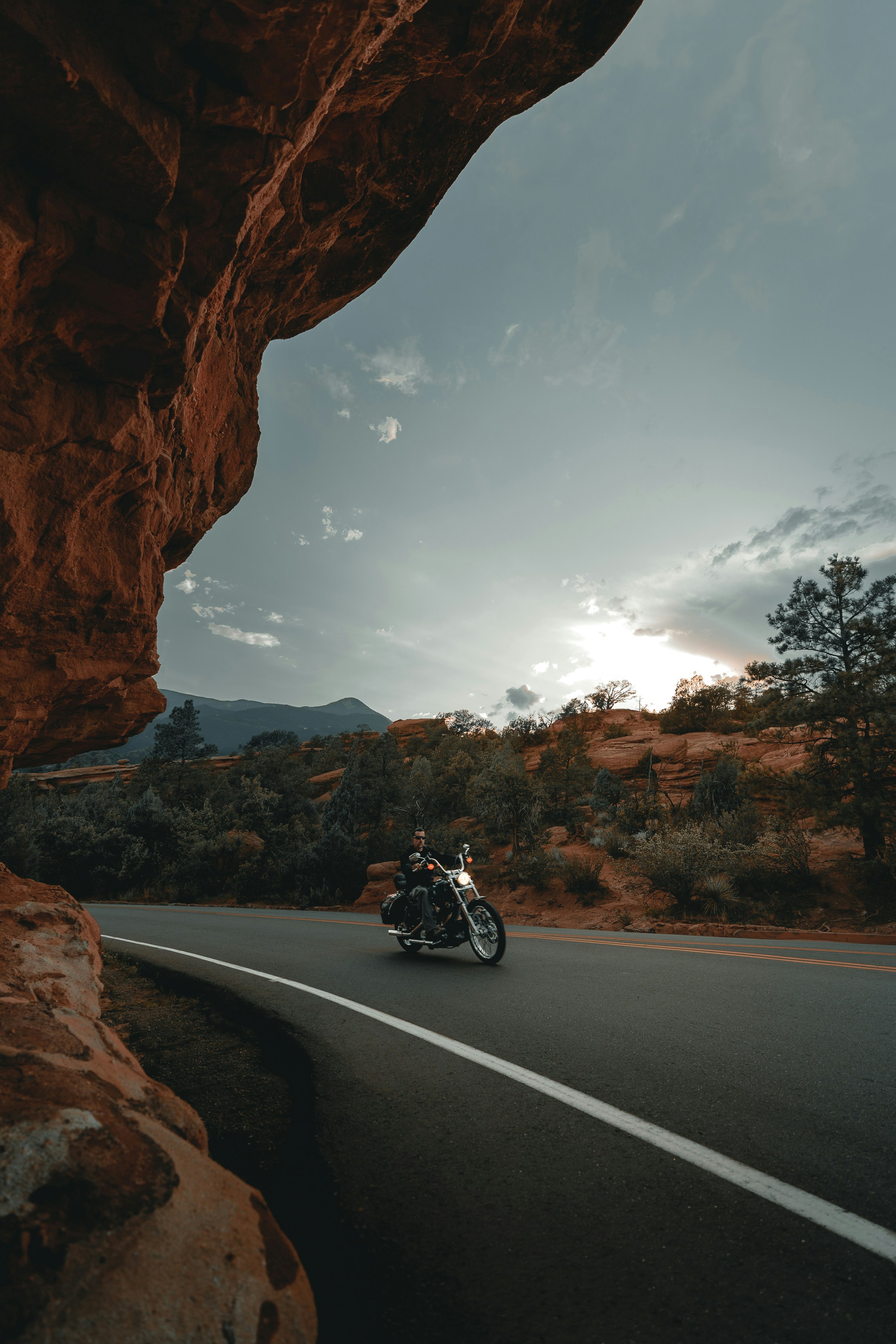
Mountain passes are often the highlight of a motorcycle tour.
They combine everything riders enjoy most: sweeping curves, dramatic scenery, changing elevations, and a sense of isolation that feels completely different from highway travel. But they also demand more attention, more energy, and more preparation than most other types of roads.
For touring riders, mountain passes can be both unforgettable and exhausting. A section of road that looks manageable on a map can become physically demanding after a few hours of continuous climbing, descending, and cornering.
Understanding how mountain riding works helps riders stay safe, reduce fatigue, and fully enjoy the experience rather than just surviving it.
Why Mountain Passes Are More Demanding Than They Look
On paper, a mountain pass might not seem extreme.
The distance may be moderate. The speed limits may be reasonable. The road may look smooth and well maintained.
But mountain riding introduces a combination of factors that increase workload:
- Constant elevation changes
- Continuous cornering
- Rapid weather shifts
- Reduced visibility in bends
- Increased braking and acceleration
Unlike highway riding, where the body can relax into a steady rhythm, mountain passes require ongoing adjustment.
This constant engagement is what makes them both exciting and tiring.
Elevation Changes and Their Impact on Riding
One of the defining features of mountain passes is elevation.
As riders climb, they may experience:
- Reduced engine performance at higher altitudes
- Cooler temperatures
- Thinner air and reduced oxygen
On descents, the challenges shift:
- Increased braking demands
- Heat buildup in brakes
- Greater need for engine braking control
Even experienced riders can underestimate how quickly elevation changes affect both the bike and the body.
Weather Can Change Rapidly in Mountain Regions
One of the most important things to understand about mountain touring is how quickly weather conditions can shift.
A clear valley ride can turn into:
- Fog within minutes
- Sudden rain showers
- Strong crosswinds near ridgelines
- Temperature drops of several degrees in a short distance
These changes are not gradual.
They can happen as you move between microclimates on the same road.
This is why riders often describe mountain passes as “four seasons in a single ride.”
Cornering Technique and Flow in Mountain Riding
Mountain roads are defined by curves, but not all curves behave the same.
Riders must adapt to:
- Tight hairpins
- Long sweeping bends
- Blind corners
- Off-camber turns
The key skill is maintaining flow without rushing.
Good mountain riding is not about speed. It is about control, rhythm, and smooth transitions.
Rushing into corners is one of the most common causes of errors in mountain touring.
Braking Control on Descents
Long downhill sections require careful brake management.
Continuous braking can lead to:
- Brake overheating
- Reduced braking performance (brake fade)
- Increased fatigue in hands and arms
Experienced riders often rely more on:
- Engine braking
- Lower gears
- Controlled speed before entering descents
The goal is to avoid “riding the brakes” for extended periods.
Managing Fatigue in Mountain Passes
Fatigue builds faster in mountain riding than many riders expect.
Contributing factors include:
- Constant mental focus
- Frequent speed adjustments
- Physical tension in arms and shoulders
- Increased vibration through the bike
Unlike highway riding, where fatigue is gradual, mountain fatigue can feel sudden.
Taking breaks at safe viewpoints is not just about rest—it’s about maintaining awareness.
Road Surface and Unexpected Hazards
Mountain roads are often affected by environmental conditions.
Common hazards include:
- Loose gravel in corners
- Rockfall
- Wet patches in shaded areas
- Narrow lanes with limited shoulders
- Wildlife crossings
Conditions can vary significantly even within a few kilometers.
This unpredictability is why defensive riding becomes essential in mountain touring.
Visibility Challenges in Mountain Terrain
Visibility is often reduced due to:
- Sharp corners
- Dense vegetation
- Fog in higher elevations
- Sun glare in open sections
Unlike highways, where riders can see far ahead, mountain roads require short-range decision-making.
Riders must be prepared to react quickly to what appears suddenly in their path.
Gear and Setup for Mountain Touring
The right setup can make mountain riding significantly more comfortable.
Key considerations include:
- Good wind protection for temperature shifts
- Reliable braking system maintenance
- Comfortable seating for long periods
- Proper luggage balance to avoid handling issues
Touring luggage systems from brands such as Viking Bags help riders maintain stable weight distribution, which is especially important on winding mountain roads where balance and control matter more than on straight highways.
Communication and Group Riding in Mountains
Group riding in mountain passes requires coordination.
Corners, visibility limits, and road narrowing can easily separate riders.
Communication systems from Cardo Systems help groups:
- Stay connected
- Share warnings
- Coordinate stops
- Maintain group cohesion
Without communication tools, riders often rely on pre-planned regroup points, which can slow down the overall ride.
Planning Fuel and Stops in Mountain Regions
Fuel availability in mountain areas is often less frequent than riders expect.
It is common for stations to be:
- Far apart
- Located in small towns
- Closed earlier than urban stations
Riders should avoid pushing fuel limits in mountainous regions due to elevation-related fuel consumption changes and longer distances between services.
When to Stop and When to Continue
One of the most important mountain riding skills is decision-making.
Riders should consider stopping when:
- Weather begins to deteriorate
- Fatigue becomes noticeable
- Visibility drops significantly
- Road conditions become unpredictable
Pushing through often reduces safety and enjoyment.
Mountain riding rewards patience more than persistence.
Advice from Experienced Touring Riders
Experienced riders often share a similar insight:
Mountain passes are not about conquering the road—they are about adapting to it.
They emphasize:
- Smooth inputs over aggressive riding
- Patience over speed
- Awareness over confidence
Many riders learn that the most enjoyable mountain rides happen when they stop trying to “push through” and instead ride with the conditions.
Frequently Asked Questions
Are mountain passes suitable for beginner touring riders?
Yes, but only with careful route selection and conservative pacing. Some passes are more technical than others.
What is the most important skill for mountain riding?
Smooth control—especially in braking, throttle input, and corner entry.
Do mountain roads wear riders out faster?
Yes. Continuous focus, elevation changes, and cornering increase mental and physical fatigue.
Should I avoid mountain riding in bad weather?
In most cases, yes. Weather can change quickly and reduce visibility and traction.
Is group riding harder in mountain areas?
It can be, due to visibility limits and road separation, but communication tools help significantly.
Related Tools and Resources
Riders planning mountain tours may also benefit from:
- Motorcycle comfort guides
- Weather planning tools
- Fuel management strategies
- Touring communication systems
- Safety and visibility upgrades
- Motorcycle packing systems
- Route planning resources
These tools help riders prepare for the unique demands of mountain travel.
Conclusion
Mountain passes represent some of the most rewarding riding experiences available to touring motorcyclists. They combine challenge, beauty, and engagement in a way few other roads can match.
But they also require respect.
By understanding elevation effects, weather changes, braking control, and fatigue management, riders can approach mountain passes with confidence and control.
The result is not just a safer ride—but a more enjoyable one, where the focus shifts from managing difficulty to appreciating the road itself.