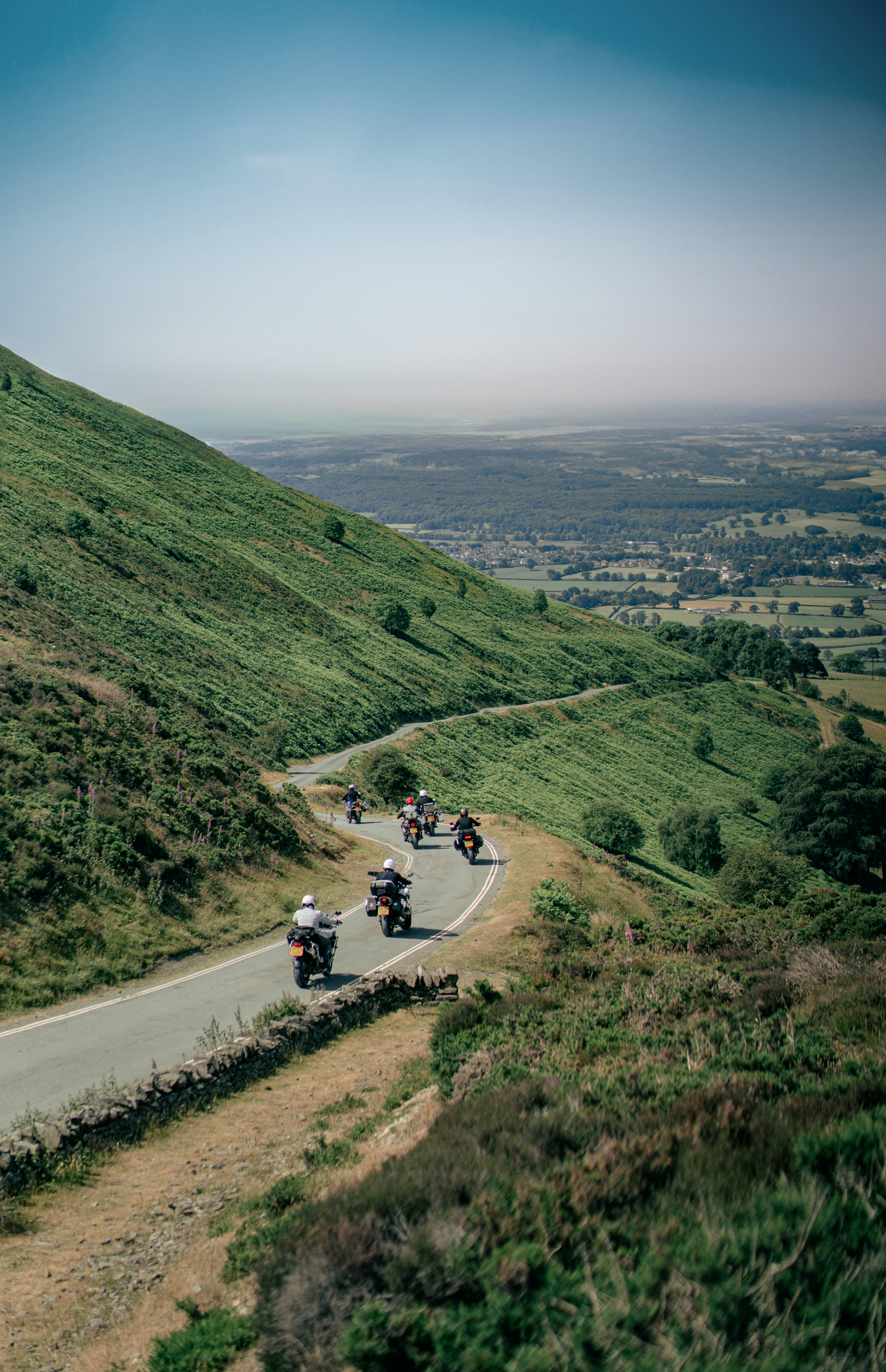
Introduction
Ask a group of riders what the “best motorcycle road” is, and you’ll get very different answers.
Some will talk about tight mountain switchbacks. Others will prefer long coastal highways. Some riders value smooth, empty highways where they can relax and cover distance efficiently. Others want technical roads that demand focus and skill.
The truth is that a great motorcycle road isn’t defined by a single feature. It’s a combination of elements that work together to create an experience—one that feels smooth, engaging, safe, and memorable at the same time.
For touring riders, this balance matters even more. A road that is exciting for 30 minutes might become exhausting over several hours. A road that is simple and flat might become boring over a full day of riding.
Understanding what makes a road “great” helps riders choose better routes, avoid fatigue, and enjoy long-distance travel more consistently.
The Role of Flow in a Motorcycle Road
One of the most important qualities of a great riding road is flow.
Flow refers to how naturally a rider can move through a road without constant disruption.
A road with good flow allows you to:
- Maintain a steady rhythm
- Anticipate curves
- Adjust speed smoothly
- Ride without constant braking and acceleration
Poor flow, on the other hand, creates:
- Sudden stops
- Sharp interruptions
- Unpredictable changes in direction
- Frequent speed adjustments
Touring riders often prefer roads that feel smooth and continuous rather than chaotic or overly technical.
Flow reduces fatigue because it allows the rider to settle into a rhythm instead of constantly reacting.
Road Surface Quality
Even the most scenic route can become unpleasant if the road surface is poor.
Surface quality affects:
- Comfort
- Tire grip
- Fatigue levels
- Safety margins
A great motorcycle road typically has:
- Smooth pavement
- Minimal potholes
- Clear lane markings
- Well-maintained shoulders
Poor road surfaces require constant attention, which increases mental fatigue over long distances.
For touring riders, a slightly less scenic road with better pavement is often the better choice.
Curves and Cornering Balance
Curves are often what riders think of first when imagining a great motorcycle road.
However, not all curves are equal.
A great riding road usually has:
- Predictable curve patterns
- Gradual transitions
- Balanced mix of straight and curved sections
Too many tight corners can become exhausting over time. Too few can make the ride feel dull.
The best roads offer variation without unpredictability.
This balance allows riders to stay engaged without becoming overwhelmed.
Traffic Levels and Riding Experience
Traffic has a major impact on how enjoyable a road feels.
Even a beautiful road can become frustrating if it is congested.
Light traffic allows riders to:
- Maintain steady speed
- Choose better lines through curves
- Relax mentally
- Focus on scenery
Heavy traffic introduces:
- Constant braking
- Limited visibility
- Increased stress
- Reduced enjoyment
For touring riders, the timing of a ride can matter just as much as the road itself. Early mornings or off-peak travel often transform an average road into a great one.
Scenery and Environmental Experience
Scenery plays a major role in how riders remember a road.
Great motorcycle roads often pass through environments such as:
- Coastlines
- Mountain ranges
- Forests
- Countryside valleys
- Open plains
However, scenery alone is not enough.
A visually stunning road with poor surface quality or heavy traffic may still feel unpleasant.
The best roads combine visual appeal with riding comfort, creating an experience that is both enjoyable and manageable over distance.
Elevation and Terrain Changes
Elevation changes add depth to a riding experience.
Climbing and descending roads introduce:
- Shifts in engine load
- Changes in temperature
- Varying visibility
- Different riding rhythms
Mountain roads often feel more engaging because they require continuous adaptation.
However, for long-distance touring, excessive elevation changes can increase fatigue.
The best touring roads include elevation variation without becoming overly demanding for extended periods.
Safety and Predictability
A great motorcycle road doesn’t need to be easy—but it should be predictable.
Predictability means:
- Clear visibility around corners
- Well-marked lanes
- Reasonable speed transitions
- Limited unexpected hazards
Riders can enjoy more challenging roads when they trust what comes next.
Unpredictable roads require constant defensive riding, which reduces enjoyment over time.
Safety and enjoyment are closely connected in touring.
The Importance of Road Length and Continuity
Short, exciting roads can be fun, but touring riders need continuity.
A great touring road often provides:
- Extended riding segments
- Consistent conditions
- Logical transitions between sections
Constant interruptions—such as towns, stoplights, or construction zones—can break immersion and increase fatigue.
Long, uninterrupted stretches allow riders to settle into a rhythm, which is essential for multi-hour riding days.
Weather and Seasonal Impact
A road’s quality can change dramatically depending on weather conditions.
Factors include:
- Rain and reduced grip
- Fog and visibility loss
- Wind exposure in open areas
- Seasonal closures in mountain regions
A road that is enjoyable in summer may become challenging in early spring or late fall.
Touring riders should always consider seasonal conditions when evaluating routes.
How a Great Road Feels to Ride
Beyond technical features, there is also a subjective element.
A great motorcycle road often feels:
- Smooth but engaging
- Predictable but not boring
- Challenging but not overwhelming
- Scenic but not distracting
It creates a sense of flow where the rider feels connected to both the machine and the environment.
This feeling is often what riders remember most after a trip.
Matching Roads to Touring Goals
Not every road needs to be “perfect” in every category.
Different touring goals call for different road types.
Relaxed Touring
- Smooth highways
- Light traffic
- Gentle curves
- Predictable conditions
Scenic Touring
- Coastal roads
- Mountain passes
- Regional byways
- Balanced pace
Skill-Focused Riding
- Technical mountain roads
- Tight corner sequences
- Elevation changes
- More demanding surfaces
The key is choosing roads that match your energy, experience, and trip purpose.
Common Mistakes Riders Make When Choosing Roads
Some common errors include:
- Choosing roads based only on popularity
- Overestimating how long technical roads take
- Ignoring traffic conditions
- Underestimating fatigue from repeated curves
- Prioritizing scenery over safety or comfort
The most enjoyable routes are usually the ones that balance multiple factors rather than maximizing a single one.
Frequently Asked Questions
Is the most famous motorcycle road always the best?
Not necessarily. Popular roads can be crowded, which reduces enjoyment for touring riders.
Are twisty roads better than highways?
It depends on the rider and the trip. Twisties are engaging but can be tiring over long distances.
What is more important: scenery or road quality?
For touring, road quality often matters more because it directly affects comfort and fatigue.
Can a highway be a great motorcycle road?
Yes. Smooth, open highways can provide excellent touring experiences, especially over long distances.
How do I find good motorcycle roads?
Many riders use a combination of route planning tools, rider forums, and experience-based recommendations.
Related Tools and Resources
Riders exploring motorcycle roads may also benefit from:
- Route planning guides
- Touring comfort resources
- Weather forecasting tools
- Motorcycle navigation systems
- Long-distance packing strategies
- Safety and visibility upgrades
- Fuel planning guides
These tools help riders make better decisions before and during a trip.
Conclusion
A great motorcycle road is not defined by a single feature. It is the result of balance—between flow, surface quality, scenery, traffic, and predictability.
For touring riders, the best roads are the ones that allow them to enjoy the journey without excessive fatigue or stress. Sometimes that means choosing challenging mountain routes. Other times it means selecting quiet highways that allow steady, comfortable progress.
The more experience a rider gains, the better they become at recognizing this balance—and the more rewarding every ride becomes.